
Original briefings. Zero spin.
Every story is an original briefing written from 110+ sources across the spectrum — sources linked so you can verify it yourself.
 politics
Breaking / Critical (9/10)
September 2, 2026 at 12:27 PM
politics
Breaking / Critical (9/10)
September 2, 2026 at 12:27 PM
Trump Aides Push to Keep Iran War 'Quiet' Until Midterms as Strikes Resume, Approval Falls to 33%
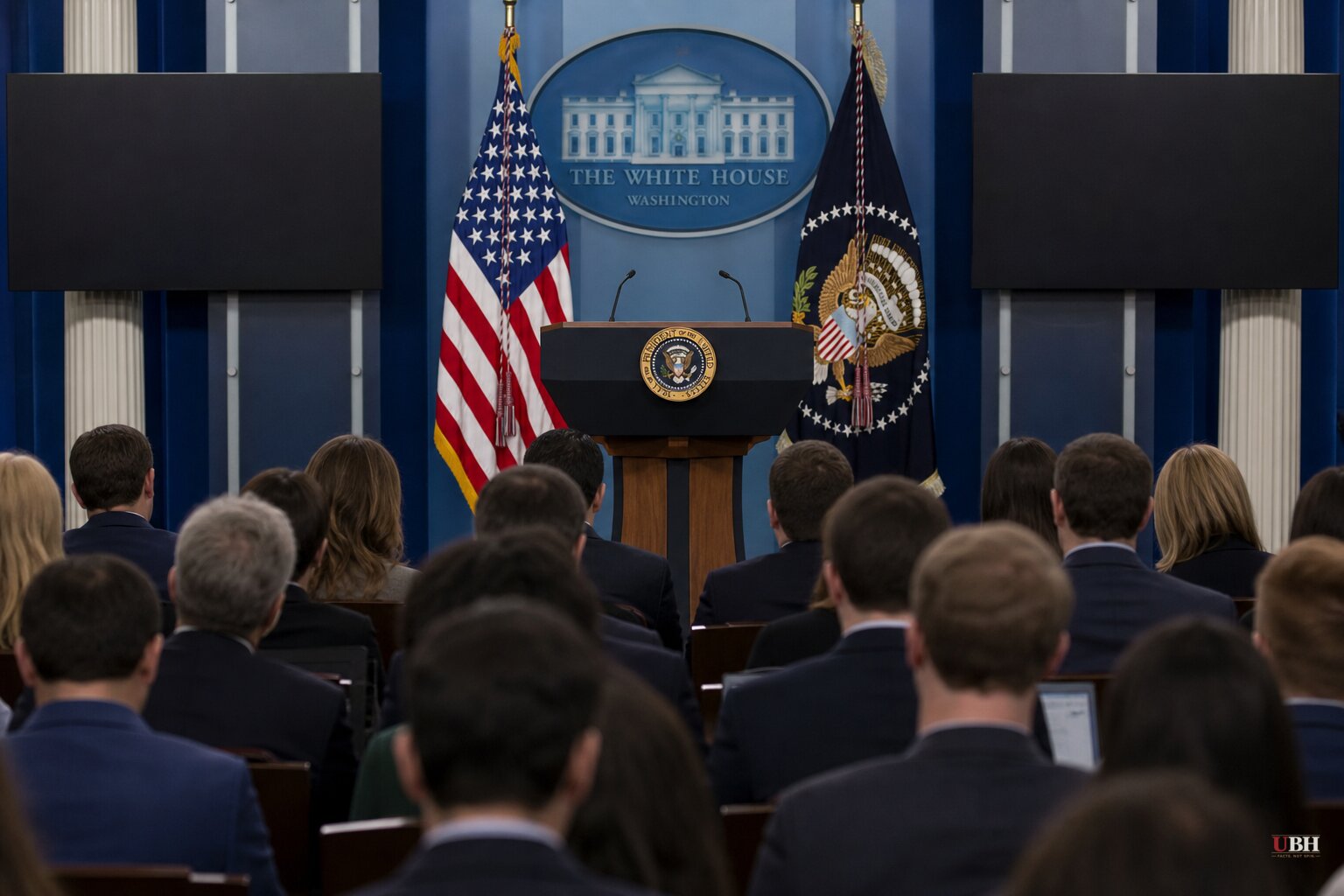
Since the U.S. and Iran resumed trading strikes this week after roughly a month of relative calm, Reuters reports that senior Trump aides are actively trying to keep the conflict contained until after November's midterms, worried it could sink Republican majorities in Congress.
Four people familiar with internal discussions, three of them White House officials, told Reuters the administration is leaning on economic pressure rather than renewed military escalation for now, hoping sanctions can extract concessions that months of direct strikes haven't produced. "We are keeping the pressure on Iran," one White House official told Reuters. "But November is a priority."
The sources said White House officials will consider ramping up military action after the November 3 vote, though Reuters notes any return to full-scale conflict is far from certain. No administration official has publicly confirmed on the record that electoral timing is driving military decisions; the characterization comes entirely from anonymous sources describing internal deliberations.
The numbers behind the pressure
The political math is blunt. A late-August Reuters/Ipsos poll found just 31% of Americans approve of the war, versus 63% who disapprove. High gas prices are compounding the discontent. Trump's own approval rating has slid from 40% to 33% since the conflict began, according to Reuters/Ipsos polling cited in the report.
Republicans are defending narrow majorities in both the House and Senate. A war that dominates the news through Election Day is the last thing GOP strategists want on the ballot, according to the sources describing the internal debate.
Reality isn't cooperating
The contain-it-until-November plan is already straining. Over the weekend, U.S. forces struck rocket launchers on Iran's Larak Island, ending roughly a month of quiet, and Iran responded by firing missiles toward Jordan and the United Arab Emirates. On Tuesday, U.S. forces hit more Iranian targets around the Strait of Hormuz, in what the Times of India described as the largest exchange between Washington and Tehran since July.
Barbara Leaf, who served as the State Department's top Middle East official under President Joe Biden, told Reuters the calm the administration is trying to preserve isn't real to begin with. "The regime has every incentive to disrupt the 'calm'," Leaf said, "which is no real calm, after all, since the administration's explicit aim is to increase economic pressure massively on Iran." Leaf's read comes from a former official of the opposing party's administration and should be weighed as such, but her underlying point, that sanctions pressure and calm coexistence are in tension, isn't disputed by any other source in the reporting.
Analysts cited by Reuters expect Iran to keep hitting U.S. and allied Gulf targets periodically, including bases, ships and energy infrastructure, given months of disrupting Strait of Hormuz traffic with little domestic blowback. Each Iranian strike puts pressure on Washington to hit back, and Reuters' sources warn that cycle could drag both countries into a full-scale air war regardless of what the White House wants.
A legitimate objection, from more than one direction
There's a fair critique buried in all this, and it cuts two ways. Antiwar critics can reasonably ask whether managing a war's visibility for an election calendar, rather than resolving it, is itself the problem, since it means the underlying conflict continues either way, just with less media attention. Hawks can just as reasonably argue that signaling restraint until a fixed date, November 3, tells Tehran exactly when Washington's guard might come down, and that Iran has already shown it will test that restraint with strikes on Larak Island and missiles toward Jordan and the UAE. Neither concern is resolved by the reporting. Both are consistent with what the sources describe.
There's also a practical constraint working in the administration's favor for restraint, whether or not politics is the primary driver. Reuters' sources say a tactical pause would give the U.S. military time to replenish munitions stockpiles that months of strikes have heavily depleted. That's a military logistics argument independent of any electoral calculus, and it may be doing more work than the political framing suggests.
The Straits Times' coverage adds one detail others didn't emphasize as clearly: the economic-isolation half of the strategy has had limited effect so far because it lacks full global buy-in, particularly from China. That complicates the administration's bet that sanctions alone can produce concessions where months of strikes haven't.
None of the eight named sources in this reporting, and no Reuters source, states definitively whether the administration will actually escalate after November 3 or continue the current posture indefinitely. That decision, and whether Iran's periodic strikes force Washington's hand before the ballots are even counted, remains the open question hanging over the next nine weeks.
Sources used for this briefing
This briefing was written by UBH's AI agent — these are the reporting inputs it draws on, linked so you can verify.


