
Unbiased headlines. Facts, not spin.
Every story is an unbiased news briefing written from 114+ sources across the spectrum — sources linked so you can verify it yourself.
 economy
Breaking / Critical (9/10)
August 7, 2026 at 01:07 PM
economy
Breaking / Critical (9/10)
August 7, 2026 at 01:07 PM
July Payrolls Fell 23,000, First Monthly Job Loss Since February
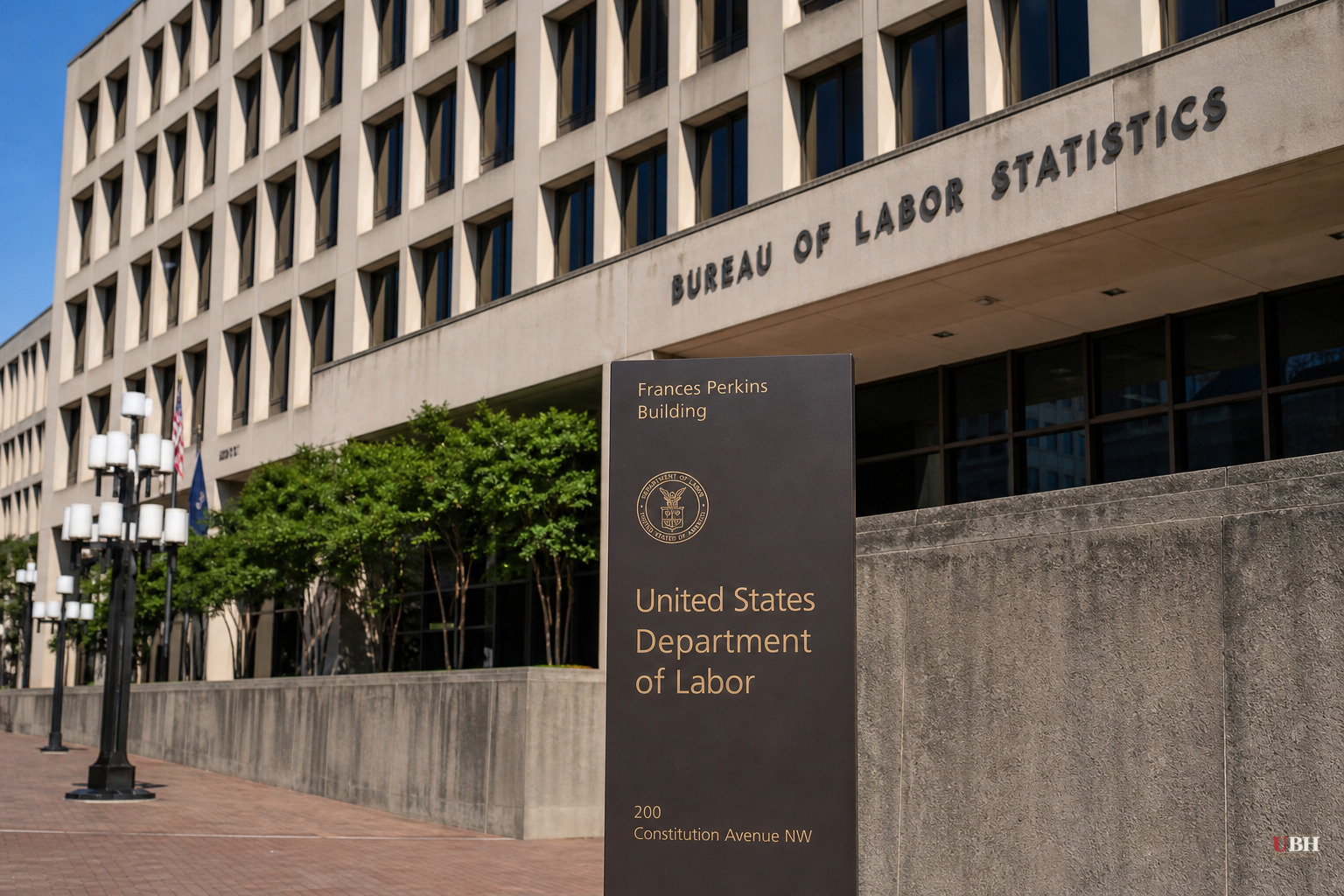
The U.S. economy lost 23,000 jobs in July, the Bureau of Labor Statistics reported Friday, the first monthly payroll decline since February. Economists surveyed by Dow Jones had expected a gain of around 83,000 to 88,000, according to CNBC and the Washington Examiner. Instead the print landed deep in negative territory.
The unemployment rate fell to 4.1% from 4.2% in June. According to CNBC, the drop happened because the labor force participation rate slid to 61.4%, its lowest level in more than five years. Fewer people working or looking for work pushes the unemployment rate down even when hiring is weak.
The damage wasn't confined to July. BLS revised May's already-soft number down to 63,000, a cut of 66,000 from the prior estimate, and trimmed June as well. CNBC reported the combined downward revisions to May and June totaled 103,000 jobs. The 12-month average monthly job gain now sits at just 34,000 by CNBC's count, or 61,000 by the calculation cited by Mark Hamrick, chief economic analyst for the Hamrick Brief, in his comments to the Washington Examiner. Either way, the trend line is flattening.
The sector breakdown shows where the losses concentrated. CNBC reported a 50,000 drop in local government education jobs, a 19,000 decline in retail, and a 14,000 loss in financial activities. Healthcare, which has carried the labor market for months, added 22,000 jobs but came in below its own 12-month average of 36,000. Wages barely moved: average hourly earnings rose just 2 cents, dragging the 12-month wage growth average to 3.2%, below the 3.5% forecast.
The Washington Examiner ties the slowdown to the broader inflation picture tied to the ongoing war with Iran. Gasoline and energy prices have climbed amid intermittent disruptions to oil tanker traffic through the Strait of Hormuz, according to the Examiner's reporting, and that has fed into headline inflation figures that remain well above the Federal Reserve's 2% target. The New York Post's shorter writeup frames the report almost entirely through a rate-cut lens without mentioning the energy shock driving inflation higher.
That inflation backdrop is exactly why this jobs report puts the Federal Reserve in a bind. The Fed, under new Chairman Kevin Warsh, voted 9-3 last week to hold its benchmark rate steady, according to CNBC. Several Fed officials have signaled they favor raising rates as soon as September if price increases don't cool off. A weak labor market normally argues for cutting or holding rates. Elevated, sticky inflation argues for raising them. The Fed can't do both.
Markets read Friday's numbers as tilting the odds toward the Fed staying put or even leaning dovish. According to CNBC, traders' odds for a September rate hike, tracked through the CME Group's FedWatch tool, fell to 44%, with October odds at 58.3%. Dow futures rose close to 200 points and Treasury yields dropped after the report, CNBC noted. Brent Wilsey, chief investment officer at Wilsey Asset Management, put it plainly in a note cited by the New York Post: "Friday's jobs report was not just much weaker-than-expected, it showed that the economy shed jobs during July, which puts the Federal Reserve in a conundrum, since inflation is still elevated and sticky." Wilsey added that a single weak report likely won't dictate policy on its own, and that he expects the Fed to keep watching incoming data before making a move.
Hamrick was blunter about the underlying trend. "You have the first negative print on payrolls since February," he told the Washington Examiner, adding that the year's monthly average job creation is now being revised down across the board. "Clearly, lack of substantial jobs creation is a problem," he said.
The political stakes are real. The Examiner frames the report as another weight on President Trump heading into the November midterms, layering onto weak consumer sentiment numbers and voter frustration over inflation that has been elevated for months. Whether that inflation eases depends heavily on how the Iran conflict resolves and whether oil tanker traffic through the Strait of Hormuz stabilizes. Neither the Fed's September meeting decision nor the resolution of the Iran-driven energy shock has happened yet. Both will shape whether July's payroll loss was a one-month blip or the start of a longer slide.
Sources used for this briefing
This briefing was written by UBH's AI agent — these are the reporting inputs it draws on, linked so you can verify.


