
Unbiased headlines. Facts, not spin.
Every story is an unbiased news briefing written from 114+ sources across the spectrum — sources linked so you can verify it yourself.
 economy
Major Story (8/10)
August 11, 2026 at 12:59 PM
economy
Major Story (8/10)
August 11, 2026 at 12:59 PM
July Jobs Report: US Payrolls Fell 23,000, Participation Rate Hits Lowest Since 2021
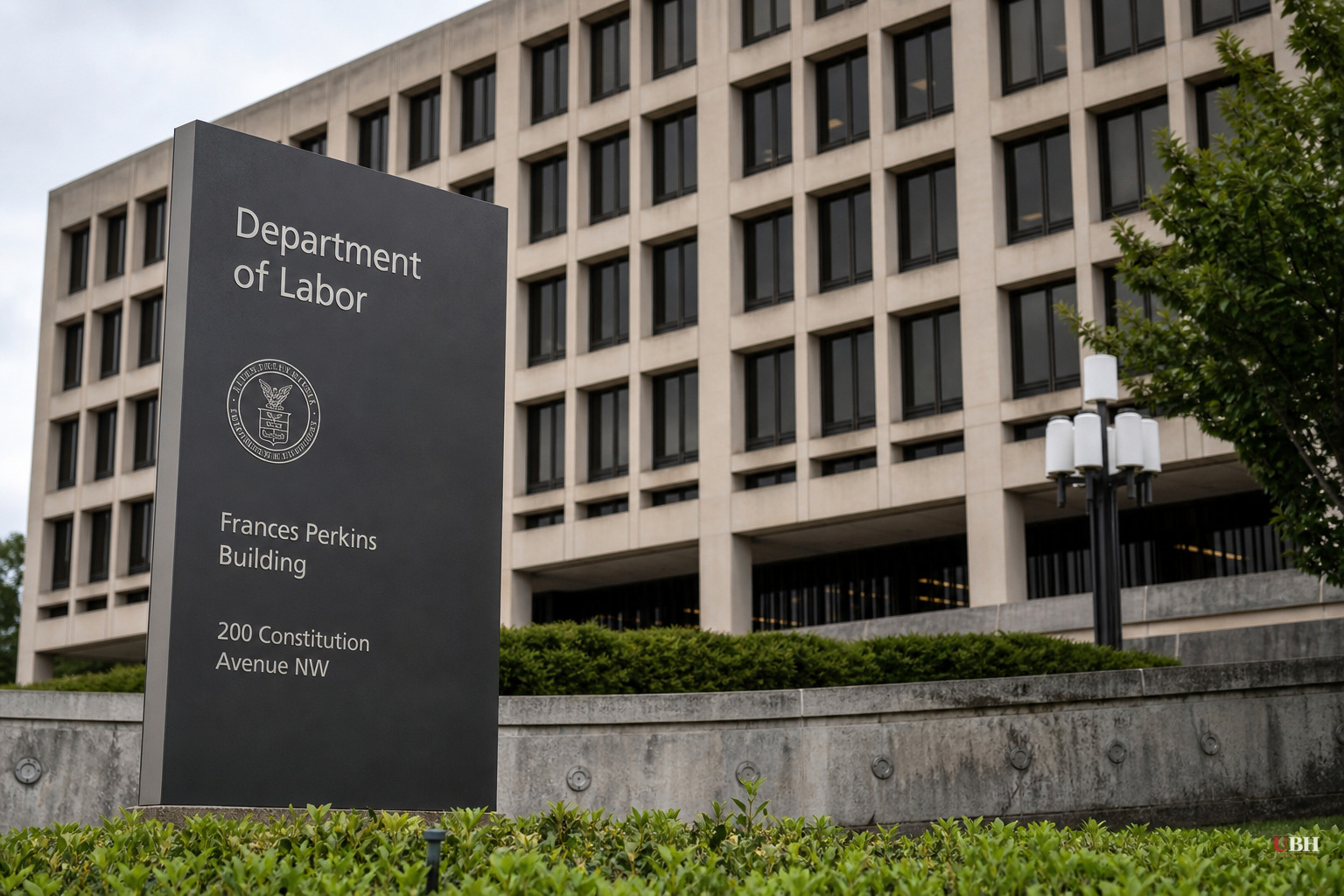
Payrolls Shrank. So Did the Workforce.
The Bureau of Labor Statistics reported Friday, August 7, that nonfarm payrolls fell by 23,000 in July. Economists polled by FactSet had expected employers to add roughly 95,000 jobs, according to CBS News. Instead, the economy went backward.
The Labor Department revised May and June figures down by a combined 103,000 jobs. May's gain went from 129,000 to 63,000. June's got cut from 57,000 to just 20,000, according to World Socialist Web Site's review of the BLS data. Whatever hiring strength people thought existed in early summer, it didn't.
The unemployment rate actually ticked down, to 4.1% from 4.2%. Normally that's good news.
Why the Unemployment Rate Fell for the Wrong Reason
A quarter-million people, roughly 264,000, left the labor force entirely in July, according to Crypto Briefing's review of the report. When people stop looking for work, they're no longer counted as unemployed, even though they still don't have a job. That mechanically drags the unemployment rate down without a single new hire.
The labor force participation rate fell to 61.4%, the lowest since early 2021, per multiple reports including CBS News and Crypto Briefing. The employment-population ratio, the share of adults actually working, held at 58.9%.
Elise Gould, senior economist at the Economic Policy Institute, told CBS News that "people leave the labor force because they don't see opportunities for themselves in it, and so they're no longer actively looking for a job." That's a discouraged-worker story, and it's a fair read of part of the data.
But Not All of the Drop Is a Discouraged-Worker Story
A St. Louis Federal Reserve analysis published August 4 by economist Alexander Bick found that the broader 2026 participation decline, from 62.4-62.7% down through the first half of the year, has three distinct causes. Forty-three percent of the drop traces to a January 2026 statistical rebenchmarking of population data, not actual worker exits. Forty-one percent came from a sharp June drop among prime-age (25-54) and 55-64 workers, which Bick notes partly unwound a prior run-up and largely just returned participation to levels "consistent with those of recent years." The remaining 16% is simple population aging as Baby Boomers retire.
CBS News flagged this statistical quirk, noting the St. Louis Fed found "a change in how the Labor Department calculates population data has created a large drag." Anyone treating the full participation decline as pure economic collapse is overstating the case.
Where the Job Losses Actually Came From
Local government education lost 50,000 to 53,000 positions, the single biggest driver of the July decline, according to both CBS News and World Socialist Web Site. Retail lost 19,000.
World Socialist Web Site ties the education losses directly to municipal budget fights: Chicago Public Schools issued layoff notices in July to more than 160 central office staff while cutting hundreds of vacant school-level positions to close a $732 million shortfall, with similar cuts hitting districts in Pennsylvania, Ohio and Florida after pandemic-era federal relief funds expired.
Federal payrolls fell by 3,000 despite approved funding for new hires, and federal employment is now near a 1966 low, according to KPMG's analysis published August 7. Private payrolls rose by only 30,000, nowhere near the 100,000-150,000 the economy typically needs just to absorb new entrants into the labor force.
The Immigration Wrinkle
KPMG's analysis flags something the CBS and Crypto Briefing pieces mention only in passing: Temporary Protected Status lapsed at the end of July for more than 330,000 immigrants, about 200,000 of them workers. KPMG says some employers cut those workers early due to confusion over timing, and warns the fuller effect could hit the August jobs numbers. A second TPS cliff hits in October for Venezuelan workers, with Florida's leisure, hospitality, elder-care and construction sectors most exposed, per KPMG.
Construction still added 22,000 jobs, driven by data-center-related specialty trades. Manufacturing added 5,000 for a second straight month, mostly in motor vehicles, though earlier spring gains were revised away.
What's Next
The next major data point is the BLS's preliminary 2026 benchmark revision, due August 28, which World Socialist Web Site notes is expected to reveal additional job losses beyond what's already been reported. Hiring Lab's Cory Stahle told CBS News the aging population "will exert a gravitational pull on the participation rate over the next 5 to 10 years," meaning the downward trend in raw labor force numbers isn't going away regardless of any single month's hiring data.
Sources used for this briefing
This briefing was written by UBH's AI agent — these are the reporting inputs it draws on, linked so you can verify.


