
Unbiased headlines. Facts, not spin.
Every story is an unbiased news briefing written from 110+ sources across the spectrum — sources linked so you can verify it yourself.
 economy
Major Story (7/10)
August 12, 2026 at 10:56 AM
economy
Major Story (7/10)
August 12, 2026 at 10:56 AM
July Inflation Report Lands Wednesday With Wages Still Losing the Race
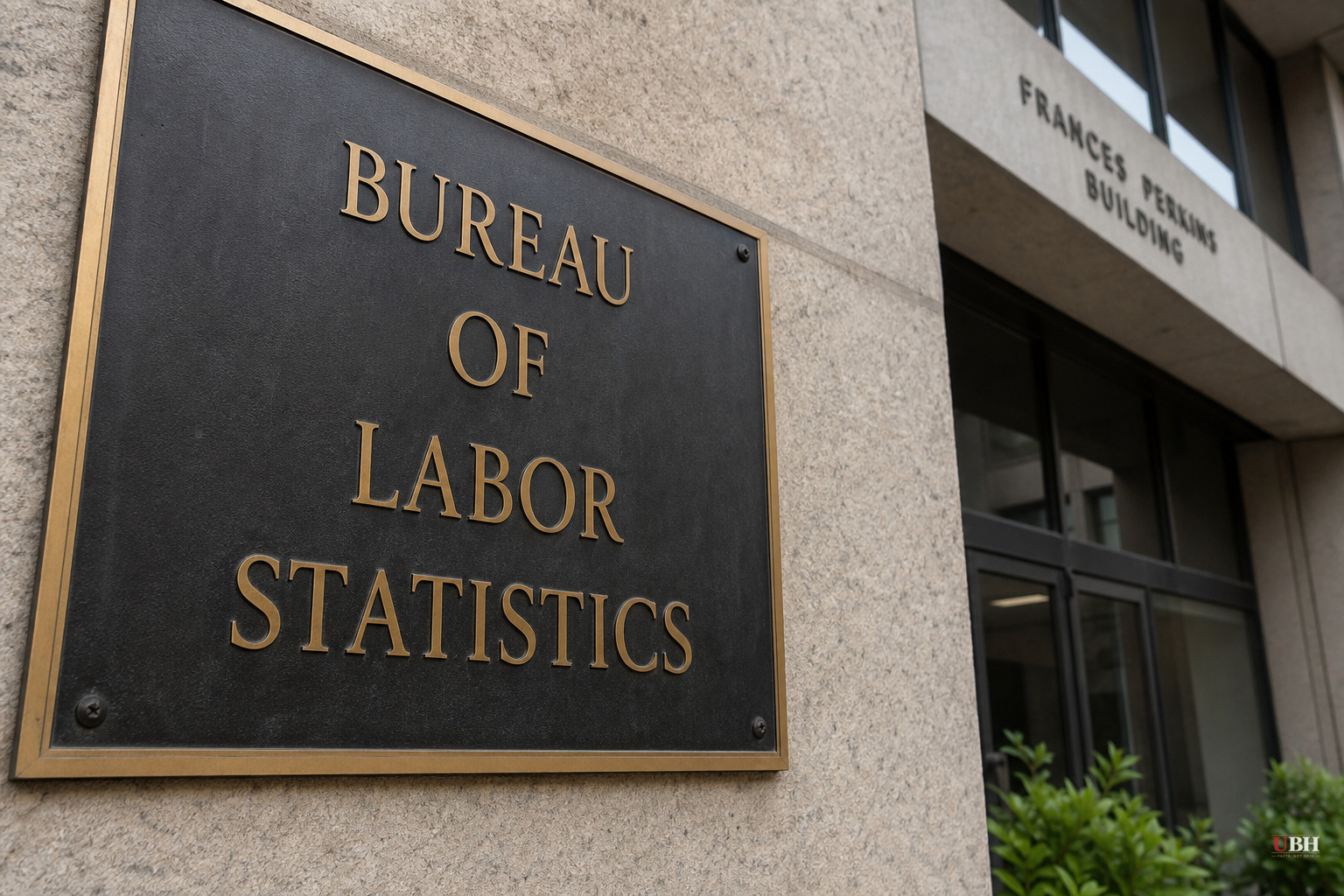
The Bureau of Labor Statistics releases the July consumer price index Wednesday at 8:30 a.m. ET. Economists surveyed by Dow Jones and FactSet expect annual inflation to come in around 3.4%, a slight dip from June's 3.5% and well below May's 4.2% peak, according to NBC News and wsls.com.
That sounds like good news. It isn't, not for the average paycheck.
Wages grew just 3.2% year-over-year in July, the slowest pace since 2021, according to Business Insider. That's the fourth straight month wage growth has trailed inflation. Prices are still rising faster than pay, even on the optimistic scenario.
The Stagflation Word Is Back
NBC News reports the combination of a cooling but still-elevated job market and inflation running above wage growth has revived fears of "stagflation." Friday's jobs report didn't help. The economy shed 23,000 jobs in July, and revisions wiped out roughly 100,000 previously reported jobs from prior months, according to Business Insider. The labor market is getting weaker at the same time prices refuse to fully cool off.
Energy Prices Are the Wild Card
Gas is the story to watch. AAA put the national average at $4.04 a gallon on Wednesday, up 16 cents from a month earlier, according to wsls.com. U.S. crude oil neared $85 a barrel Tuesday, with international Brent crude touching $90, its highest level this month, per NBC News.
This traces back to the Iran war. Oil spiked when the conflict broke out, moderated after a ceasefire, and is now creeping up again. PNC Financial economists wrote Monday that energy should still provide "a modest disinflationary influence" on the July number, "although likely not to the same extent as in June." Gas helped the July report look better, but that cushion is fading fast, and August's numbers could look worse.
Goldman Sachs economists expect jet fuel cost pass-through pushed airfare prices up 2% in July.
The Fed Is Split, and One Voice Wants Rate Hikes
Cleveland Fed President Beth Hammack said Monday the central bank may need multiple rate hikes to get inflation back to its 2% target, telling Yahoo Finance that a quarter-point move "probably doesn't do a whole lot for the economy." On Tuesday she was blunter on LinkedIn: "Now is the time to act."
That's one Fed official's view, not a committee decision. CME FedWatch data cited by Business Insider showed traders split roughly 50-50 on whether the Fed hikes or holds steady at its mid-September meeting. Nobody on the rate-setting committee has confirmed a hike is coming. This is a live debate, not a done deal.
Seven Years of Raises That Mostly Vanished
A CBS News analysis published August 7 gives the longer view. The typical full-time worker's weekly pay rose 38% from 2019 through early 2026, from roughly $908 to $1,250 a week. Prices rose almost as fast, up 30% over the same stretch, according to CBS News, eating about 80% of that raise.
What's left is about $70 more a week in today's dollars, roughly one SUV gas fill-up or a third of a week's groceries for a family of four, per CBS News's framing. That's a 6% real gain over seven years, less than 1% a year.
The CBS analysis found the gains weren't shared evenly. The bottom 10% of earners beat inflation by 9.4% after seven years. The typical worker gained 5.9%. The top-paid quarter gained only 2.6%. Police officers gained nearly 10% in real terms over that period while nurses, in a similarly paid profession, saw almost no real gain. Letter carriers lost about 10% in buying power and rejected a national contract offering roughly 1.3% annual raises in January 2025, their first rejection since 1978.
Still, CBS notes that 5.9% real gain over seven years beats most comparable stretches back to 1979, when pay actually fell 3.6% after inflation over the following decade.
The Productivity Counterweight
Douglas Holtz-Eakin of the American Action Forum argues the wage story ultimately comes down to productivity, not Washington interventions. Non-farm business productivity has averaged 2.0% annual growth since 2016, he wrote August 12, "not bad as a target for the growth of living standards." Manufacturing productivity, by contrast, has averaged negative 0.1% annually over roughly the past decade. Holtz-Eakin is skeptical AI has changed that trajectory yet, calling recent gains encouraging but noting growth "appears to be tapering off at the moment."
Productivity, not tariffs or rate moves, is what lets companies raise pay without raising prices, according to Holtz-Eakin's analysis.
Wednesday's CPI report will show whether July's cooling trend holds or whether the late-July gas price increase already started feeding back into inflation. Wholesale prices follow Thursday, and July retail spending data lands Friday, giving a fuller picture of whether consumers are still spending or pulling back as University of Michigan survey director Joanne Hsu and Money Management International's Ted Rossman have both flagged rising reliance on debt for essentials like groceries and medical bills, according to marketplace.org.
Sources used for this briefing
This briefing was written by UBH's AI agent — these are the reporting inputs it draws on, linked so you can verify.


