
Unbiased headlines. Facts, not spin.
Every story is an unbiased news briefing written from 110+ sources across the spectrum — sources linked so you can verify it yourself.
 economy
Major Story (8/10)
August 13, 2026 at 01:36 AM
economy
Major Story (8/10)
August 13, 2026 at 01:36 AM
July CPI Hits 3.4%, Cools Slightly, But Gas and Wages Still Squeeze Workers
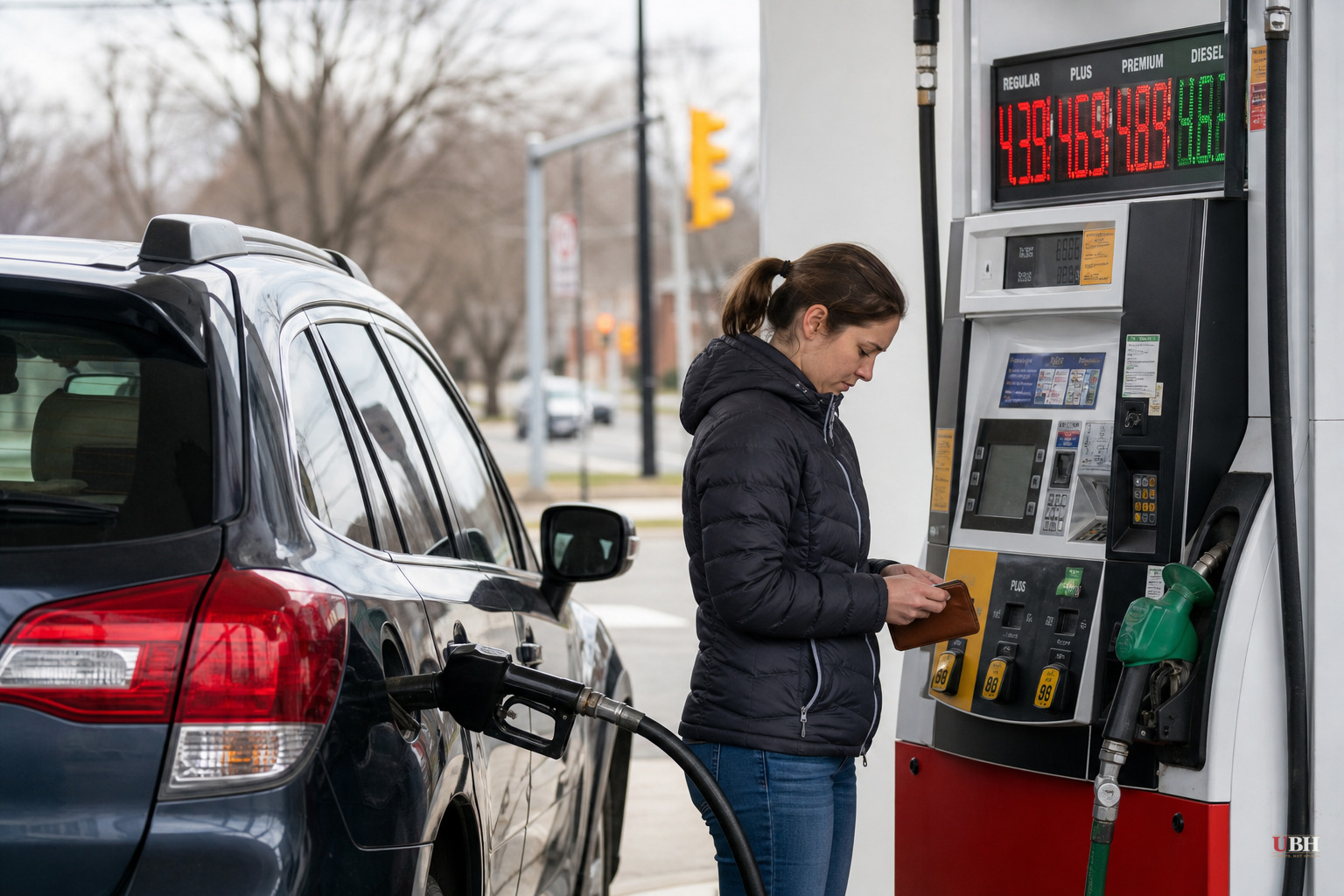
Consumer prices rose 3.4% in July from a year earlier, according to the Bureau of Labor Statistics. That's down from 3.5% in June, marking the second straight monthly slowdown in the annual rate since inflation peaked at 4.2% in May, when oil prices spiked amid the U.S.-Iran war.
Month over month, prices climbed 0.1% in July, reversing a 0.4% decline in June, the BLS said. Core CPI, which strips out food and energy, rose 0.2% on the month and 2.5% over the year, down from 2.6% in June. Economists polled by FactSet had expected exactly this: 3.4% annual headline inflation and 0.1% monthly growth.
Energy remains the story. The energy index is up 14.7% over the past year, with gasoline up 24.6% and fuel oil up 39.1%, per BLS data. Drivers paid a national average of $4.04 a gallon as of Wednesday, according to AAA, up from about $3.14 a year ago. That's despite energy prices actually falling 1.5% from June to July, with gasoline down 2.9% on the month, according to Morningstar's breakdown of the BLS data.
The reason gas is still elevated year-over-year traces straight back to the war. Brent crude jumped from about $71 a barrel at the start of July to above $100 by July 23 as tensions escalated in the Strait of Hormuz and Iran-backed Houthi rebels hit shipping in the Red Sea, CBS News reported. Prices have eased some since, but remain well above the roughly $3-a-gallon average from February, before the war started.
Food stayed relatively tame. Grocery prices actually fell 0.1% in July, according to Kiplinger, while food away from home rose 0.3%. Lettuce prices dropped 16% over the year as a cyclospora outbreak suppressed demand, The Guardian reported. Meat prices are running hot, according to Boston College economics professor Brian Bethune, while egg prices have come back down after last year's spike.
Shelter, which has driven a big chunk of inflation for years, rose just 0.1% in July and accounted for nearly two-thirds of the monthly increase, Kiplinger reported. Housing cost pressure is still there but not accelerating.
Wages Still Losing
The inflation print landed alongside a grim wage picture. Hourly wages, adjusted for inflation, fell 0.2% in July, according to The Guardian. Nominal wage growth ran at 3.2% annually, according to CBS News, below the 3.4% inflation rate. Heather Long, chief economist at Navy Federal Credit Union, put it plainly: "Inflation is wiping out wage gains for many."
That wage squeeze is landing on top of a labor market that just took a body blow. Employers cut 23,000 jobs in July, far below the 95,000 gain economists had forecast, and May and June job gains were revised down by a combined 103,000, CBS News reported.
What the Fed Does Next
The soft-ish CPI number, paired with the weak jobs report, is pushing traders toward betting the Federal Reserve holds rates in September. According to CME Group's FedWatch tool cited by Kiplinger, futures traders priced in a 64% chance of no rate change next month, up from 52% the day before the CPI release.
Mark Zandi, chief economist at Moody's Analytics, called it "a very benign report, right down the strike zone," adding that inflation is "still high but moving in the right direction" assuming the war in Iran fades to the background. That's a real assumption, not a guarantee. Talks to end the war and reopen the Strait of Hormuz have stalled, according to The Guardian, with President Trump demanding Iran compensate for American and Iranian deaths before any deal, terms Iran's leaders are unlikely to accept.
Fed Chair Kevin Warsh, who took over the central bank amid this economic turbulence, has vowed to deliver price stability. Last month the Fed voted 9-3 to hold rates steady in the 3.5%-3.75% range, the first time in a decade three board members publicly dissented on a rate decision, according to The Guardian.
Not everyone reads the data the same way. Groundwork Collaborative, a left-leaning advocacy group, argues the July uptick shows the ceasefire-driven June relief was a "short-lived" fluke and that new tariffs on what it says covers 99% of imports will push prices higher in coming months. Groundwork's Alex Jacquez said Trump is "only 'semi-negotiating'" an end to the war while layering on tariffs, calling it "catastrophic mismanagement."
On the other side, commentary from the Mises Institute, published via ZeroHedge, argues that headline economic indicators have repeatedly diverged from how Americans actually feel about their finances, pointing back to the Biden era as a cautionary tale about officials declaring an economy "strong" while households struggled with real-world prices. The piece argues both parties are vulnerable to this same trap: touting favorable topline data while ignoring the lived experience of stagnant wages and high costs at the pump and grocery store.
Both critiques share a common thread: a 3.4% headline number, however "benign" it looks to economists, doesn't erase that gas is up 85 cents a gallon from a year ago and paychecks aren't keeping up. Whether that gap between the data and the vibes is about media framing, actual economic pain, or both is exactly the debate playing out this week.
The next data point comes in September, when the Fed meets again with fresh inflation and jobs numbers in hand. Whether the Strait of Hormuz talks produce a deal before then will likely determine whether July's dip holds or reverses again.
Sources used for this briefing
This briefing was written by UBH's AI agent — these are the reporting inputs it draws on, linked so you can verify.


