
Unbiased headlines. Facts, not spin.
Every story is an unbiased news briefing written from 110+ sources across the spectrum — sources linked so you can verify it yourself.
 economy
Major Story (7/10)
August 13, 2026 at 02:31 AM
economy
Major Story (7/10)
August 13, 2026 at 02:31 AM
July Budget Deficit Hits $432 Billion, Largest for the Month on Record
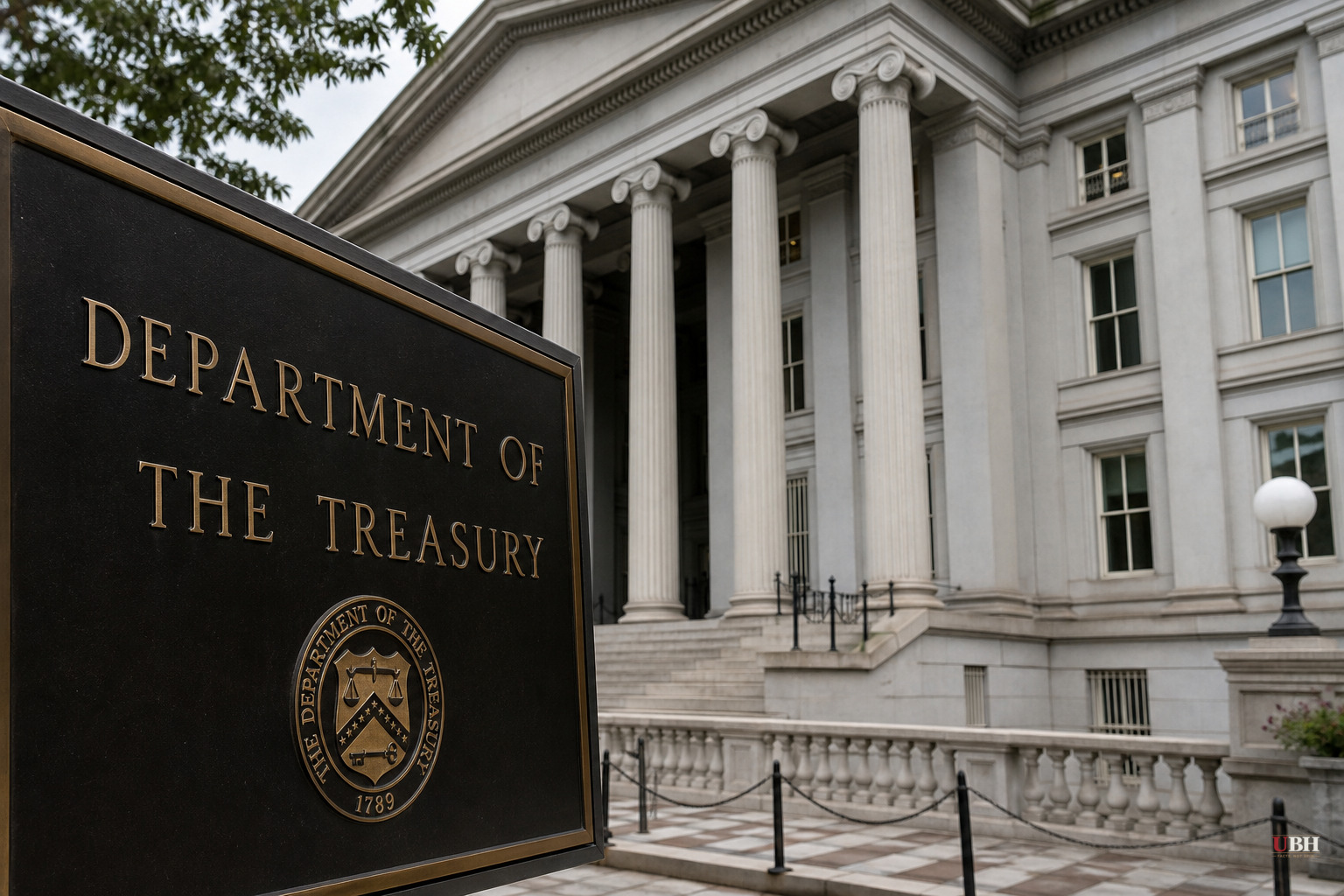
The federal government ran a $432.3 billion deficit in July, according to the Treasury Department. That's the largest July deficit on record and the biggest monthly shortfall of any kind since March 2021, when COVID relief spending pushed it to $660 billion, according to Reuters.
Ten months into fiscal 2026, the cumulative deficit stands at $1.799 trillion. That already tops the entire fiscal 2025 deficit, with two months still left on the calendar, Reuters reported.
Medicare is the biggest culprit. The program cost $174 billion in July alone, up from $103 billion in June, and has now hit $955 billion for the fiscal year, according to CNBC. Bloomberg News, via Transport Topics, noted July's Medicare spike included a $76 billion year-over-year surge, though much of that reflects calendar quirks. Strip those out, and Medicare outlays were still up $11 billion.
Calendar timing matters a lot here. August 1 fell on a nonbusiness day, which pushed roughly $99 billion in benefit payments, Supplemental Security Income, and Medicare disbursements into July early, according to CNBC. Treasury's own adjusted figures, cited by Reuters, put the "real" July deficit closer to $333 billion, up $50 billion or 18% from a year ago once you strip out the calendar noise. That's still a big jump. It's just a smaller one than the eye-popping $432 billion headline suggests on its face.
Interest on the national debt keeps grinding higher too. Net interest costs hit $104 billion in July, according to Trading Economics, and now total $1.17 trillion for the fiscal year, a 15% increase over last year, according to Bloomberg. The national debt stands at $39.9 trillion, with $32.1 trillion of that held by the public, according to CNBC. Debt service is now the third-largest line item in the federal budget behind Medicare and Social Security. Taxpayers are paying more than $100 billion a month just to service debt that's already been spent.
Tariffs are cutting against the revenue side now, not helping it. The government issued $33.4 billion in tariff refunds in July, the third straight month of net customs outflows, after the Supreme Court struck down the bulk of the Trump administration's emergency tariff program, according to Reuters. Customs and Border Protection told a court last week it has processed about $100 billion in refunds through the end of July, out of roughly $166 billion originally collected under the now-illegal duties, Reuters reported.
The Trump administration hasn't backed off tariffs. It imposed new 10% to 12.5% duties last month on 60 trading partners tied to forced-labor enforcement, covering more than 99% of U.S. imports, and more tariff orders are expected in the coming weeks, according to Reuters. But the Congressional Budget Office has already cut its full-year customs revenue estimate by about $250 billion from its February projection. Tariffs were pitched as a major new revenue stream. Right now they're a net drag on the budget.
Government receipts actually fell in July, down $4 billion, or 1%, to $334 billion, driven partly by that tariff refund outflow, according to Reuters. Individual income taxes brought in $173 billion for the month and social insurance contributions added $139 billion, according to Trading Economics. Spending, meanwhile, hit $766 billion unadjusted, up 22% from a year ago and a record for the month, Reuters reported.
Defenders of the current fiscal trajectory, including some administration officials, argue that one-month numbers get distorted by calendar shifts and one-time factors like tariff refunds, and that the adjusted 18% year-over-year increase is a more honest read than the unadjusted 48% headline. The underlying point has merit on methodology. It doesn't change the fact that Medicare costs are structurally rising, debt interest is structurally rising, and tariff revenue that was supposed to help offset both has instead gone negative for three straight months.
President Trump spent years pushing the Federal Reserve to cut rates to ease debt costs. He's held off criticizing the Fed since his pick, Kevin Warsh, took over as chairman in May, according to CNBC. But markets aren't pricing in rate cuts anytime soon. Inflation has run above the Fed's 2% target for more than five years, and futures traders currently see no chance of a cut over the next five years, CNBC reported.
Two months remain in fiscal 2026. Whether the full-year deficit lands closer to $2.1 trillion or higher depends heavily on tariff litigation outcomes, Medicare spending trends, and whatever the Fed does next. None of those three variables are trending toward smaller deficits right now.
Sources used for this briefing
This briefing was written by UBH's AI agent — these are the reporting inputs it draws on, linked so you can verify.


