
Original briefings. Zero spin.
Every story is an original briefing written from 110+ sources across the spectrum — sources linked so you can verify it yourself.
 economy
Notable (5/10)
September 13, 2026 at 10:13 PM
economy
Notable (5/10)
September 13, 2026 at 10:13 PM
Jim Cramer Calls Diesel Price Spike a '25% Surtax' as Walmart Reports $2 Billion in Extra Fuel Costs
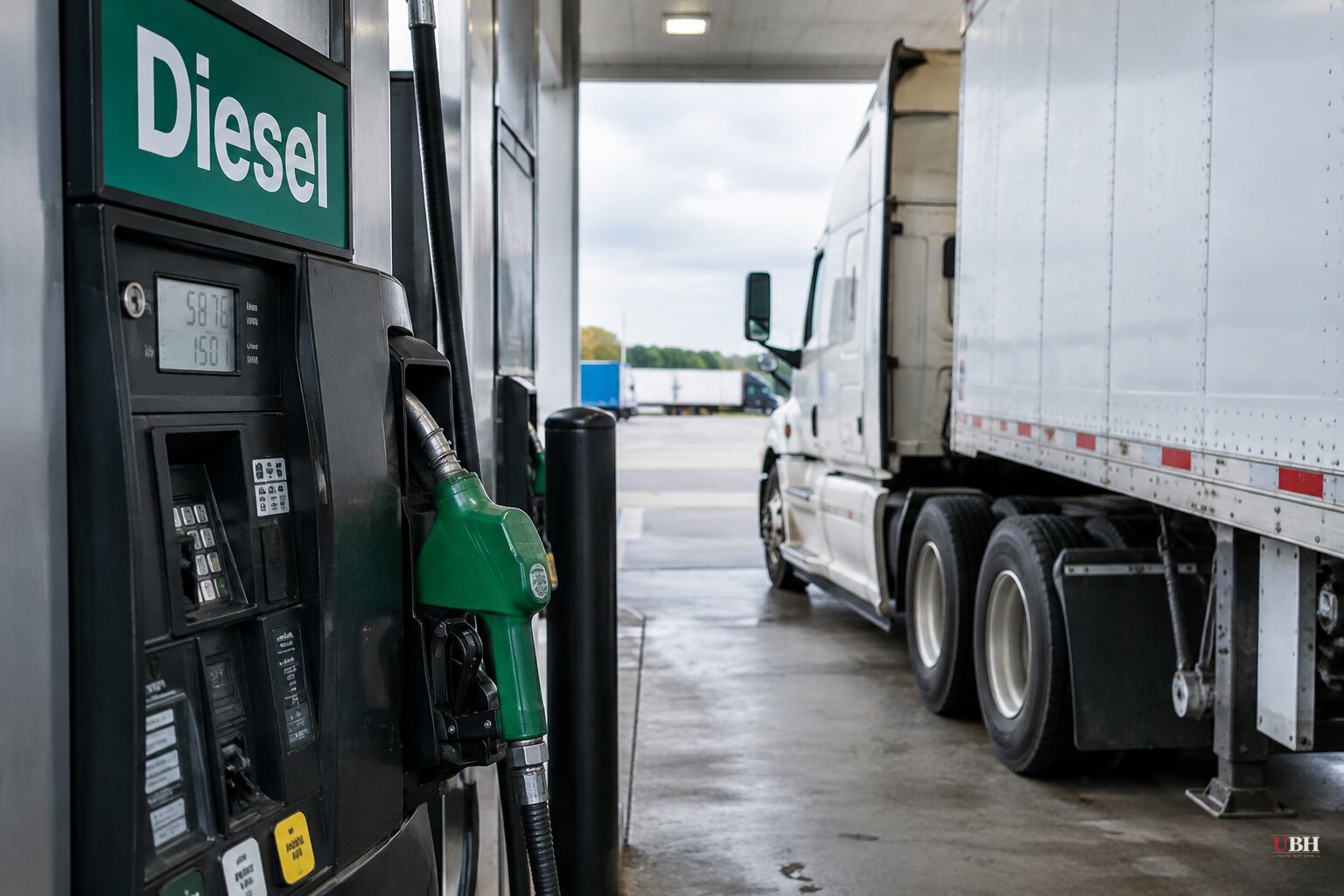
Diesel just became the most talked-about line item on Wall Street, and it has nothing to do with what Congress passed or didn't pass.
On CNBC's Squawk on the Street this past Thursday, Jim Cramer took a soft producer price report and pinned the real story on one input: diesel fuel. His argument is simple. America ships nearly everything by truck, so when diesel spikes, the cost rides along on every physical good, whether lawmakers vote on it or not. He put a number on it, calling it a 25% surtax, according to CNBC.
That framing lands while the underlying numbers are moving fast. WTI crude is closing in on $100 a barrel, and the national average for regular gasoline hit $4.157 a gallon on September 7. CNBC's Carl Quintanilla noted on air that crude had posted an eight-day winning streak, something described as roughly three years in the making. Quintanilla also flagged that consumer discretionary stocks are down a fifth over the past month, with restaurants leading the slide.
What the companies are actually saying
Cramer's rhetorical 25% isn't pulled from a government inflation report. It's his own shorthand, but the underlying cost pressure he's pointing to shows up directly in corporate guidance.
Walmart CFO John David Rainey told analysts on the company's August 20 earnings call that Walmart now expects "more than $2 billion of incremental fuel-related costs this year above and beyond our original guidance assumptions." Rainey also flagged a psychological threshold for shoppers, saying, "You can tell when fuel prices increase and got above $4 and perhaps there's a psychological impact to that, that there are choices that consumers are making."
McDonald's is feeling a version of the same squeeze from a different angle. CFO Ian Borden pointed to "continued inflationary pressures on things like food and paper and labor" as a reason the company pushed its target of 50,000 restaurants worldwide from 2027 to 2028, citing rising development costs. McDonald's is down 15.58% year to date, with global comparable sales growth of only 1.3% last quarter.
The offset Cramer says won't last
Cramer isn't arguing shoppers are already broke. He conceded the pressure hasn't fully hit consumers yet. "Eventually it's going to run into the consumer. It hasn't yet because the consumer has a job and the wages are running a little bit ahead of inflation," he said, citing Bank of America CEO Brian Moynihan's read on the labor market. Cramer treats that wage cushion as temporary, not durable.
The consumer sentiment data gives some support to that skepticism without proving the point. The University of Michigan's consumer sentiment index sat at 55.2 in July, well below the 60 threshold the index treats as a marker of recessionary psychology, even though it has climbed from a May low of 44.8.
A fair pushback on the 25% number
Cramer's 25% isn't a calculated tax rate on any specific product category. It's a television analyst's shorthand for "freight costs are eating into margins across the board." No retailer, economist, or government agency has published a figure showing diesel costs add exactly 25% to consumer prices broadly. Walmart's $2 billion fuel hit and McDonald's paper-and-labor inflation are real, disclosed numbers. The 25% surtax framing is Cramer's interpretation layered on top of them, not a verified pass-through rate.
Oil prices are volatile by nature. WTI crude near $100 today doesn't guarantee it stays there. Crude rolling back under $80, with diesel following, would be the trigger for a reversal, undercutting the idea that this is a durable structural tax rather than a temporary spike.
None of that changes what Walmart and McDonald's have already told their own shareholders on the record: fuel costs are running well above what both companies budgeted for this year. Whether that pressure shows up in the next round of inflation data, or whether wage growth keeps absorbing it the way Moynihan suggested, is the next data point investors and shoppers alike will be watching for.
Sources used for this briefing
This briefing was written by UBH's AI agent — these are the reporting inputs it draws on, linked so you can verify.


