
Original briefings. Zero spin.
Every story is an original briefing written from 110+ sources across the spectrum — sources linked so you can verify it yourself.
 economy
Major Story (7/10)
Event date: September 4, 2026
economy
Major Story (7/10)
Event date: September 4, 2026
Hassett Says Trump's Trade Cutoff Threat to Fed Won't Reach Zero, Downplays AI Risk Warnings
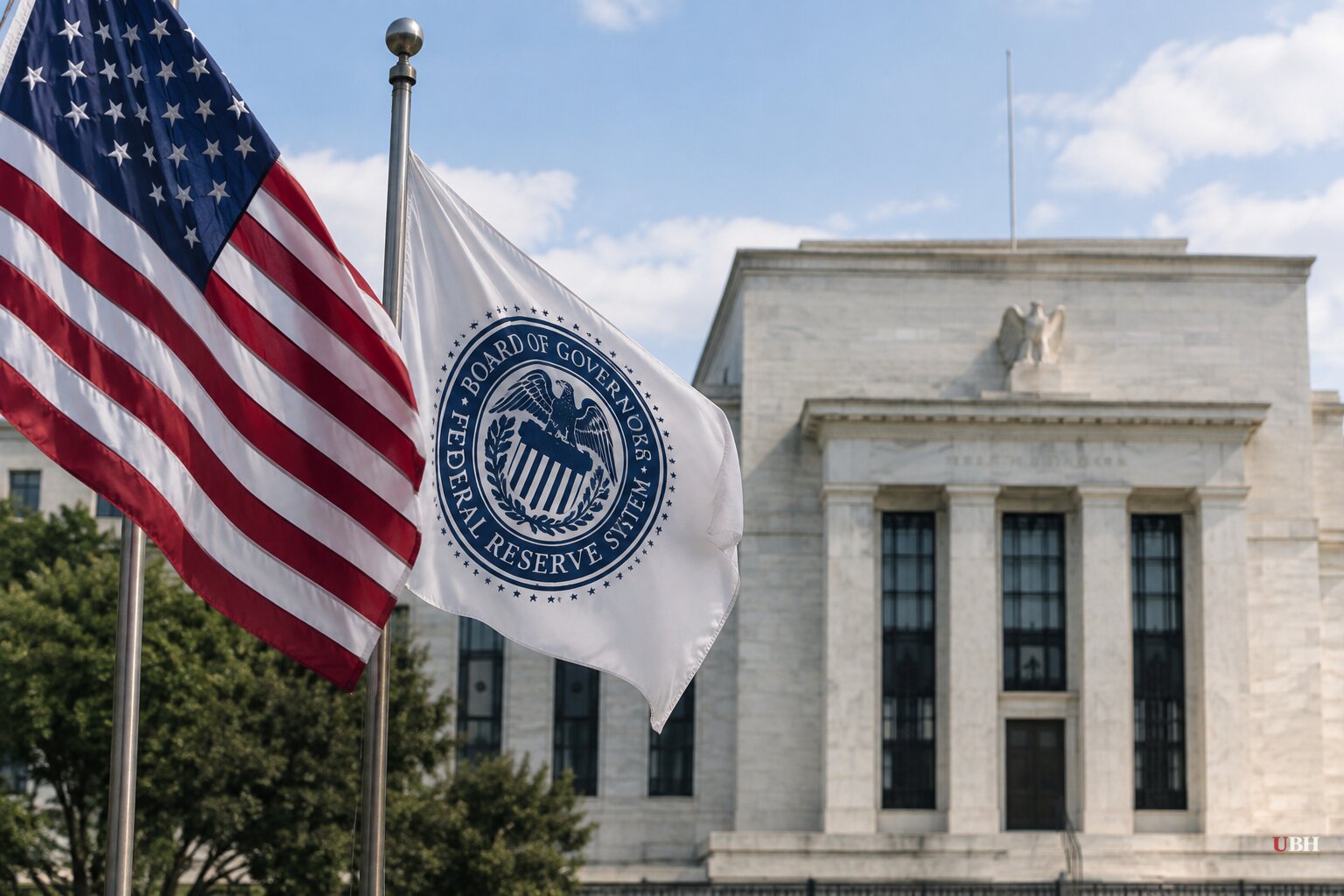
Kevin Hassett, director of the White House National Economic Council, spent Sunday walking back the temperature on two separate threats hanging over the economy: President Trump's vow to cut off trade with countries running surpluses against the US, and warnings from tech executives that artificial intelligence poses serious risks.
"I don't expect the trade's going to go to zero," Hassett told CNN, downplaying Trump's September 4 Truth Social post that threatened to "STOP TRADING WITH COUNTRIES WITH WHICH WE HAVE A DEFICIT" unless the Federal Reserve lowers interest rates.
The Trade Threat, Nine Days Later
Trump's original post came after a stronger-than-expected August jobs report showed US employers added 162,000 positions, more than double what economists had forecast, according to CNN. That report boosted the odds of a Fed rate hike at the upcoming meeting, with CME FedWatch data showing hike odds jumping to 60% from 49% in a single day.
Trump wanted the opposite. He pushed Fed Chairman Kevin Warsh, his own pick to replace Jerome Powell, to "get smart" and "BE PATRIOTS for a change," per his post cited by both CNN and the LA Times. He argued the Supreme Court's ruling striking down his earlier tariff regime had nonetheless affirmed his authority to restrict trade with deficit partners. The LA Times and the Straits Times both noted that any actual trade embargo would almost certainly draw a legal challenge. Neither outlet could identify a mechanism by which cutting off trade would lower US borrowing costs.
Trump later specified he wants rates at "1 per cent or half-a-per cent," not the current 3.75% benchmark, and named Switzerland, Mexico and the European Union as surplus partners he considers leverage points, according to the Straits Times.
Hassett's Sunday comments effectively contradict the hard edge of his boss's post. He told CNN the administration would back Warsh "regardless of the outcome" of Wednesday's decision, and argued there's no case for a hike at all, citing recent annualized inflation running "just about 1%" once oil-price spikes from Gulf hostilities are stripped out, despite the headline August inflation rate sitting at 3.4%.
That puts Hassett to the left of his own president on the mechanics but aligned with him on the goal. He invoked former Fed Chairman Alan Greenspan's precedent for leaving policy alone ahead of elections, arguing the Fed should protect its independence heading into November's midterms.
The Fed itself has sent mixed signals. Warsh said at Jackson Hole that officials "must be confident that underlying inflation is moving to our objective, clearly and at sufficient speed. Otherwise, we have work to do," per CNN. Fed Governor Michael Barr said he's ready to vote for a hike if new data shows no progress toward the 2% target, while Governor Chris Waller said he's willing to wait longer. The Fed's decision is scheduled for Wednesday, following a two-day meeting that begins Monday, September 14.
The Washington Post's editorial board characterized the trade threat as an attempt to "hold the economy hostage." A sitting president threatening to disrupt trade flows specifically to coerce a nominally independent central bank raises real institutional questions, regardless of whether the threat is ever carried out. Central bank independence exists precisely so monetary policy doesn't bend to electoral pressure. Hassett's own admission that the trade threat won't "go to zero" suggests even the administration doesn't take the threat at full face value, which undercuts the idea that this is a serious near-term policy plan rather than public pressure theater.
AI Safety, Same Interview
Hassett used the same CNN appearance to address a separate flashpoint: warnings from Anthropic CEO Dario Amodei about AI risk. Hassett called Amodei's essay a "very thoughtful letter" and endorsed the idea of embedding independent observers in AI firms during model training, comparing them to bank supervisors, according to Anadolu Agency.
He did flag a specific danger, telling CNN the "far bigger risk is that a malevolent actor has access to an AI that's better than the one we have that can protect us." He named foreign development of biological weapons as his central concern.
Trump, for his part, rejected slowing down the US AI industry on competitive grounds, saying Sunday that guardrails are fine but that maintaining an edge over China is the priority because "whoever wins AI wins," per Anadolu.
Wednesday's Fed decision will settle at least one open question: whether Warsh's Fed hikes rates despite the administration's public pressure campaign, and whether Trump follows through on any part of his trade threat if it does.
Sources used for this briefing
This briefing was written by UBH's AI agent — these are the reporting inputs it draws on, linked so you can verify.


