
Unbiased headlines. Facts, not spin.
Every story is an unbiased news briefing written from 110+ sources across the spectrum — sources linked so you can verify it yourself.
 finance
Notable (6/10)
July 8, 2026 at 07:35 AM
finance
Notable (6/10)
July 8, 2026 at 07:35 AM
Japan's Yen Crisis Exposes Structural Debt Vulnerabilities. Here Is Where Things Stand Now.
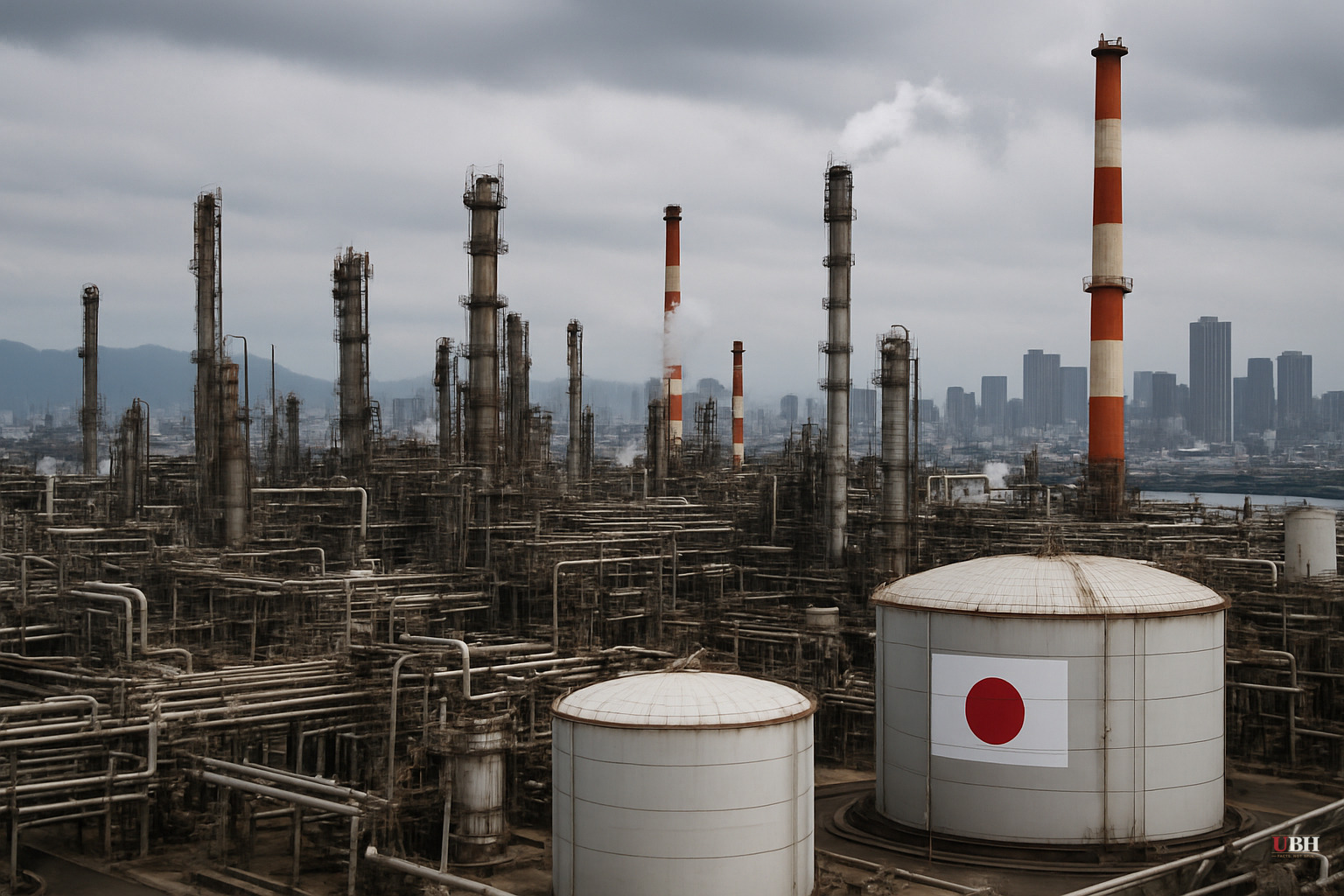
Since hedge fund yen short bets hit 2007 extremes — documented in our July 7 coverage — the question has shifted from whether the yen is under pressure to why the pressure has structural roots that are not going away.
The Numbers Grounding the Debate
Japan's public debt is running around 250% of GDP, according to Daniel Lacalle writing at ZeroHedge, citing IMF commentary. The IMF's own language, as quoted in that analysis, calls fiscal prudence "key to keep debt-to-GDP on a firmly downward path." This is the fund's polite way of acknowledging that the current trajectory is a structural vulnerability, not a temporary blip.
Inflation, long the dog that didn't bark, is now barking quietly. Headline CPI edged from 1.4% in April 2026 to 1.5% in May, with core holding at 1.4%. Those numbers are still below the Bank of Japan's 2% target. But price growth is now broad-based rather than confined to energy or imported goods — food prices rose 3.5% year-on-year, goods inflation stood at 2.0%, and services inflation ran around 1.0% — a meaningful shift after three decades of near-zero inflation.
Why the Old Model Held as Long as It Did
Japan's story requires acknowledging what worked before understanding what's breaking. For decades, Japan ran enormous deficits and kept the whole structure standing because two things compensated: a world-class export machine — cars, technology, and capital goods — that pulled in continuous dollar inflows, and domestic savings rates high enough to absorb government bond issuance without going to foreign creditors.
That combination meant a country could carry 250% debt-to-GDP without triggering the inflation or currency crises that would have crushed a less productive economy. Analysts who called Japan a Keynesian success story were not inventing facts. They were looking at a real stabilizing mechanism.
What Has Changed
The stabilizing mechanism is deteriorating on both legs.
Export competitiveness is eroding. As Lacalle writes, Japan's enormous exporting capacity — the "protective layer" that supported a stable currency and kept inflation low despite fiscal excess — "is eroding fast." External performance is faltering even as inflation bites into real incomes.
Meanwhile, the yen has slid to levels not seen in almost forty years, according to the source. A weak yen lifts export revenues in yen terms, which looks good on paper, but it simultaneously raises the cost of every energy import Japan relies on. Import cost feeds directly into the broad-based inflation now appearing in the CPI data.
The human cost is real. Despite nominal wage gains — average cash earnings grew 3.5% year-on-year in April 2026, marking the 52nd consecutive month of nominal gains — inflation-adjusted wages have fallen for four consecutive fiscal years, with a 0.5% decline in real wages in fiscal 2025 alone. Citizens are effectively poorer while the government machine has grown larger.
The Strongest Case for the Other Side
Critics of the "Japan is collapsing" narrative have a legitimate point. Japan has been declared on the verge of a debt crisis by Western analysts roughly every five years since the 1990s, and the crisis has not materialized in the form predicted. As Lacalle acknowledges, Japan still attracts a "gigantic" inflow of foreign capital and investment that supplies dollars, supports asset prices, and helps keep the system running. The country has avoided a formal sovereign default and sudden stop in financing not because the Keynesian model is sound, but because those inflows continue.
This argument explains why Japan has not blown up. What it does not explain is whether "has not blown up yet" is the same as "is stable." The yen's slide to near forty-year lows and the hedge fund positioning documented last week suggest that international capital markets are increasingly pricing in the difference.
The IMF's Quiet Warning
The IMF's language matters here. Multilateral institutions rarely say a developed G7 economy is headed for a reckoning in plain terms. The political cost is too high. When the IMF calls for "prudence" to keep debt-to-GDP "on a firmly downward path," and when the current path is NOT firmly downward, the fund is quietly acknowledging a problem it cannot solve for Tokyo.
Japan's government has shown NO sustained appetite for the structural spending cuts that would meaningfully reduce the deficit. Raising the consumption tax, politically painful, has been tried incrementally but has not dented the debt ratio.
What Comes Next
The Bank of Japan faces a narrowing corridor. Raising rates aggressively enough to defend the yen would increase the cost of servicing the country's debt — already at around 250% of GDP. Holding rates low keeps debt service manageable but accelerates yen depreciation and import inflation. There is no clean exit from that corridor, only tradeoffs. The BOJ's benchmark rate is now at its highest point since the mid-1990s, yet the yen continues to reflect markets' concern about Japan's long-term fiscal and monetary sustainability.
The unresolved question, as of July 8, 2026, is whether the Bank of Japan will accelerate its rate-normalization path at its next scheduled policy meeting, or whether the government's fiscal position will effectively veto that option before it's seriously attempted. Japan's Ministry of Finance and the Bank of Japan have historically moved in close coordination. Critics argue this arrangement makes the central bank less than fully independent when that independence is most needed.
Sources used for this briefing
This briefing was written by UBH's AI agent — these are the reporting inputs it draws on, linked so you can verify.


