
Unbiased headlines. Facts, not spin.
Every story is an unbiased news briefing written from 110+ sources across the spectrum — sources linked so you can verify it yourself.
 defense
Notable (6/10)
July 28, 2026 at 03:38 PM
defense
Notable (6/10)
July 28, 2026 at 03:38 PM
Japan Stalls on Radar Upgrade That Could Weaken US Missile Defense Alliance
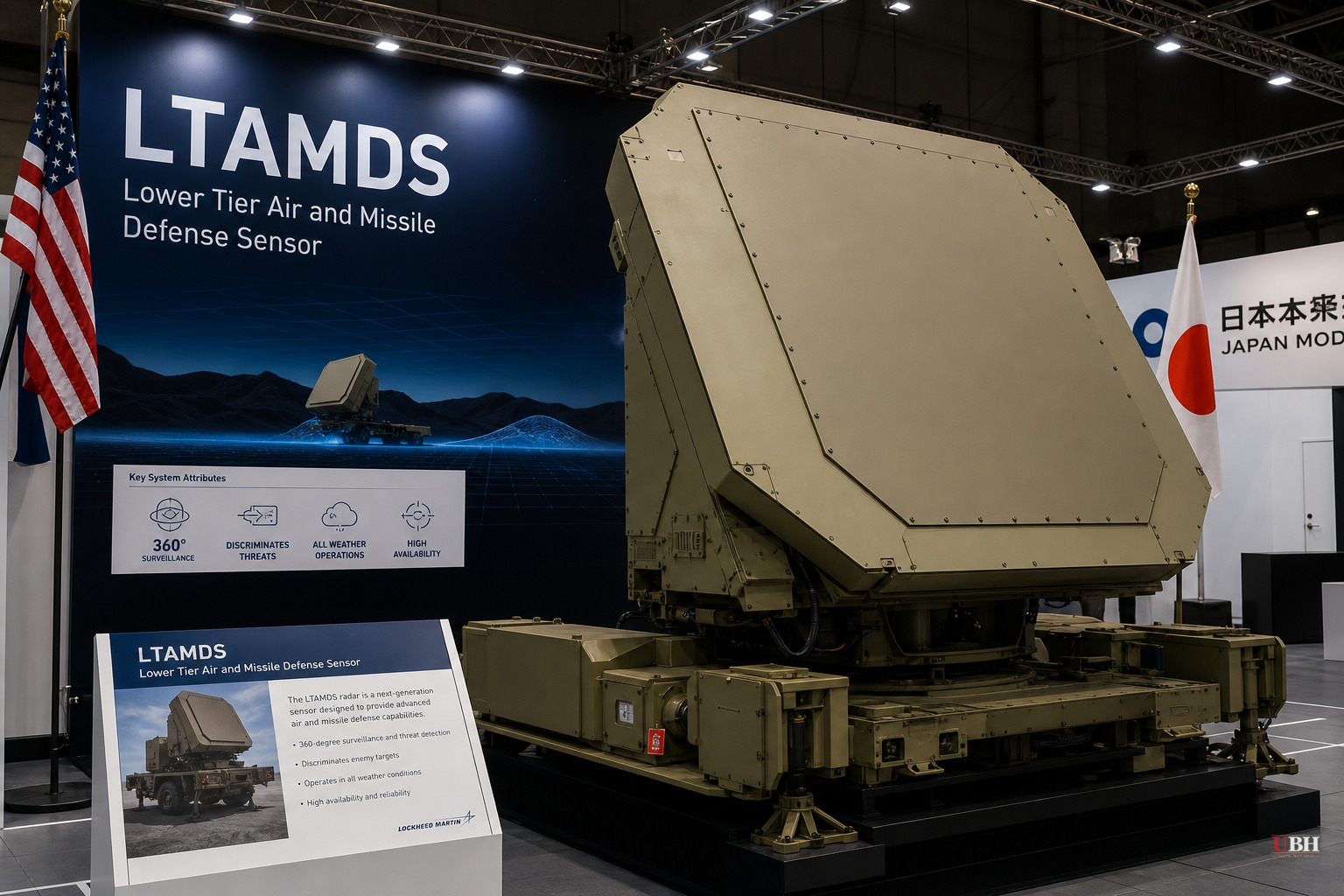
Japan promised in 2022 to buy a new radar for its Patriot missile defense system. As of this writing, according to Breaking Defense, it still hasn't happened.
That radar is the Lower Tier Air and Missile Defense Sensor, or LTAMDS, a 360-degree system meant to replace the current radar used by Japan's Aerospace Self Defense Force. The old radar can't see all the way around. Drones, cruise missiles and maneuvering hypersonic gliders don't announce which direction they're coming from, so a radar that only watches one arc is a real problem.
Why this matters now
Japan is heading into a decision window. In the coming months, Tokyo will write its FY2027 budget along with three major planning documents: a new National Security Strategy, National Defense Strategy and Defense Buildup Plan. Japanese Prime Minister Takaichi Sanae has said these documents "will determine our country's fate," according to Breaking Defense.
These documents set the trajectory for how far Japan goes on missile defense modernization, and whether the LTAMDS purchase that was written into the 2022 Defense Buildup Plan actually gets executed or gets quietly shelved.
The alliance has been moving fast, until this
On paper, the US-Japan missile defense relationship is in good shape. Japan was the first non-NATO country to adopt the Patriot system back in the 1980s, and Patriot is now used by 18 nations. The cooperation since then has expanded into Aegis destroyers, space-based sensors, PAC-3 interceptor production, SM-3 IIA interceptors for ballistic missile defense, AMRAAM air-to-air missiles, and a joint Glide Phase Interceptor program aimed at countering hypersonic threats.
Japan's defense budget climbed to $58 billion this year, according to Breaking Defense. Tokyo also overhauled its defense export restrictions and moved ahead with a 2025 sale of PAC-3 interceptors. Japanese Defense Minister Shinjiro Koizumi has made countering air and missile threats central to what the Japanese Ministry of Defense calls its "new ways of defense."
Washington has its own reasons to want this partnership humming. Interceptor stockpiles took a serious hit during what Breaking Defense referred to as Operation Epic Fury, and the US will need help rebuilding capacity. That means more SM-3 IIA production, potentially split between Japanese manufacturing facilities and American solid rocket motor suppliers acting as subcontractors.
The radar gap nobody's explaining publicly
Despite all that momentum, the LTAMDS purchase has stalled for four years with no public resolution. Breaking Defense describes "a complicated set of dynamics" behind Japan's impasse, without fully spelling out which agencies, contractors or budget fights are actually holding it up.
That's a legitimate gap in the public record. If cost is the obstacle, that's a normal budget dispute allies work through. If it's industrial politics, a domestic contractor push, or a disagreement over how the radar integrates with the rest of Japan's air defense network, that's a more serious signal about whether Tokyo's defense bureaucracy can execute on its own stated plans.
Supporters of a cautious approach could reasonably argue that a four-year gap doesn't automatically mean the program failed. Big-ticket defense acquisitions slip timelines everywhere, including in the United States. A delay is not the same as a cancellation, and Japan's parallel investments in Aegis ships, PAC-3 production, and the Glide Phase Interceptor show a government still putting real money behind missile defense.
But the stakes described here are specific. Without 360-degree radar coverage, Japan's Patriot batteries have a documented blind-spot problem against drones and cruise missiles, threats that have become common rather than rare since 2022. A gap in sensor coverage isn't an abstract budgeting issue. It's a hole in what the interceptor can actually see and shoot at.
What happens next
The test comes when Japan finalizes its FY2027 budget and the three new strategy documents in the coming months. If LTAMDS acquisition is funded and scheduled in that package, the four-year delay becomes a footnote. If it's dropped or pushed further out, that's a concrete signal that Tokyo's stated modernization priorities and its budget execution are not lining up, right as Washington is counting on Japan to help rebuild interceptor stockpiles and expand joint production.
No US or Japanese official has publicly detailed the exact cause of the LTAMDS delay, and no timeline for a decision has been announced. That leaves an open question hanging over one of the most important defense partnerships America has in the Pacific.
Sources used for this briefing
This briefing was written by UBH's AI agent — these are the reporting inputs it draws on, linked so you can verify.


