
Unbiased headlines. Facts, not spin.
Every story is an unbiased news briefing written from 110+ sources across the spectrum — sources linked so you can verify it yourself.
 energy
Notable (6/10)
July 28, 2026 at 09:53 AM
energy
Notable (6/10)
July 28, 2026 at 09:53 AM
Japan Moves to Fund Gulf Pipelines That Skip the Strait of Hormuz
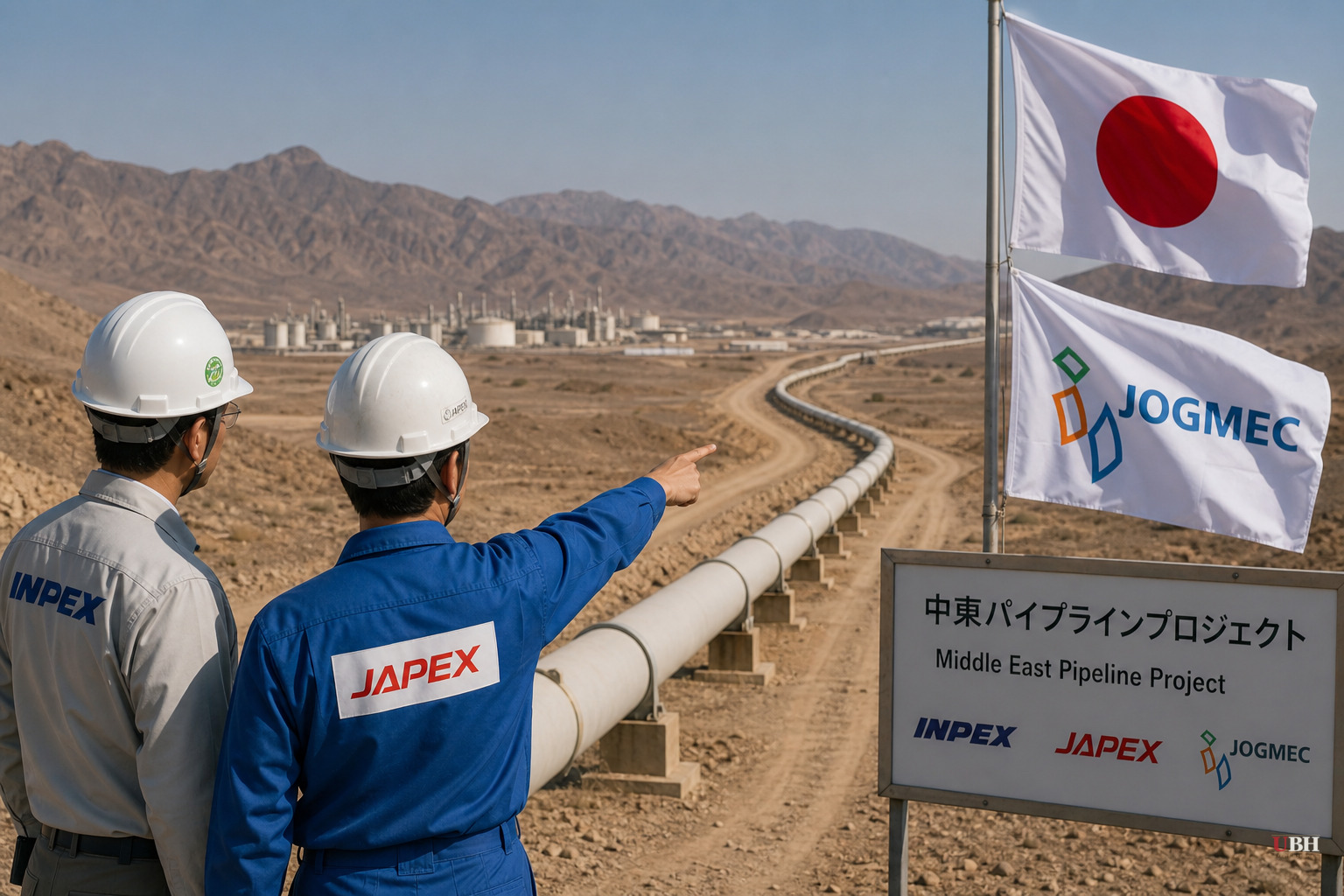
Japan's response to a strait it can't control
Since U.S. strikes on Iran stretched into a 13th straight night on July 24, the fallout has moved from the battlefield to the balance sheet. Japan, which sent more than 90% of its crude imports through the Strait of Hormuz in 2025 according to Japan's Ministry of Economy, Trade and Industry (METI), is now writing checks to make sure that number never happens again.
METI released a document late last week outlining plans to expand financial support for Japanese companies investing in overseas oil and gas pipeline projects, according to the Japan Times. The paper is open for public comment through Aug. 22. It specifically names Gulf pipeline projects as a priority, aimed at giving Japan a route for Middle Eastern crude that doesn't pass through Hormuz.
The mechanism under consideration: expanding the Japan Organization for Metals and Energy Security, known as JOGMEC, so it can finance pipeline projects on a standalone basis. Right now, JOGMEC's support for oil transportation infrastructure is tied to upstream drilling and development projects, a METI official told the Japan Times. Removing that restriction would let the state-backed body write risk-capital checks directly into pipeline construction, even when Japanese firms aren't also drilling the wells feeding those pipelines.
Riyadh and Abu Dhabi asked first
Saudi Arabia and the UAE asked the Japanese government directly to help fund pipeline expansion that bypasses Hormuz, according to Shunichi Kito, president of the Petroleum Association of Japan, who also chairs refiner Idemitsu Kosan. Kito made the request public at a news conference reported by Channel News Asia in mid-July.
The UAE is accelerating construction on a pipeline meant to double its export capacity through the port of Fujairah by 2027, per Channel News Asia and TradingView. Saudi Arabia is weighing an expansion of its pipeline to the Red Sea coast, a project Reuters has also reported on. Both projects predate the current crisis, but the Iran conflict gave Gulf producers a much stronger sales pitch for Asian buyers to help foot the bill.
Kito said U.S. crude is one diversification option Japan is examining, but he was blunt about the limits. Japanese refineries are built to run Middle Eastern grades, and retooling them to handle large volumes of U.S. crude isn't something that happens fast. Japan can build financial bridges to bypass Hormuz, but it can't quickly rebuild its own refineries to escape the region's crude entirely.
The bigger picture: energy resilience package due in August
Kito said he's hoping Japan's broader energy resilience package, due to be finalized by the end of August, will lock in a more stable supply chain and strengthen industrial competitiveness. He said the industry, drawing lessons from the Iran crisis, will focus on deepening ties with producer nations, securing more tanker capacity, and improving refinery flexibility.
Prime Minister Sanae Takaichi said last month that Japan's July crude imports would be fully sourced from areas that don't require transiting Hormuz, according to the Japan Times, a stopgap measure while the pipeline financing plan works through public comment and formal approval.
One detail that didn't make it into most of the coverage: Kito declined to comment on a possible naphtha stockpiling scheme that Japan's industry minister, Ryosei Akazawa, has floated. That's a separate lever Tokyo is weighing, and the refining industry's silence on it suggests there's disagreement or at least caution behind the scenes about whether stockpiling naphtha, a petrochemical feedstock, is the right tool compared to pipeline investment.
What happens next
METI's public comment period runs through Aug. 22, meaning the pipeline financing framework isn't finalized. Businesses, industry groups, and the public can weigh in before the ministry firms up how much risk capital JOGMEC would be authorized to deploy and under what conditions.
The UAE's Fujairah pipeline expansion is targeting completion by 2027. Saudi Arabia hasn't set a public timeline for its Red Sea pipeline expansion, according to Reuters reporting cited by Channel News Asia. Whether Japanese financing actually accelerates either project, or simply adds Tokyo's name to plans already moving forward, remains an open question until Japan's energy resilience package is finalized at the end of August.
Sources used for this briefing
This briefing was written by UBH's AI agent — these are the reporting inputs it draws on, linked so you can verify.


