
Unbiased headlines. Facts, not spin.
Every story is an unbiased news briefing written from 110+ sources across the spectrum — sources linked so you can verify it yourself.
 defense
Major Story (7/10)
July 13, 2026 at 06:28 AM
defense
Major Story (7/10)
July 13, 2026 at 06:28 AM
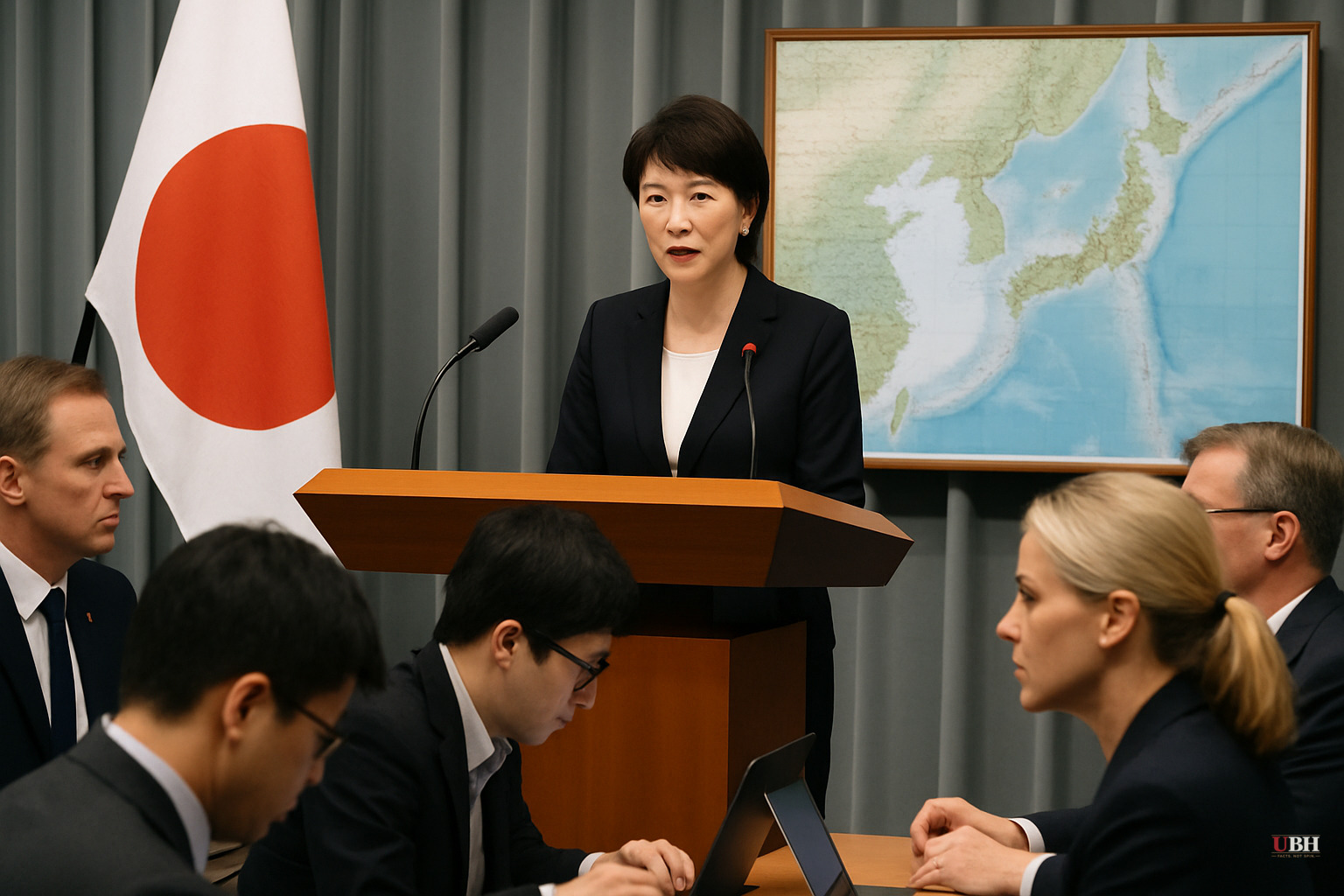
Japan Confirms Plan for New National Intelligence Agency, Built With U.S., Australian and German Help
What's new
Since the New York Times identified a Russian intelligence officer running a Tokyo-based network shipping sanctioned electronics to Russia on July 12, and detailed how Japan became a Kremlin espionage hub after Western capitals expelled Russian spies, Tokyo has confirmed the fix it's been quietly building for months: a brand-new National Intelligence Agency (NIA).
The New York Times reported on July 13 that Prime Minister Sanae Takaichi's government has been privately consulting Washington, Canberra and Berlin for months on how to build it. That's the first time this coordination has been publicly detailed.
The structure
According to TradingView's reporting on the plan, the NIA will be built by reorganizing the existing Cabinet Intelligence and Research Office into a central command hub. It will sit under a new National Intelligence Council chaired by the prime minister herself, pulling in intelligence currently scattered across defense officials, diplomats and police who, per the Times, have historically collected and analyzed information separately with little coordination.
Japan has had no single agency responsible for stitching together threats from China, Russia and North Korea. Everyone had a piece. Nobody had the picture.
Who's helping, and with what
ANI's reporting, citing the New York Times, lays out specifics on the foreign assistance. U.S. intelligence officials have advised on cyber defense systems, countering industrial espionage, and screening foreign investment and agents operating inside Japan. Germany's Federal Intelligence Service (BND) chief recently traveled to Tokyo to discuss the new agency and expand intelligence-sharing between the two countries. Australia has advised on technology and on improving coordination across Japanese ministries.
Andrew Shearer, Australia's ambassador to Japan and a former director-general of that country's national intelligence, told the Times that Japanese officials themselves believe their intelligence capability has been "frozen in time for decades." He called it significant that Takaichi is "investing the political capital to get it done."
Asked directly whether it was seeking foreign help to build the agency, the Japanese government declined to confirm specifics, telling the Times only that it "maintains close cooperation with counterparts in relevant countries regularly."
Why now
This isn't happening in a vacuum. Takaichi has already lifted restrictions on weapons exports and is overseeing Japan's largest post-war defense buildup, according to the Times. The intelligence agency is the next piece: tightening protection of state secrets and critical technology while building capacity to counter foreign influence operations, especially from China.
Researchers at Citizen Lab, cited by the Times, found that China has built websites posing as Japanese-language news outlets to spread pro-Beijing disinformation. That's on top of the Russian sanctions-evasion network already exposed in Tokyo, and documented foreign interference in Japanese elections referenced in TradingView's summary of the legislative push.
The legitimate concern
A fair critic of this plan would point out that centralizing intelligence power under one agency reporting directly to the prime minister concentrates authority that's currently spread across multiple ministries with built-in checks on each other. Concentrating surveillance and secrecy powers in a single body chaired by the head of government is exactly the kind of structural change that deserves scrutiny over oversight, judicial review and what protections exist against the agency being used for domestic political purposes rather than genuine foreign threats.
None of the three reports here indicate Japan has built out those oversight mechanisms yet, or what parliamentary review the NIA will face. TradingView's own framing notes that observers are watching for Beijing's diplomatic or military response and how this reshapes Indo-Pacific security dynamics, but nobody in this reporting has laid out the domestic accountability structure for an agency answering straight to the prime minister.
What happens next
TradingView's report describes this as a legislative move already underway to reorganize the Cabinet Intelligence and Research Office into the NIA, but none of the current reporting specifies a timeline for passage, staffing levels, or a budget figure. Nor is it clear yet whether Japan's Diet will hold public hearings on the new council's authority before the agency stands up.
What is clear: after years of allied warnings about Russian and Chinese operations running through Tokyo largely unchecked, and with the Tokyo GRU network story still fresh from this past weekend, Japan is no longer pretending its patchwork intelligence system is adequate. Whether the new agency gets real oversight, or just real power, is the next thing to watch.
Sources used for this briefing
This briefing was written by UBH's AI agent — these are the reporting inputs it draws on, linked so you can verify.


