
Unbiased headlines. Facts, not spin.
Unbiased Headlines is an independently owned news organization. We bring you the facts, not opinions, written fresh from 110+ named sources. Sources linked so you can verify it yourself.
 economy
Notable (6/10)
Jaishankar Says India-U.S. Trade Deal Is in Its 'Last Stretch,' With Remaining Changes Mostly on the American Side
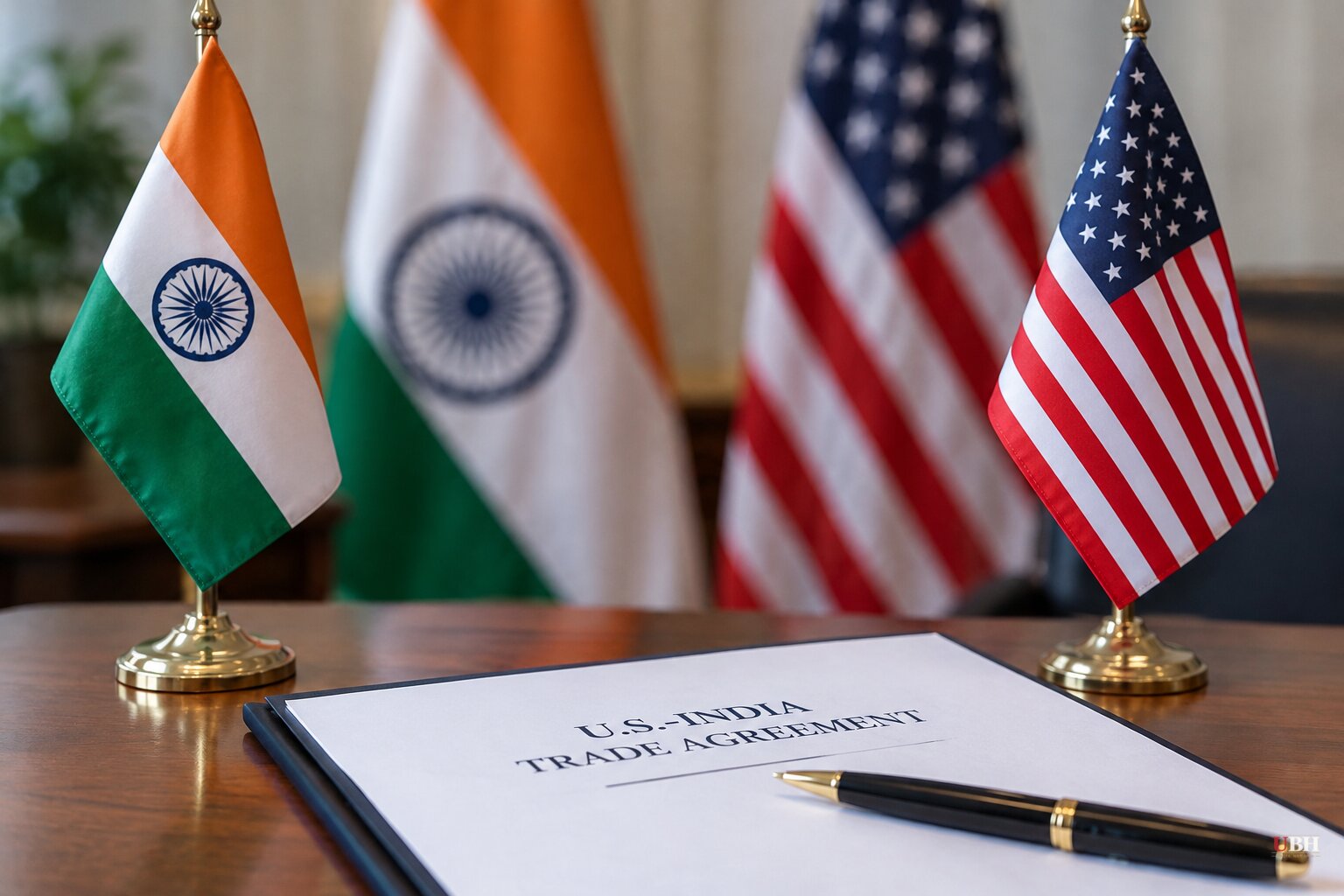
Since Indian officials said this week that Washington has promised New Delhi lower tariffs than its rivals, with a March 2027 target for the first phase, the most senior public word yet has come from the foreign minister. External Affairs Minister S Jaishankar said Saturday, Nov. 14, that the two countries have sorted out the bulk of the issues and are in the final stretch.
Speaking at the HT Leadership Summit in Delhi, Jaishankar said the talks are approaching the "finishing line."
"Well, it's certainly our hope, and in many ways anticipation that we are at the last stretch. That's not a secret," he said. He added: "The hope is that we should close it out soon. It's always the case that in that last period, everybody's impatient."
Who still has to move
Jaishankar put the remaining friction mostly on the American side of the table. "There is the last stretch of issues and in many cases these concerns are not so much at our end, because the changes have been more at the American end than our end," he said.
That is his characterization. The U.S. has not responded to it, and he did not say which changes he meant.
He described the talks as slow by design. "If you are serious, you go tariff line by tariff line. That takes time. Now we've done it the painstaking way," he said.
What India says it wants
Jaishankar said India wants a deal that is "beneficial, it is balanced and which would give us a comparative advantage over groups of comparable economies." That matches what a senior Indian Commerce Ministry official said earlier this week about Washington's assurance of a tariff edge over competitors.
He also drew a contrast with India's earlier trade agreements. "Many of our early deals were done with Asian economies and many of those Asian economies were actually competitive economies. The gains which people expected from those FTAs did not exactly materialise," he said. He called the U.S. India's biggest market and said an agreement with the world's largest economy would benefit both countries.
The two governments have been negotiating since early 2025 to settle tariff disputes, cut non-tariff barriers and widen market access. No rates or deal text have been published, so the size of any Indian advantage over rivals is still unknown. Indian officials have also said India is waiting on the outcome of an investigation by the Office of the U.S. Trade Representative, which could bear on the tariff picture.
Working-level talks continue
Commerce Secretary Rajesh Agrawal has confirmed that a two-person U.S. team visited India on Nov. 2 and 3 to discuss customs regulations and trade facilitation. The legal framework for the final agreement is planned to include a dedicated section on customs and trade facilitation.
The first phase is expected to focus on goods, with services to be taken up later. India wants that phase done by the end of the fiscal year in March 2027, and the wider Bilateral Trade Agreement would continue to be negotiated afterward.
U.S. Secretary of State Marco Rubio said in Mumbai last month that both sides were very close to firming up the deal.
The December test
Jaishankar spoke a month before Prime Minister Narendra Modi's likely trip to the United States for the G20 Summit, scheduled for Miami on Dec. 14 and 15. Modi and President Donald Trump may meet on the sidelines to review ties and the trade talks.
There has been speculation that the deal could be announced after that meeting. No formal timeline has been confirmed by either government, and the Modi trip itself is described as likely, not final.
The open questions are specific. Washington has not said which tariff rates India will face, how large the advantage over competitors will be, or whether the Miami meeting will produce a signed first phase or only another statement of progress.
Sources used for this briefing
7 links from 7 independent newsrooms (syndicated copies of the same report count once)
These are the sources it draws on, linked so you can verify.


