
Original briefings. Zero spin.
Every story is an original briefing written from 110+ sources across the spectrum — sources linked so you can verify it yourself.
 defense
Major Story (8/10)
September 5, 2026 at 04:29 AM
defense
Major Story (8/10)
September 5, 2026 at 04:29 AM
Israeli Strikes Kill Up to Five in South Lebanon as June Ceasefires Keep Falling Apart
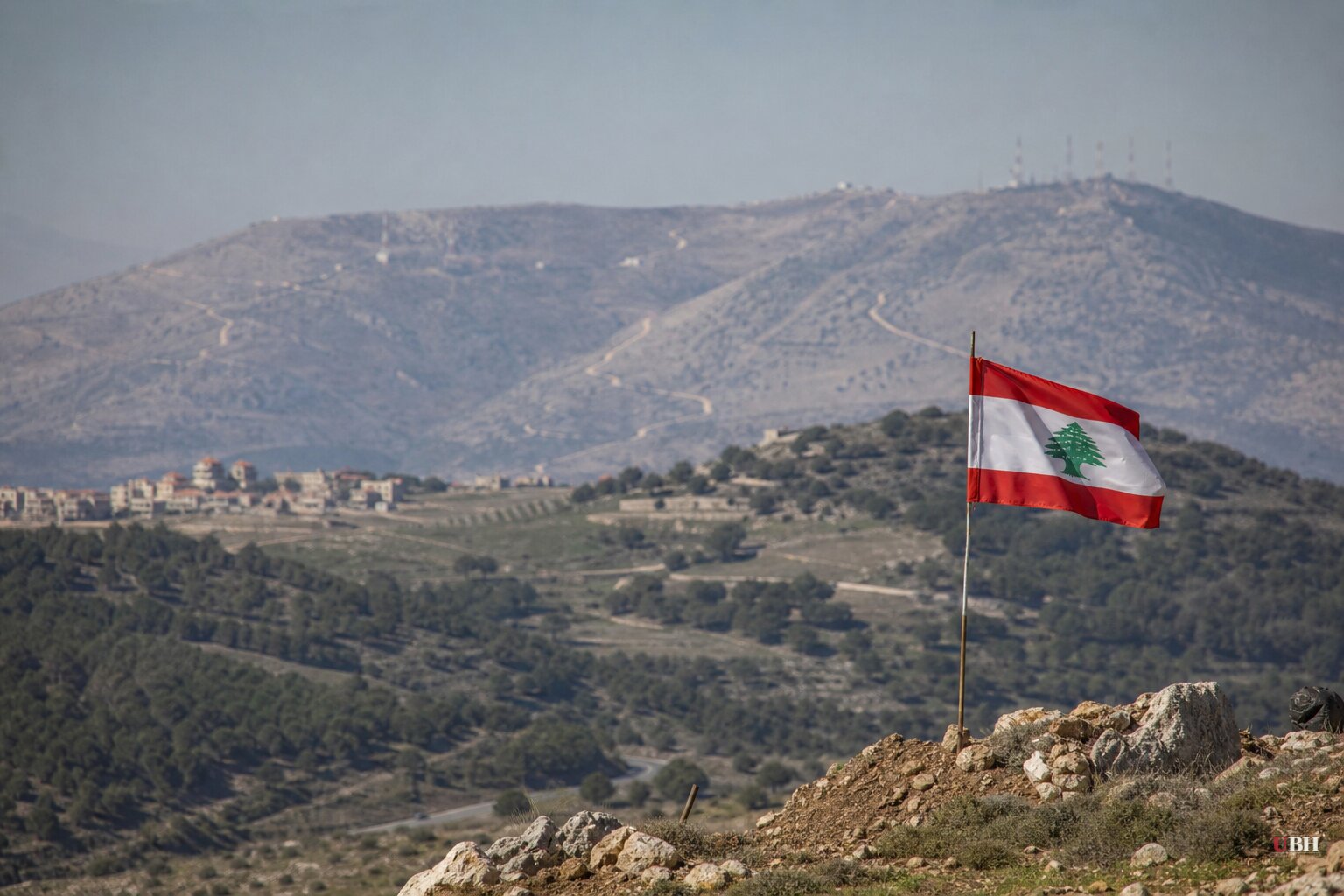
Since the latest Israeli escalation against Hezbollah began March 2, Israeli strikes on Lebanon have killed more than 4,000 people and wounded over 12,000, according to Lebanese authorities cited by Al Jazeera and Anadolu Agency. Friday, September 4, added another cluster of deaths to that tally, even though Israel and Hezbollah have operated under two US-brokered truce agreements since June. The death count from Friday's strikes varies by outlet. Al Jazeera reported two people killed when an Israeli strike hit a motorcycle in Kfar Reman, near Nabatieh. Channel NewsAsia and the Egyptian Gazette both put the toll at three killed and 23 injured across five strike locations in the Tyre and Nabatieh regions and the Bekaa Valley. Anadolu Agency reported the highest count, five killed and 24 injured, breaking it down by location: two men killed in a drone strike near the Engineers' Syndicate building in Nabatieh, two more in the town of Kfar Rumman, and one person killed in a strike on a home in Ramadiyeh, in the Tyre district, that also wounded 15 people including two children, three women and six paramedics. The strikes centered on the Ali al-Taher ridge, a piece of high ground overlooking a wide swath of southern Lebanon that Israel announced Thursday, September 3, it had captured. Israeli Defense Minister Israel Katz said Friday that troops had cleared Hezbollah fighters embedded in tunnels underneath the ridge and vowed the military would work to keep Hezbollah from reestablishing a presence there. Israel's military said the broader wave of Friday strikes, which also hit al-Mansouri, Majdal Zoun, Buyout al-Sayyad, Beit Lif, Srebbine, Zawtar al-Sharqiyah, Mayfadoun and other towns, came in response to Hezbollah launching a drone at Israeli forces operating inside what Israel calls the security zone south of the Yellow Line. Hezbollah did not immediately respond to that claim, according to Anadolu. Israel is holding a strategic ridge it says was riddled with Hezbollah tunnels. Israel says Hezbollah fired a drone at its own troops first. It is acting under a June 26 framework that ties any Israeli withdrawal to Hezbollah's disarmament, not the other way around. Katz and Israeli officials frame the ridge operation as finishing a job the March campaign started, not as a new war. Lebanon's counter-case is that two separate ceasefires, one from June 4 and a follow-up framework from June 26, haven't stopped the killing. The June 4 truce required a complete halt to Hezbollah fire and a Hezbollah withdrawal from south of the Litani River. The June 26 deal didn't require Israeli forces to leave at all. Imran Riza, the UN's humanitarian coordinator for Lebanon, posted on X Friday that families returning to Nabatieh after the truce "face widespread destruction, lack of basic services, ongoing insecurity and uncertainty." More than one million people have been displaced from their homes since March, according to Lebanese authorities. The Egyptian Gazette, citing Reuters reporting from Thursday, noted that Iran had warned the United States last month it would respond forcefully if Israel attacked Hezbollah positions around the ridge. That warning has not yet produced a visible Iranian response, and no source in this reporting confirms Tehran has acted on it. On the same day as the strikes, Israel handed over four Lebanese detainees to Lebanese authorities through the International Committee of the Red Cross, a day after releasing a fifth. Al Jazeera reported that release came as part of a separate prisoner arrangement between the two countries, unrelated to the strikes. No ceasefire monitoring body has publicly ruled on whether Friday's strikes violated the June agreements, and neither the June 4 nor June 26 texts have been made fully public in a form that would let outside observers adjudicate the dispute. Whether the Ali al-Taher ridge stays under Israeli control, and whether Hezbollah tries to retake it, is the open question that will determine if these near-daily strikes keep happening into the fall.
Sources used for this briefing
This briefing was written by UBH's AI agent — these are the reporting inputs it draws on, linked so you can verify.


