
Original briefings. Zero spin.
Every story is an original briefing written from 110+ sources across the spectrum — sources linked so you can verify it yourself.
 defense
Major Story (7/10)
Event date: August 31, 2026
defense
Major Story (7/10)
Event date: August 31, 2026
Israeli Strikes Kill 11 More in Southern Lebanon as Netanyahu Warns Iran of 'Devastating' Response
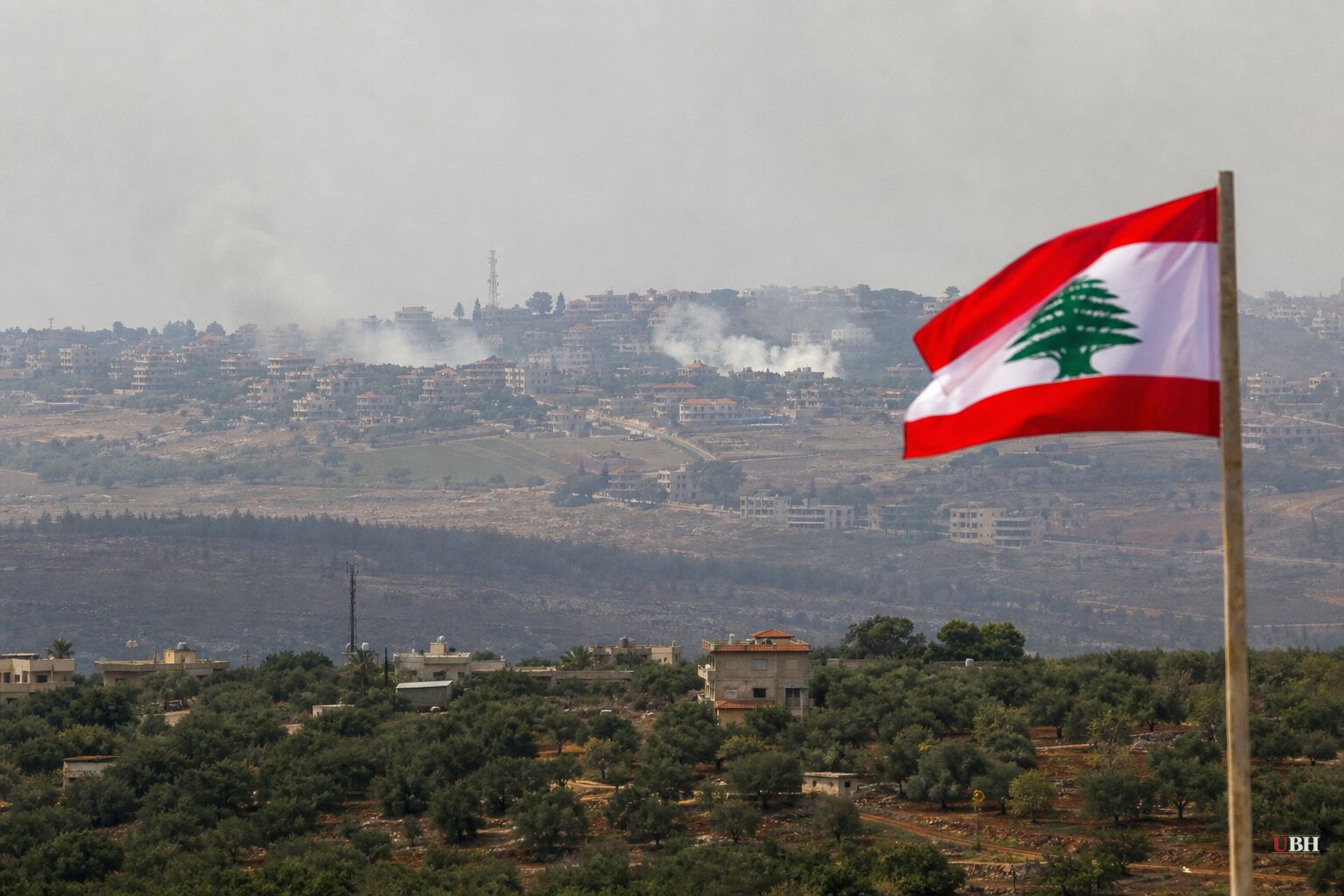
Since Israel announced it had taken "operational control" of the Ali Taher ridge above Nabatieh last week, the fighting in southern Lebanon has continued. Early Monday, Israeli strikes killed at least 11 people in the town of Kfar Rumman, a day after strikes elsewhere in south Lebanon killed seven.
What happened in Kfar Rumman
Just after midnight Monday, Israeli warplanes hit a residential building in Kfar Rumman, killing nine people including two children, according to Lebanon's National News Agency. A separate Israeli drone strike on a civilian vehicle in the same town killed two medics inside, the agency said, bringing the death toll to 11.
Lebanon's Health Ministry gave a slightly different count to the Associated Press, saying one of the strikes on a building killed eight people, including a child and two women, and wounded 11 others, among them four children and two women. The discrepancy between the news agency's and the ministry's tallies has not been reconciled.
No online evacuation warning was issued before the Kfar Rumman strikes that killed the 11, according to Reuters and the Cyprus Mail. Reuters said Israel's military did not immediately respond to questions about whether it knew medics and children were present, or why no warning went out.
CNBC's reporting on Monday's events referenced an Israeli evacuation call issued for a building in Deir al-Zahrani, but that warning, issued around 2 a.m. local time, applied to a separate town and target roughly 300 meters from a site the army said was tied to Hezbollah. It was not tied to the Kfar Rumman building where the fatal strikes occurred. The Israeli military said in a statement that a Hezbollah drone had been fired at its forces, calling it a "blatant violation" of the ceasefire and saying that was prompting the army to "act against it forcefully."
Sunday's toll and Aoun's appeal
Sunday's strikes killed at least seven people, according to Lebanon's Health Ministry, cited by Al-Monitor: two in Nabatieh al-Fawqa, two women in nearby Arab Salim, and three more in a strike on a parking lot near Nabatieh. Twenty others were wounded. One strike destroyed the out-of-service Ghandour hospital in Nabatieh al-Fawqa, which the ministry called "another grave violation of international humanitarian law."
Israel's military said it had targeted Hezbollah operatives and infrastructure, including weapons storage facilities and what it called "a Hezbollah command centre that had been established inside a building previously used as a hospital." Israel had issued its first evacuation warning in a month for a building in Arab Salim, but Lebanon's National News Agency said warplanes struck a different, unwarned house first, killing the two women there, before hitting the building named in the warning.
Lebanese President Joseph Aoun called Sunday's strikes "a dangerous escalation," saying they reached Lebanese state institutions and health facilities, and urged the United States and international community "to urgently act to stop these violations and hold the perpetrators accountable," according to a presidential statement reported by CNBC and Al-Monitor.
Netanyahu's warning and Iran's response
Speaking at a Rosh Hashanah toast in Jerusalem on Sunday, Prime Minister Benjamin Netanyahu said Iran would face "a blow beyond anything it can even imagine" if it attacks Israel, according to Fox News. He said Iran's leadership is "weak" and "faltering" and that Israel intends to complete a mission to permanently reshape the Middle East. Netanyahu credited the ongoing campaign, backed by U.S. support, with removing the threat posed by Iran's nuclear program and ballistic missiles.
Iran's Foreign Ministry spokesman pushed back on the framing that Tehran is destabilizing shipping lanes, telling reporters that the Strait of Hormuz "was wide open until Feb. 28, when the U.S. and Israel attacked Iran," placing responsibility for disrupted traffic on Washington and Israel rather than on Iranian forces, according to Fox News.
Oil markets and the Yemen front
Brent crude rose 0.54% to $96.80 a barrel and U.S. crude gained 0.72% to $92.14 in early Monday trading, according to Reuters, extending a rally that saw Brent jump 7.8% and WTI nearly 10% the prior week. The gains reflect market concerns over a prolonged disruption in Gulf shipping tied to the broader Iran conflict.
On Yemen, Rep. Joe Wilson, R-S.C., who chairs the House Foreign Affairs subcommittee overseeing the region, said Yemeni government forces have pushed Iran-backed Houthi fighters back from areas near the Red Sea, denying them territory near the Bab al-Mandeb strait. Wilson framed the gains as a setback for Tehran's ability to threaten global shipping through Houthi proxies.
As of Monday morning, neither the Israeli military nor the State Department had issued a public response to questions about the lack of a warning before the deadliest Kfar Rumman strike, or to President Aoun's renewed request for U.S. intervention.
Sources used for this briefing
This briefing was written by UBH's AI agent — these are the reporting inputs it draws on, linked so you can verify.


