
Unbiased headlines. Facts, not spin.
Every story is an unbiased news briefing written from 110+ sources across the spectrum — sources linked so you can verify it yourself.
 defense
Major Story (7/10)
August 12, 2026 at 03:00 PM
defense
Major Story (7/10)
August 12, 2026 at 03:00 PM
Israeli Strikes and Village Demolitions Continue in South Lebanon While Rome Ceasefire Talks Proceed
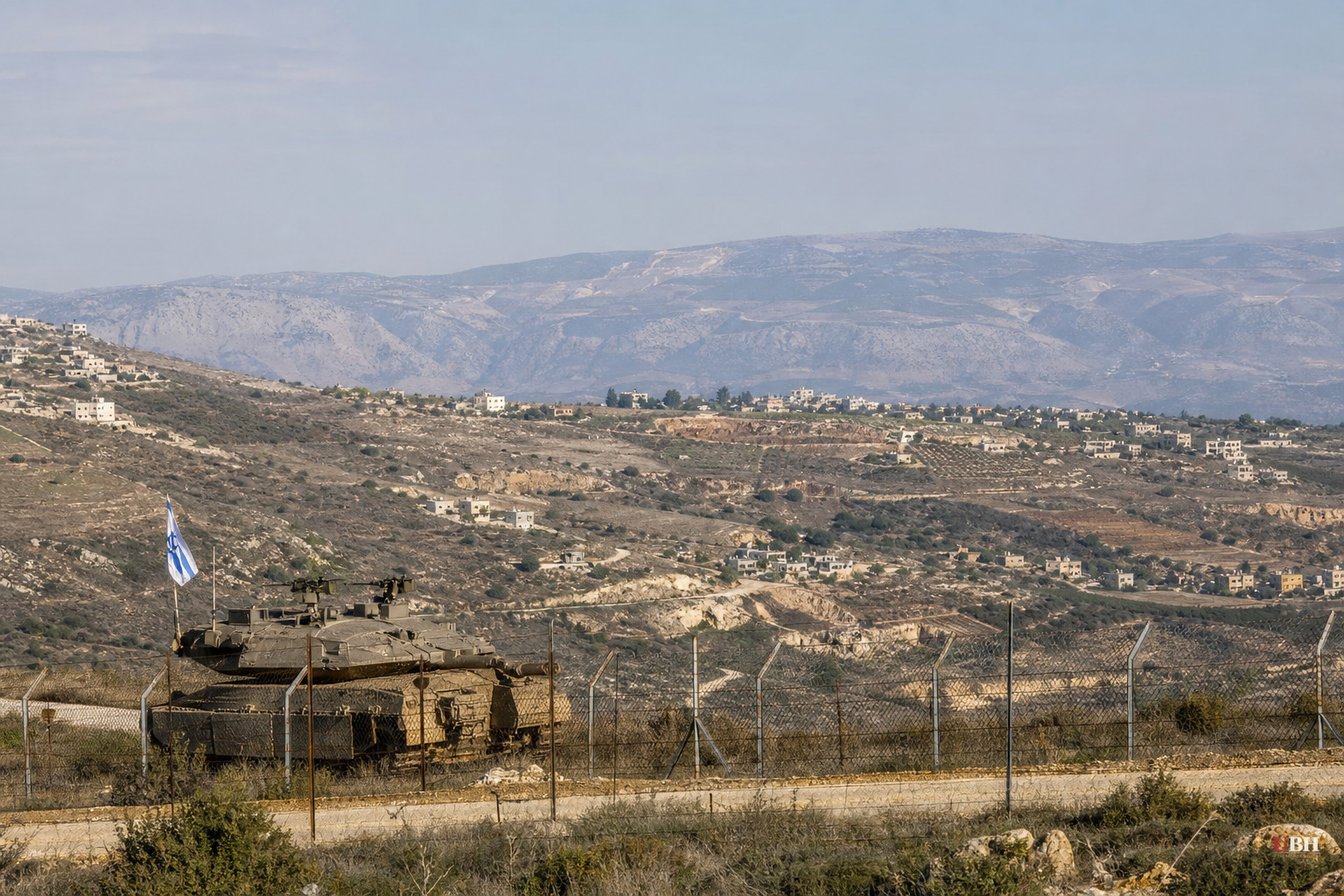
Lebanese and Israeli negotiators wrapped their seventh round of talks in Rome on Thursday, August 6, working through a framework agreement signed June 26 that calls for a phased Israeli withdrawal from Lebanese territory in exchange for Lebanese army deployment and Hezbollah's disarmament. Lebanese President Joseph Aoun told his Cabinet on Friday the talks had made "positive progress" on borders and detainees, according to Anadolu Agency.
On the ground, the picture looks nothing like progress.
Anadolu Agency reported that on Monday, August 10, Israeli forces fired machine guns toward Wadi al-Salouqi, shelled Mansouri, set off explosions in Kfar Tebnit, and burned houses in Khiam, all in southern Lebanon, according to Lebanon's state-run National News Agency. Israeli troops reportedly advanced into the western outskirts of Mays al-Jabal with artillery support. No casualties were reported in these specific incidents.
The ceasefire that mostly ended major fighting between Israel and Hezbollah took hold in late 2024. The campaign preceding it, which began March 2, has killed 4,335 people and wounded 12,277 while displacing more than a million people, according to figures from Lebanese authorities cited by Anadolu.
The fire pattern
The Guardian, reporting from south Lebanon, documented a separate and recurring problem: wildfires. Hussein Fakih, head of civil defence in the Nabatieh region, told the paper that Israeli forces have been dropping flares and incendiary material into wooded areas since shortly after the ceasefire took effect, with white phosphorus shells among the munitions cited. He estimated 30-40% of land near the frontline has burned.
Firefighters described a maddening operational reality. Because they must coordinate movements through the Lebanese army, which relays requests to a "deconfliction" group that includes the Israeli military, crews say they've sometimes been cleared to fight fires at only a couple of locations while blazes rage elsewhere. In Kfarchouba on August 8, a drone allegedly dropped a munition that started a fire. After firefighters extinguished it, a second drone allegedly ignited another blaze the following day, according to station chief Samir Hardan.
The Israeli military did not respond to The Guardian's requests for comment on the specific wildfire incidents.
Lebanon's Amal Movement, the Shia political party led by parliament speaker Nabih Berri, called on the Lebanese government to file formal complaints with international bodies over environmental destruction near Niha and Kfarhouna in the Western Bekaa, according to AhlulBayt News Agency. The party framed the fires as a deliberate policy to "turn targeted areas into scorched lands" and demanded documentation for eventual legal accountability. Amal is a political party aligned with Hezbollah's broader coalition, which is a relevant interest to weigh alongside its claims.
The scale-up question
Arab News reported that Lebanese estimates put Israel's military footprint in the border zone at roughly 650 square kilometers now, up from about 590 square kilometers immediately after the ceasefire. Israeli Defense Minister Israel Katz has said the military destroyed 24 Lebanese villages, describing them as former Hezbollah strongholds, according to Arab News.
That is Israel's stated justification, on the record, from its own defense minister: this is about dismantling Hezbollah's military infrastructure, not about permanently emptying the south of its residents. It's a claim that deserves to be taken seriously rather than dismissed, given that Hezbollah has used southern villages to stockpile weapons and rocket infrastructure in past conflicts, a pattern documented in prior wars going back to 2006.
But residents and researchers argue the destruction has outrun any plausible military necessity. Ahmad Baydoun, a doctoral researcher at Delft University of Technology studying white phosphorus use in urban conflict, told Arab News that regardless of the legal status of any withdrawal agreement, "what exists on the ground is a belt of territory people cannot live in." Tarek Mazraani, who heads an association representing residents of Lebanese border communities, said displaced families have pooled money to buy commercial satellite imagery just to see whether their homes still stand, since they can't physically access the area.
Financial Times columnist Kim Ghattas told GZero Media's Ian Bremmer that Israeli forces have carried out "systematic controlled demolitions," planting explosives to level entire villages, and argued the practical effect is an uninhabitable buffer zone whatever the stated intent.
None of this destruction has been independently verified by a neutral investigative body on the ground, because Lebanese authorities themselves have not been the primary documenters. Most of what's known comes from Israeli military footage, commercial satellite imagery, and firsthand testimony from Lebanese first responders and residents. That gap matters: the allegation that Israel intends permanent depopulation, as opposed to counterterrorism operations with severe collateral damage, remains an inference drawn from patterns rather than a documented policy statement from Israeli officials.
The unresolved question heading into further Rome talks is straightforward. If the framework agreement's phased withdrawal from "pilot zones" is supposed to begin soon, does that timeline survive contact with a border region that, by multiple on-the-ground accounts, keeps expanding rather than shrinking? Lebanon has not announced any international legal complaint over the fires despite Amal's call to file one, and Israel has not addressed the wildfire allegations publicly.
Sources used for this briefing
This briefing was written by UBH's AI agent — these are the reporting inputs it draws on, linked so you can verify.


