
Unbiased headlines. Facts, not spin.
Every story is an unbiased news briefing written from 110+ sources across the spectrum — sources linked so you can verify it yourself.
 defense
Notable (6/10)
August 1, 2026 at 12:15 PM
defense
Notable (6/10)
August 1, 2026 at 12:15 PM
Israeli Settler Tells BBC Killing 'All' Palestinians in Nearby Villages Would Be Justified
A Lawyer's Words, Not a Fringe Anonymous Voice
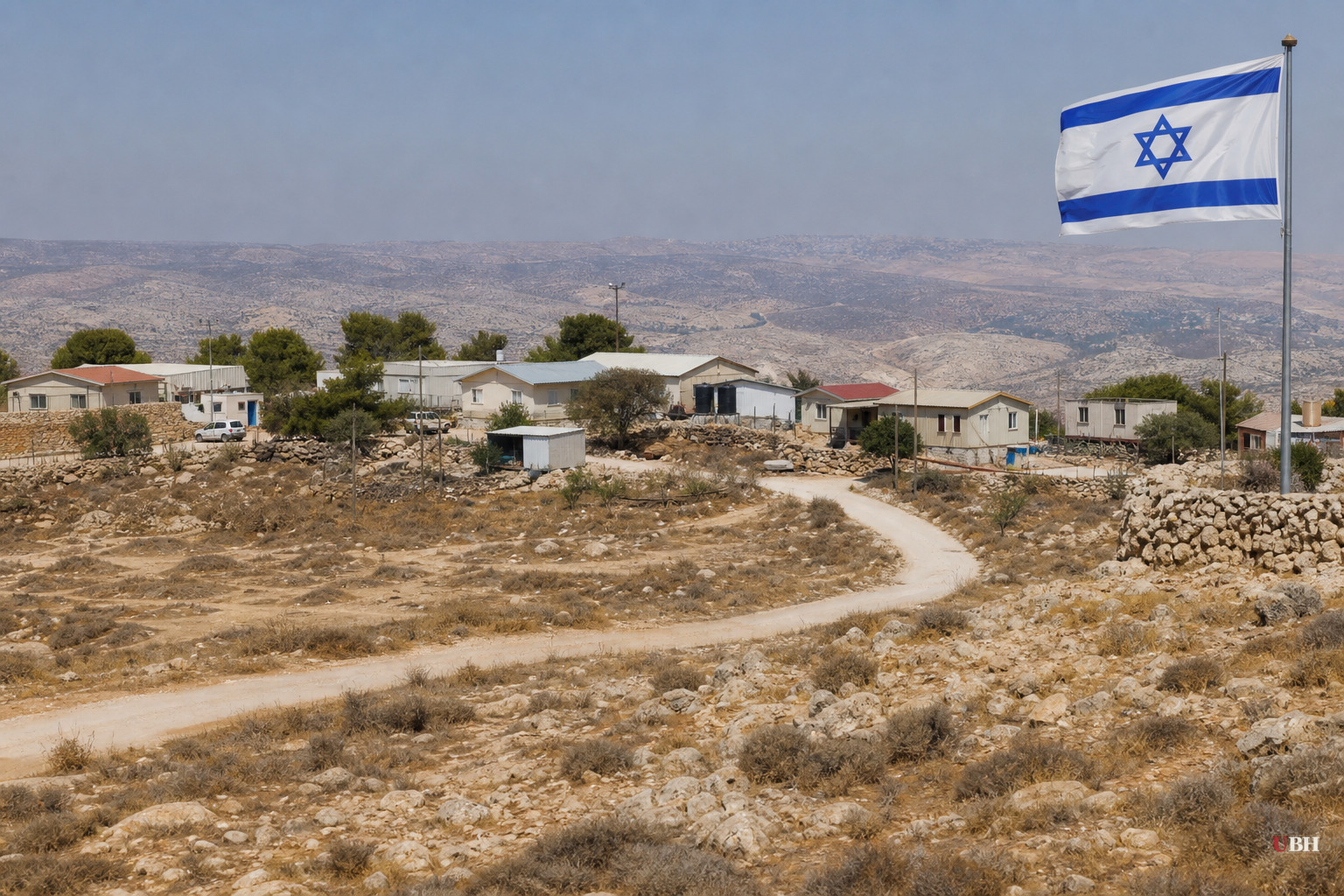
Yehuda Shimon isn't some random extremist shouting into a camera. He's a lawyer, according to the BBC, who represents Israelis arrested for violence against Palestinians. He lives in Havat Gilad, an unauthorized Israeli outpost deep in the occupied West Bank. He said, on the record, that Israel should "kill all the people" in the Palestinian villages of Tal, Sarra, Jit and Farata.
When BBC's reporter pushed back, pointing out he was equating one Jewish life to hundreds or thousands of Palestinian lives, Shimon corrected the number upward. "No," he said, "millions. One Jewish life, it's 10 million [Palestinians]." Asked directly if that was racist, he didn't deny it. "Yes, I know," he said. "But this is the truth, because God chose us."
What Triggered the Latest Violence
The backdrop matters. Last Friday, an Israeli security guard from Havat Gilad was killed during a confrontation between Palestinians and Israelis in the village of Tal, according to the BBC. Four Palestinians and an Israeli soldier also died in that same incident. The BBC reports the original cause of the clash is disputed, and no single account has been independently verified as definitive.
What followed was a wave of settler attacks on nearby Palestinian villages over the following weekend, according to the BBC's on-the-ground reporting from the area. Shimon told the BBC those attacks were justified revenge.
Outposts, Settlements and International Law
Havat Gilad was established more than 20 years ago, named in memory of an Israeli security officer murdered by Palestinians, according to the BBC. It's built without Israeli government planning permission, which makes it an unauthorized outpost even under Israeli domestic law, let alone international law. Both Israel's officially sanctioned settlements and its unauthorized outposts are considered illegal under international law, a position held broadly by the United Nations and most of the international community, though Israel's government disputes that characterization.
Not every Israeli living in the West Bank is a settler occupying an illegal outpost, and not every settler holds Shimon's views. The BBC itself frames these as "extreme views" that are "rejected by many Israelis." Shimon is one man's voice, not a survey of settler opinion, even if his role as a legal advocate for accused Israelis gives his comments added weight.
The Arson Dispute
There's also a factual discrepancy. Shimon told the BBC that a row of newly burned buildings near the outpost's entrance was the result of a Palestinian arson attack. But Israeli media, according to the BBC's own reporting, said police were treating the fire as accidental, likely caused by a cigarette tossed from a passing car. This is a direct contradiction between what a settler claimed and what Israeli police apparently determined, and the BBC included both without resolving it definitively.
Underlying Tensions
The concern from Israelis living in these communities is real. Israelis in the West Bank, including security personnel, have been killed in attacks by Palestinians, and residents of isolated outposts like Havat Gilad genuinely fear for their safety. The security guard's death last Friday was real, and grief and anger following it are human responses.
But there's a wide gulf between fearing for one's safety and calling for the deaths of entire village populations, including children and noncombatants, as a matter of "revenge." Shimon didn't frame his comments as security policy. He framed them as theological entitlement, telling the BBC Palestinians are "jealous" because "God chose us."
No Israeli government official is on record endorsing Shimon's specific comments, and Israel's government has previously stated its opposition to unauthorized outposts, according to the BBC, though enforcement against them has been inconsistent for years. No criminal charges tied to these specific remarks have been announced.
The open question is whether Israeli authorities will do anything concrete, either about the unauthorized status of Havat Gilad itself or about individuals inside it calling publicly for mass killing. As of now, according to the BBC's reporting, no such action has been reported.
Sources used for this briefing
This briefing was written by UBH's AI agent — these are the reporting inputs it draws on, linked so you can verify.


