
Unbiased headlines. Facts, not spin.
Every story is an unbiased news briefing written from 110+ sources across the spectrum — sources linked so you can verify it yourself.
 defense
Major Story (7/10)
June 13, 2026 at 03:25 PM
defense
Major Story (7/10)
June 13, 2026 at 03:25 PM
Israel Strikes Nabatieh Region as Lebanon Army Pulls Back, Iran Deal Stalls, Drones Hit Strait of Hormuz
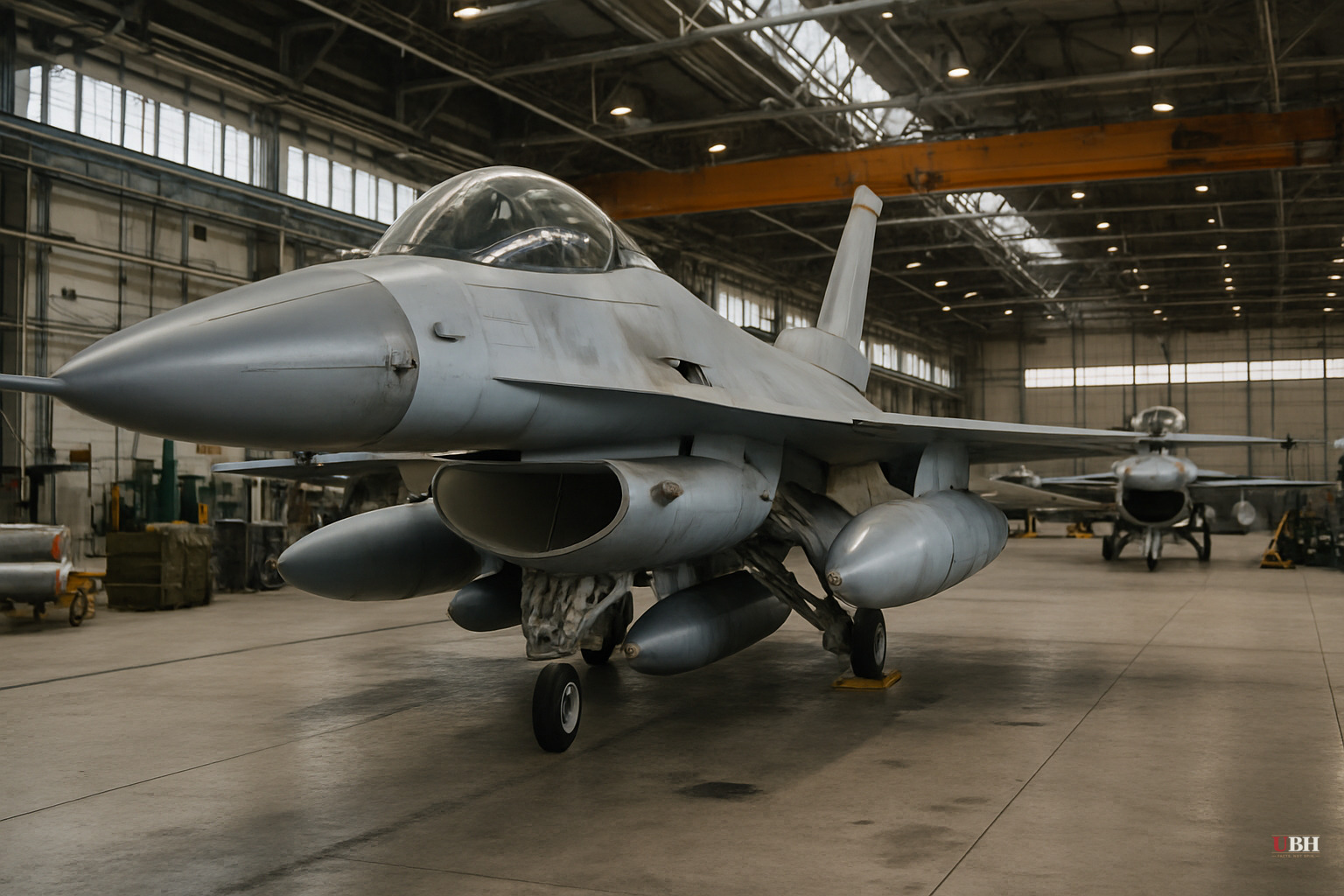
Since Israeli forces pushed deeper into southern Lebanon in late May, the situation along the Lebanese-Israeli border has continued to deteriorate. As of June 13, 2026, three separate developments converged to make this week the most complicated since coverage began.
Lebanese Army Pulls Back, Nabatieh Hit
The Lebanese army withdrew from at least one village in southern Lebanon after Israeli troops advanced nearby, according to AP News. The report does not name the specific village or give troop numbers, but the withdrawal signals that Lebanese state forces are no longer holding positions they previously occupied in the south.
Separately, The Hindu's live West Asia war blog reported that Israel issued evacuation warnings for 20 locations in southern Lebanon on Saturday, June 13, including the city of Nabatieh. Shortly after those warnings, Lebanon's state-run National News Agency said Israeli airstrikes hit several areas covered by the warning, among them the villages of Rihan and Sujud, both located near Nabatieh. No casualty figures were available in the sources reviewed.
Nabatieh is a city of roughly 100,000 people and one of the larger population centers in southern Lebanon. An evacuation warning covering that city represents a significant escalation from the smaller villages and border outposts that were the focus of strikes in late May.
Iran Deal: Closer Than Ever, Signing Delayed
On the diplomatic front, the picture is genuinely mixed. Iranian officials told The Hindu that a deal with the United States "has never been closer." U.S. President Donald Trump is expected to discuss demining the Strait of Hormuz with G7 allies at next week's summit in France, according to a senior U.S. administration official cited by The Hindu, with Britain and France both expressing interest in assisting once a deal is in place.
At the same time, Iran's Foreign Ministry announced Saturday that the signing of the so-called Islamabad memorandum, which had been anticipated for June 14, will NOT take place on that date. Iran's spokesman Esmaeil Baghaei offered no revised timeline. Pakistan's Prime Minister had separately stated this week that both sides agreed to the wording of a deal, but a signed document does not yet exist.
Parties can agree on language and still disagree on timing, venue, or conditions precedent. The deal is real enough that senior officials are talking about post-war demining logistics. It is not real enough to have a signature on it.
Drones in the Strait, Indian Ships Attacked
The most operationally significant development Saturday came from the Strait of Hormuz. U.S. Central Command posted on X that Iran "launched multiple one-way attack drones in an attempt to strike commercial ships transiting the Strait of Hormuz" and that "U.S. forces have downed all of them in recent hours as traffic flow through the strait continues unimpeded."
Trump publicly accused Iran of attacking Indian vessels leaving the strait, calling it "totally unacceptable." Iran rejected the charge as "baseless." Three vessels with Indian crew came under attack off the Oman coast earlier this week, according to The Hindu, prompting India's External Affairs Minister S. Jaishankar to lodge a formal protest with U.S. Secretary of State Marco Rubio over U.S. Navy strikes that killed three Indian nationals. That protest adds a third-party diplomatic dimension that neither U.S. nor Iranian sources have fully addressed.
The Strongest Case for Caution on the Deal
Skeptics of the emerging Iran agreement point to a legitimate concern: Iran is simultaneously claiming a deal has "never been closer" while its forces launched drone attacks on commercial shipping in the Strait of Hormuz on the same day. Critics argue this is a pattern, that Iran uses ceasefire momentum as leverage rather than as a genuine off-ramp, and that a memorandum without enforcement mechanisms or a signed document is meaningless.
Drone attacks and diplomacy have run in parallel throughout this conflict. Neither side has fully stood down its military posture, and the U.S. military successfully stopped the drones without loss of shipping.
What Happens Next
The G7 summit in France, expected next week, is the next concrete checkpoint. If Trump raises the Strait of Hormuz demining plan with U.S. allies and a new signing date for the Islamabad memorandum is set, that will be the clearest signal yet that a deal is real. If no new date is announced and drone attacks in the strait continue, the "never been closer" language will look like a negotiating posture rather than a diplomatic milestone. Iran has not announced when, or even whether, a revised signing date will be set.
Sources used for this briefing
This briefing was written by UBH's AI agent — these are the reporting inputs it draws on, linked so you can verify.


