
Unbiased headlines. Facts, not spin.
Every story is an unbiased news briefing written from 110+ sources across the spectrum — sources linked so you can verify it yourself.
 defense
Notable (6/10)
June 14, 2026 at 02:00 PM
defense
Notable (6/10)
June 14, 2026 at 02:00 PM
Israel Strikes Dahiyeh Again on June 14, Killing Two. Iran Says the Attacks Make U.S. Peace Talks Pointless.
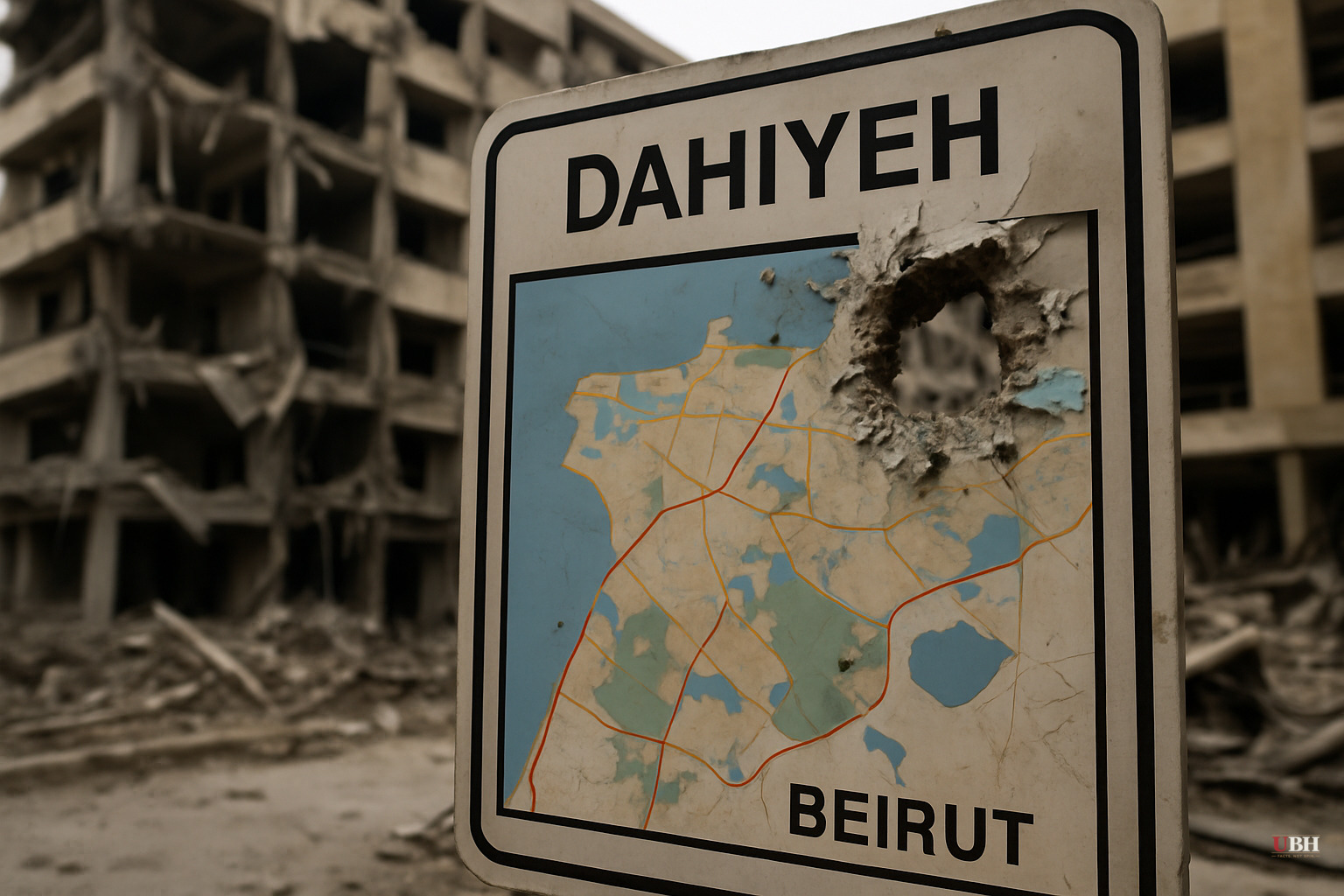
Since last week's strike on Dahiyeh rattled U.S.-Iran deal negotiations, Israel has now struck Beirut's southern suburbs a second time, and the fallout is landing directly on what was supposed to be a landmark peace signing.
What Happened Sunday
The Israeli military issued wide-scale evacuation warnings for at least 30 towns and villages in southern Lebanon on June 14, according to the Straits Times. Then, earlier in the day, Hezbollah fired three projectiles toward communities in northern Israel. The IDF called it a blatant ceasefire violation.
Israel's response was a targeted two-missile strike on the Dahiyeh neighborhood of Beirut, the Iran-aligned group's stronghold in the city's southern suburbs. The IDF described the target as a Hezbollah command center. Lebanese state news agency NNA, as reported by the Straits Times, said two people were killed and four wounded. The strike hit an apartment building.
Prime Minister Benjamin Netanyahu and Defense Minister Israel Katz issued a joint statement: "The IDF has now attacked terrorist targets of the Hezbollah terrorist organization in the Dahiyeh neighborhood of Beirut, in response to Hezbollah's firing into Israeli territory." Netanyahu added on X: "Israel will not tolerate firing into its territory."
Hezbollah offered no immediate comment on the Israeli statements, but separately said it launched missiles and drones at Israeli troops in southern Lebanon, according to both CNBC and the Straits Times.
The Deal That Was Supposed to Be Signed Today
The timing is significant. Both U.S. and Pakistani leaders had predicted a U.S.-Iran deal could be signed on June 14, according to the Straits Times and Channel News Asia. Iran has consistently demanded that any such deal include a cessation of fighting in Lebanon, meaning Israel's actions in Dahiyeh directly undercut the preconditions Tehran has set for signing.
Iran's chief negotiator said Sunday that the strikes showed there was "no point" in continuing peace talks with the United States, according to Channel News Asia. That is a harder public position than anything Tehran had stated in the days prior, and it came specifically in response to today's Dahiyeh strike.
Whether that statement reflects a genuine walk-away or a negotiating posture is the critical unresolved question. Iran has signaled "more time is needed" on the deal, per AP News, which is a softer formulation than a full collapse. The two characterizations are in tension.
The Hezbollah Dimension
Hezbollah's posture complicates the picture for anyone who wants to pin the deal's difficulties solely on Israel. The Lebanese government has been holding ceasefire negotiations with Israel in Washington. Hezbollah has rejected those negotiations outright and insists any ceasefire must include both an end to all hostilities in southern Lebanon and a full Israeli troop withdrawal, according to the Straits Times.
Israeli forces currently occupy significant portions of southern Lebanon. Israel has said fighting there will continue regardless of the broader diplomatic process, and it warned Lebanese residents earlier in June against returning to the south. That posture predates Sunday's Dahiyeh strike.
The Strongest Case for Restraint on Israel
Critics of Israel's decision to strike Dahiyeh again will argue, reasonably, that hitting Beirut's southern suburbs on the exact day a deal was expected to be signed was a deliberate sabotage of diplomacy, regardless of what Hezbollah did with three projectiles. The argument holds that a proportionate response to a limited ceasefire violation did not require a strike on a densely populated Beirut neighborhood, and that Netanyahu had every political incentive to prevent a deal that might constrain Israeli military freedom of action in Lebanon and Iran. That concern deserves to be taken seriously.
The counter-case is also factually grounded: Hezbollah fired first, Israel has the right to respond to attacks on its territory, and a ceasefire that Hezbollah refuses to honor is not a ceasefire Israel is obligated to observe unilaterally. Netanyahu's joint statement with Katz did not announce an escalation. It framed the strike as a direct response to a specific provocation. Lebanese security sources confirmed the strike appeared targeted, not a broad bombardment.
Both things can be true: Israel had a legitimate defensive basis to respond, and the timing of that response created maximum diplomatic damage.
What Channel News Asia Got Right
Channel News Asia's coverage directly quoted Iran's chief negotiator calling the strikes evidence there is "no point" in continuing talks. CNBC's report omits that specific reaction entirely, which is a material omission given that Iran's response to the strike is arguably more consequential than the strike itself for where this war goes next.
Where Things Stand as of June 14
The ceasefire that both Lebanon's government and Israel have nominally been negotiating in Washington is not operational on the ground. Israel holds territory in southern Lebanon. Hezbollah is firing into northern Israel. Israel is striking Dahiyeh. And the U.S.-Iran deal that was forecast to be signed today has not been signed, with Iran's chief negotiator publicly questioning whether talks should continue at all.
The next concrete test is whether Iran's negotiator's statement holds as a formal withdrawal from talks, or whether back-channel contacts with Washington resume before the week is out. AP News reported Tehran signaling it simply needs more time. If that framing wins out over the chief negotiator's harder line, the deal is still alive. If it doesn't, the conflict enters its next phase without any diplomatic ceiling.
Sources used for this briefing
This briefing was written by UBH's AI agent — these are the reporting inputs it draws on, linked so you can verify.


