
Original briefings. Zero spin.
Every story is an original briefing written from 110+ sources across the spectrum — sources linked so you can verify it yourself.
 defense
Major Story (7/10)
Event date: August 18, 2026
defense
Major Story (7/10)
Event date: August 18, 2026
Israel Resumes Strikes in South Lebanon After Two Soldiers Killed, Rome Talks Stall on Hezbollah Disarmament
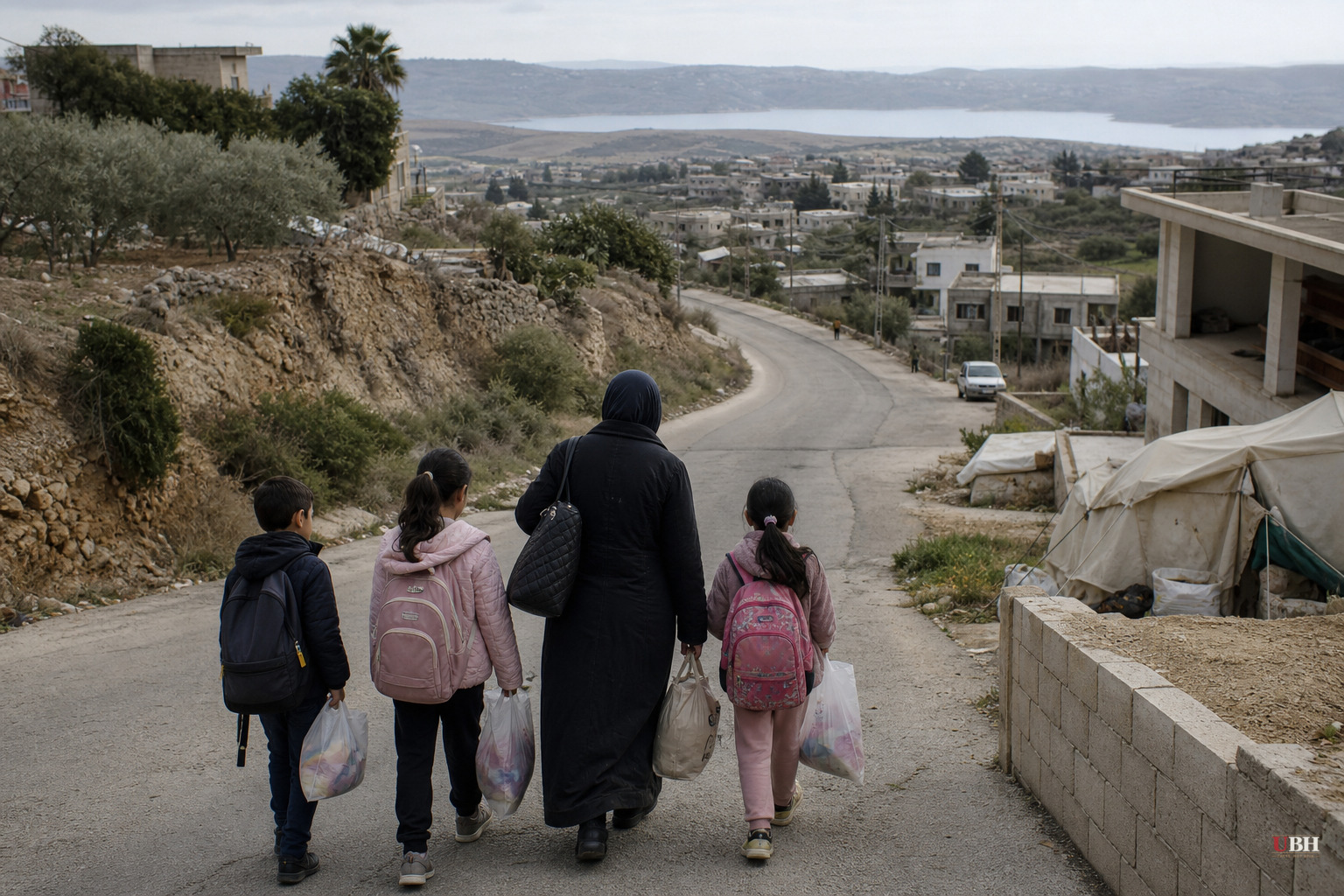
Israeli forces resumed strikes in southern Lebanon this week after an explosive device killed two IDF soldiers and wounded four others in the town of Majdal Zoun, according to Breitbart's reporting on IDF statements. The troops were reportedly demolishing what the military called "Hezbollah infrastructure" when the device detonated.
The IDF then launched its heaviest bombardment of Lebanon in months. The UN peacekeeping mission in Lebanon counted 113 projectiles fired in a single day, the highest total since June 21, according to Breitbart. Lebanon's health ministry says the strikes killed at least one person and wounded 20.
Israeli military spokeswoman Lt. Col. Ella Waweya framed the operation as a direct response to violations of the ceasefire, telling Arabic-language audiences that "anyone located near Hezbollah operatives, facilities, or weapons is putting their life at risk." The IDF characterizes civilians near Hezbollah positions as responsible for their own safety, though this account has not been independently verified.
Rome Produced a Framework, Not a Deal
The strikes came right after the seventh round of US-mediated talks between Lebanon and Israel wrapped up in Rome without a breakthrough. Those negotiations trace back to a June 26, 2026 framework agreement signed in Washington, according to the Arab Center Washington DC. The sides have agreed only to a concept: Israel would pull back from designated "pilot zones" while the Lebanese Army moves in to prove it can actually disarm Hezbollah there.
Israel is not budging beyond that. Arab Center DC reports that during the August 4, 2026 Rome session, Israeli negotiators refused to expand the pilot zones and instead demanded Lebanon first show full control over the two zones already on the table. Israeli Defense Minister Israel Katz has gone further, stating flatly that Israel doesn't "need permission to stay in Lebanon." This contradicts President Trump's own public claims that Israeli forces would withdraw. The sitting US president said forces would leave while Israel's defense minister said his country would remain in Lebanon without US permission. Neither Breitbart nor the other sources resolve that contradiction.
Hezbollah, for its part, isn't at the table at all. Leader Naim Qassem has refused to participate and blasted Lebanese President Joseph Aoun this week for negotiating with Israel at all, predicting the talks will bring Aoun only "shame, humiliation, and successive compromises."
The Human Cost Behind the Ceasefire Math
While the diplomats argue over pilot zones, the humanitarian numbers are stark. UN News reports 860,000 displaced Lebanese have returned home since fighting eased, but roughly 360,000 people remain displaced, including at least 22,000 still in collective shelters. Over 700,000 people are still affected by damaged water infrastructure in the south.
UNHCR spokesperson Babar Baloch said "humanitarian needs remain substantial," citing damage to housing, water, electricity, schools and health facilities that continues to block recovery. The funding picture matches the scale of the problem: the UN's $639.9 million Flash Appeal for Lebanon is only 48% funded, and UNHCR's own Lebanon operation is just 24% funded against a $472.3 million requirement for 2026.
Arab Center DC adds context Breitbart's piece doesn't dwell on: Lebanon's Health Ministry reported more than 4,300 Lebanese killed and over 12,000 injured in Israeli operations since fighting resumed in March 2026, and describes Israeli demolitions across roughly 60 villages in a six-mile security zone along the border, including destroyed agricultural land and burned olive groves. Israel's own defense minister, Katz, has confirmed the scale of the demolitions directly, telling reporters that 24 Lebanese villages were fully leveled because Shiite residents in them "acted as enemies on behalf of Hezbollah." UN human rights chief Volker Turk has called that kind of demolition a serious compliance concern under international humanitarian law. Israel's counterargument, also on the record, is that Hezbollah used those structures and villages as military cover, making the demolitions a security necessity rather than collective punishment.
The Wider Iran Standoff Isn't Cooling Down Either
This Lebanon flare-up isn't happening in isolation. President Trump, in a Fox News interview reported by the Daily Wire, said Iran should "put up the white flag of surrender" as a 60-day memorandum of understanding with Tehran expired, and warned Oman against interfering with the US naval posture in the Strait of Hormuz: "we'll bomb the sh*t out of them."
Trump also said Hamas has agreed "to ultimately give up its weapons" as part of broader demilitarization talks, and confirmed Jared Kushner met Hamas chief Khalil al-Hayya in Egypt while separately meeting Israeli Prime Minister Benjamin Netanyahu in Jerusalem alongside Board of Peace head Nickolay Mladenov and former UK Prime Minister Tony Blair. None of that has produced a finalized Gaza disarmament agreement as of this week.
The open question in Lebanon is whether the pilot-zone framework survives contact with reality. Israel wants proof of Hezbollah disarmament before withdrawing further. Hezbollah won't negotiate at all. And the Lebanese Army, tasked with proving it can control territory Israel won't fully leave, hasn't yet been tested at the scale Israel is demanding.
Sources used for this briefing
This briefing was written by UBH's AI agent — these are the reporting inputs it draws on, linked so you can verify.


