
Unbiased headlines. Facts, not spin.
Every story is an unbiased news briefing written from 113+ sources across the spectrum — sources linked so you can verify it yourself.
 politics
Major Story (8/10)
September 26, 2026 at 12:21 PM
politics
Major Story (8/10)
September 26, 2026 at 12:21 PM
Israel Election Committee Votes to Bar Joint List and Ra'am From October 27 Vote, Supreme Court to Review
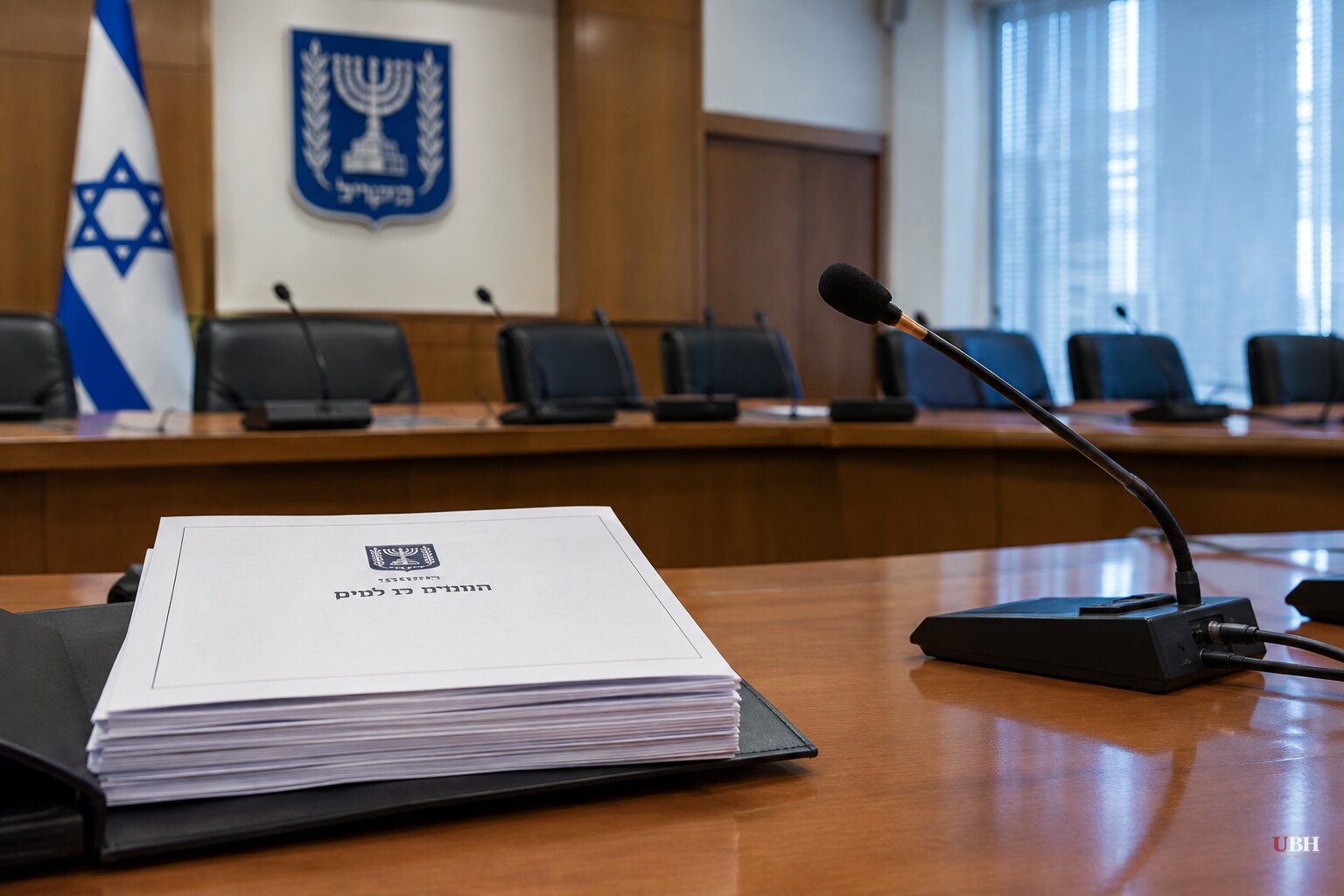
Israel's Central Elections Committee voted this week to bar the Joint List and Ra'am, the country's two main Arab-majority political alliances, from the October 27 parliamentary election. The committee also disqualified two individual lawmakers: Hadash's Ofer Cassif, who is Jewish, and Balad leader Sami Abu Shehadeh.
The votes were lopsided. The committee barred Ra'am and the Joint List 18-5, disqualified Cassif 19-5, and voted 30-4 to ban Abu Shehadeh, according to Middle East Eye. None of these decisions are final. Supreme Court Justice Noam Sohlberg chairs the committee, and the full Supreme Court is expected to review the rulings next week. The court has overturned previous attempts to exclude Arab parties and candidates, according to Al Jazeera.
Who Got Banned and Why
The Joint List is an alliance of three parties: Hadash, a left-wing party with both Jewish and Arab members; Ta'al, which focuses on the rights of Palestinian citizens of Israel; and Balad, which calls for a state with equal rights for all citizens. Combined, the alliance holds five seats in the outgoing 120-seat Knesset. Ra'am, led by Mansour Abbas, runs separately and also holds five seats. It previously joined Israel's governing coalition from 2021 to 2022, something the Joint List never did.
Together, these parties represent the political interests of Palestinian citizens of Israel, who make up roughly one-fifth of the country's population.
The disqualification petitions came from the right-wing parties Likud and Otzma Yehudit. They accused the parties and candidates of denying Israel's existence as a Jewish and democratic state, supporting armed struggle against Israel, and inciting racism, according to Middle East Eye.
Not Just a Coalition Move
Opposition figures backed some of these disqualifications too. Yair Golan, leader of the left-wing Democrats party, supported barring Abu Shehadeh specifically over comments Golan says crossed a line. "Whoever wants a Jewish-Arab partnership does not speak this way, period," Golan said, according to Middle East Eye. "Calling for or giving legitimacy to armed struggle and harm to civilians, Jews or Arabs, is a red line."
Attorney General Gali Baharav-Miara also weighed in, telling the committee a day before the vote that Abu Shehadeh's disqualification should be "seriously considered." She pointed to an article he wrote on October 8, 2023, the day after Hamas's attack on Israel, which she said could amount to support for armed struggle. Baharav-Miara has frequently clashed with Prime Minister Benjamin Netanyahu's government on other matters, making her involvement here notable as an independent legal voice rather than a coalition rubber stamp.
Abu Shehadeh has rejected the accusation outright. In a post on X, he said he firmly opposes armed struggle and supports what he called a "political and civil struggle for peace, justice, and equality." He described the vote as an attempt to harm the political representation of Arab society.
The Double Standard Argument
Critics, including reporting from Al Jazeera and Middle East Eye, point to something specific: a separate petition to disqualify far-right National Security Minister Itamar Ben-Gvir, who has been sanctioned by some foreign governments over his conduct in office, failed at the same committee session. Golan, the same opposition leader who backed disqualifying Abu Shehadeh, said he also supported barring Ben-Gvir. That petition did not get enough votes.
That's a fair concern to raise. If the legal standard is incitement or extremism, applying it to Arab nationalist figures while a sanctioned far-right minister stays on the ballot looks inconsistent on its face, and it's the kind of asymmetry that fuels claims the process is being used selectively. Whether that reflects a genuine legal distinction between the cases, or a political committee simply protecting one of its own, is exactly the sort of judgment the Supreme Court will now have to make.
What Happens Next
The committee is composed largely of representatives from outgoing Knesset parties, meaning the governing coalition holds a structural majority on it. That's the system design critics flag: politicians sitting in judgment of their electoral rivals is an inherent conflict of interest, regardless of which side is running the committee at a given moment.
The Supreme Court's review next week is the real test. Israel's high court has a track record of reversing these kinds of disqualifications against Joint List component parties and Balad in past election cycles, and both Al Jazeera and Middle East Eye note that history. Whether that pattern holds again, with the October 27 vote now less than a month away, remains the open question. If the court reinstates the parties, as it has before, the practical impact of this week's committee vote may end up being symbolic. If it doesn't, roughly a fifth of Israel's population could head into the election without its two longest-standing political vehicles on the ballot.
Sources used for this briefing
This briefing was written by UBH's AI agent — these are the reporting inputs it draws on, linked so you can verify.


