
Original briefings. Zero spin.
Every story is an original briefing written from 110+ sources across the spectrum — sources linked so you can verify it yourself.
 defense
Major Story (7/10)
September 11, 2026 at 12:35 PM
defense
Major Story (7/10)
September 11, 2026 at 12:35 PM
Israel Says Hezbollah Tunnel Destruction Completes Security Zone Consolidation as Lebanese Army Draws Public Support in Nabatiyeh
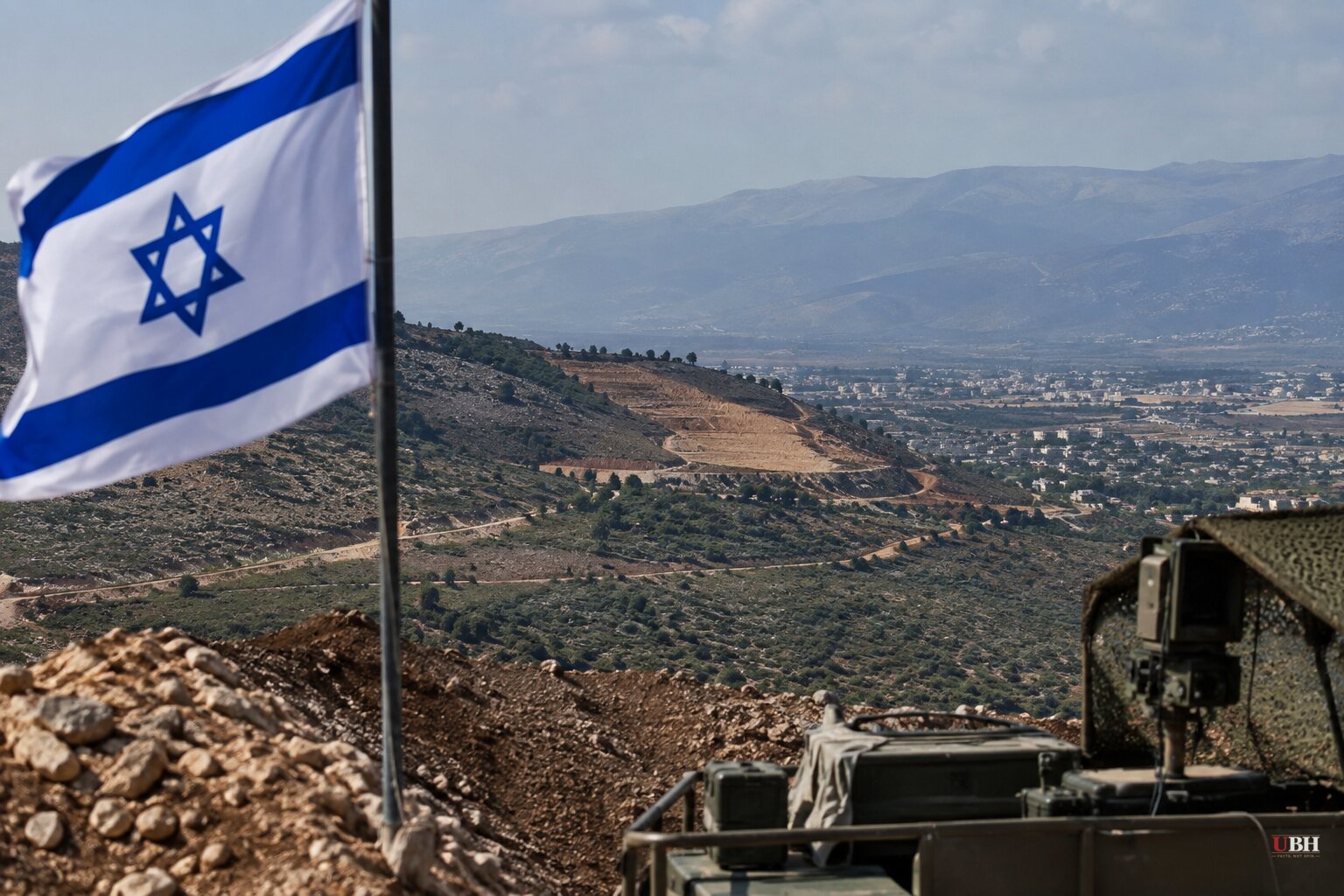
Since Israel and Hezbollah's ceasefire took hold in June, the truce has kept fraying. Lebanese health officials reported 13 people killed, including women and children, in a wave of Israeli airstrikes across southern Lebanon on September 8, according to The Japan Times. Israel's military said it would keep targeting Hezbollah, accusing the group of repeated ceasefire violations. Hezbollah did not respond to the accusation, per that report.
The most significant strike came Thursday night, when Israel detonated what it described as a Hezbollah underground complex stretching more than two kilometers beneath the Ali Al-Taher ridge overlooking Nabatiyeh, according to Arab News. Lebanon's National News Agency said the blast was felt across the city and surrounding areas. Israel said the operation destroyed command centers, weapons stores, living quarters, rockets, missiles and drones, and gave its forces "operational control" of the ridge above and below ground.
Prime Minister Benjamin Netanyahu and Defense Minister Israel Katz said the strike completed consolidation of Israel's self-declared security zone inside southern Lebanon, Arab News reported.
A Political Argument Sharpens in Hezbollah's Backyard
The timing mattered as much as the blast itself. A day before the ridge detonation, more than 400 Nabatiyeh residents signed a petition, dubbed "Nabatiyeh 2," demanding the Lebanese state take over security in the city, deploy the army, and keep decisions of war and peace exclusively with legitimate institutions, according to Arab News.
When army vehicles showed up in greater numbers on Nabatiyeh's streets, residents met the soldiers with flowers and rice. A security source told Arab News the army had never actually been absent from the city, but the scale of the deployment and the public reception carried unmistakable political weight in a place long synonymous with Hezbollah and Amal Movement influence.
Bahjat Mirza, a petition signatory whose family has lived in Nabatiyeh for generations, told Arab News the appeal was not politically motivated. "These appeals are coming from people of the land, people who are not politically inclined in any particular direction," he said, describing it as a civil request that the state, not any faction, protect the city.
Arab News is careful to note the petition doesn't prove Hezbollah's southern base is turning against the group outright. Some longtime Hezbollah loyalists appear to be starting to question who can actually keep them safe from Israeli strikes, without abandoning their hostility toward Israel itself.
Tyre's Ancient Core Takes a Hit
Further south, the coastal city of Tyre has absorbed some of the war's heaviest physical damage. The New York Times, in reporting summarized by Down Under Voices and PressBee, documented extensive destruction across one of the world's oldest cities, including harm to its UNESCO World Heritage-listed archaeological sites.
The United Nations has assessed building damage across Lebanon, including areas around Tyre, at more than $365 million, according to Chena Area Times, with that figure expected to climb as fighting continues. Reports cited by that outlet say bombardment has damaged the Al-Bass archaeological area, with debris falling on ancient columns, capitals and mosaics. Lebanon's Ministry of Culture has condemned the strikes, arguing archaeological sites hold no military value and should not be targeted, per Chena Area Times.
UNESCO figures cited in that reporting put the number of Lebanese children forced out of classrooms in the hundreds of thousands, with hospitals near Tyre also hit and medical staff reporting they feel unsafe on the job. Tyre's roughly 60,000 permanent residents have seen a substantial share flee following evacuation warnings, straining resources further north.
The Environmental Toll Beneath the Rubble
Writing for The Guardian, Hisham Younes, founder of the environmental group Green Southerners, argues the war's damage extends beneath the ground itself. He says repeated large-scale detonations are destroying the karst limestone habitats that shelter colonies of the Syrian rock hyrax, a small mammal known locally as tabsoun, across the border region.
Younes points to an April 30 detonation in Bayada that Israeli military-linked social media accounts documented, and to satellite imagery after June 26 blasts near Majdal Zoun showing what he describes as extensive habitat alteration. He notes the status of the hyrax colonies themselves requires field verification, and cites research showing blasting in karst environments can cause fractures, collapses, and contamination from post-blast gases and residual explosive compounds. This is Younes's own assessment as an advocate documenting the war's ecological side effects, not an independent scientific survey, and he says as much.
Israel's position, as stated by Netanyahu and Katz, is that the security zone and the Nabatiyeh ridge operation were necessary to eliminate a live Hezbollah military threat close to Israeli territory. Lebanese officials and residents describe a mounting toll in dead civilians, displaced families, damaged heritage sites and a fractured ceasefire that neither side has abandoned outright.
What remains unresolved is whether the Lebanese Army, cheered with flowers in Nabatiyeh this week, actually gets the political mandate and resources to replace Hezbollah as the south's security guarantor, or whether the petition drive fades once the shelling does.
Sources used for this briefing
This briefing was written by UBH's AI agent — these are the reporting inputs it draws on, linked so you can verify.


