
Unbiased headlines. Facts, not spin.
Every story is an unbiased news briefing written from 110+ sources across the spectrum — sources linked so you can verify it yourself.
 defense
Major Story (7/10)
July 24, 2026 at 01:33 PM
defense
Major Story (7/10)
July 24, 2026 at 01:33 PM
Irish Police Intercept Under-Car Bomb Headed for Northern Ireland, Two Arrested
Bomb built to kill, stopped before it crossed the border
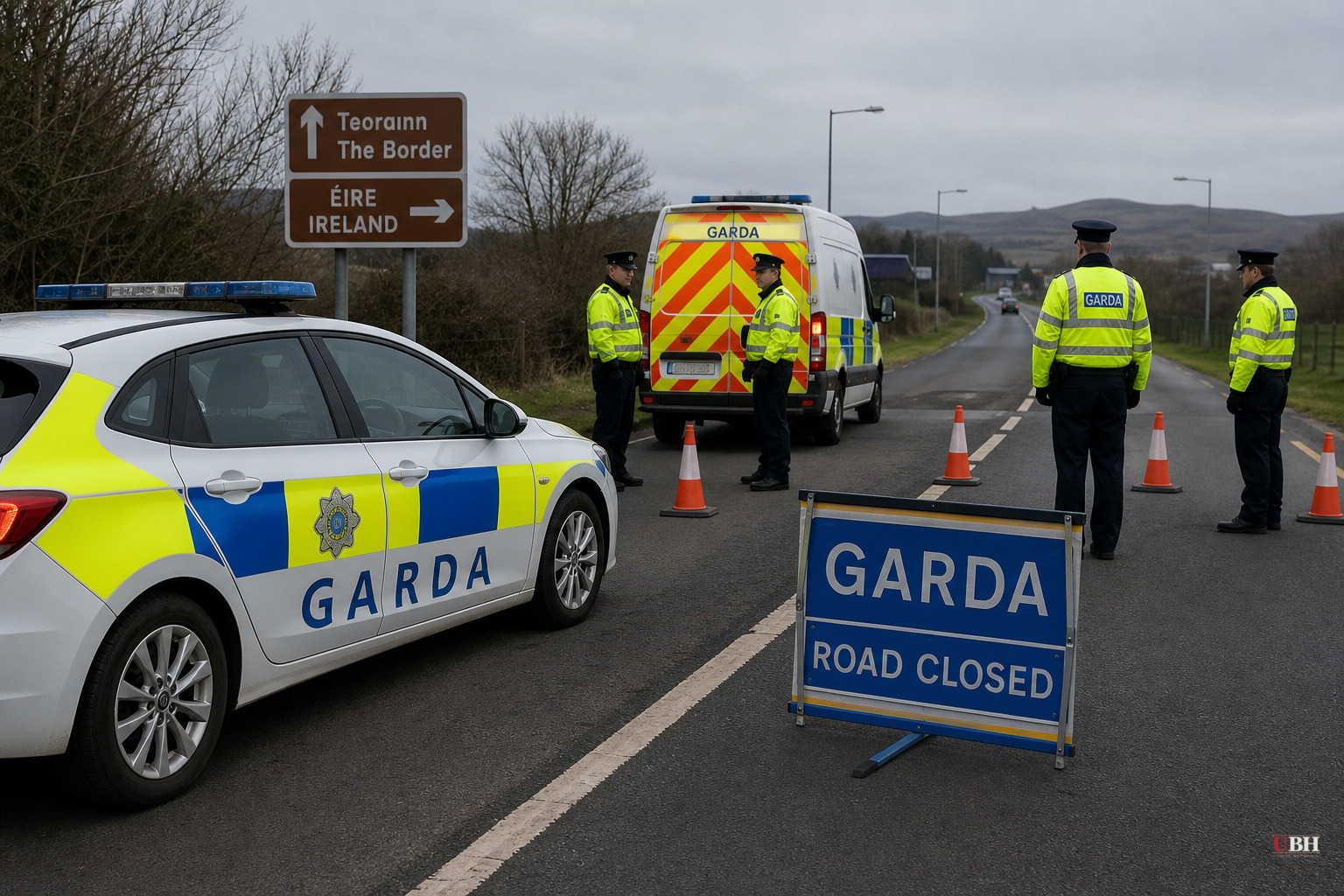
A car loaded with what Irish police call an "extremely significant" bomb never made it to Northern Ireland. Officers from the Garda Síochána's special detective unit stopped the vehicle on the N2 near Carrickmacross, County Monaghan, at about 3 p.m. on Wednesday, according to the BBC and The Guardian. The stop happened during an operation targeting dissident republican activity, not a routine traffic check.
The driver, a woman in her 20s, was arrested at the scene. A second suspect, a man in his 40s, was arrested later and is being held at a Garda station in the Dublin area, per The Guardian. Both remained in custody as of Friday.
Garda Commissioner Justin Kelly confirmed the details Friday at a police graduation ceremony in County Tipperary. "What we found was an extremely significant seizure," Kelly said, according to the BBC and ITV News. "So this was an explosive device."
Kelly was blunt that this wasn't scraps or spare parts. "This was an explosive device and it would have or could have potentially caused significant damage," he said, per ITV News. He declined to give exact technical detail, citing operational reasons, but said the bomb was already fully constructed when officers found it.
Military-grade explosives, an under-car design
Irish broadcaster RTÉ reported, citing Garda sources, that the device contained a power unit, a detonator and military-grade explosives. Those same sources told RTÉ the bomb was intended for use as an under-car device, the kind planted beneath a vehicle to kill whoever starts the engine. That's a signature tactic of dissident republican groups going back decades.
The Irish Defence Forces' explosive ordnance disposal team was called in to examine and defuse the device, according to The Guardian. Garda sources described the bomb to reporters as "highly sophisticated" and "advanced."
Who's behind it
Kelly tied the seizure to a small but persistent faction of dissident republicans who rejected the 1998 Good Friday Agreement and never went through formal decommissioning. "There's a small minority of these individuals, I would describe them as radicalised republicans, and this is a threat that we're going to continue to face for some time," he said, according to the BBC, The Guardian and ITV.
Kelly said the operation was intelligence-led and that Gardaí already have information on the individuals involved. He also said An Garda Síochána works closely with the Police Service of Northern Ireland and UK intelligence services on the dissident threat.
PSNI Assistant Chief Constable Davy Beck backed that up, calling the seizure a product of a "joint commitment" between forces on both sides of the border. "I very much welcome this significant seizure and the arrests made by our colleagues in An Garda Síochána, with whom we work very closely on a daily basis," Beck said, per ITV.
Political reaction, and a pointed question from the DUP
Ireland's Minister for Justice Jim O'Callaghan called the seizure "very worrying" and said it "evidences the fact that there is an ongoing threat in respect of dissident republican activity." He credited Garda officers with stopping what he called an "obvious" and "very serious criminal act" before it could happen.
Northern Ireland Secretary Sir Chris Bryant thanked Irish police publicly, saying the interception "undoubtedly saved lives and kept communities safe on both sides of the border," and called cross-border security cooperation "as vital as ever," according to the BBC and ITV.
Northern Ireland's deputy First Minister Emma Little-Pengelly called the seizure "deeply concerning" and said she has requested an urgent briefing, per ITV News. DUP leader Gavin Robinson went further, calling the incident "chilling" and saying it "could have resulted in the loss of life," while crediting those who intercepted it with possibly preventing "innocent families from suffering unimaginable tragedy." Robinson also said the operation "raises serious questions for the Irish Government about how it is assessing the threat posed by dissident republican terrorism and whether the response is keeping pace," according to ITV's reporting.
None of the outlets reporting this story, including AP News, Anadolu Agency (aa.com.tr) and ITV, identify the specific dissident group believed responsible. No charges have been filed against either suspect as of Friday; both remain in custody while the investigation continues, and Garda sources say the examination of the device and the intended target is ongoing.
Under Irish law, suspects can be held for questioning for a defined period before prosecutors decide whether to charge them. That clock is now running on both the woman and the man in custody.
Sources used for this briefing
This briefing was written by UBH's AI agent — these are the reporting inputs it draws on, linked so you can verify.


