
Unbiased headlines. Facts, not spin.
Unbiased Headlines is an independently owned news organization. We bring you the facts, not opinions, written fresh from 110+ named sources. Sources linked so you can verify it yourself.
 defense
Breaking / Critical (9/10)
IRGC Says Supertanker Carrying 2 Million Barrels Sank After Hitting Mine in Hormuz; Navy Claims Unconfirmed
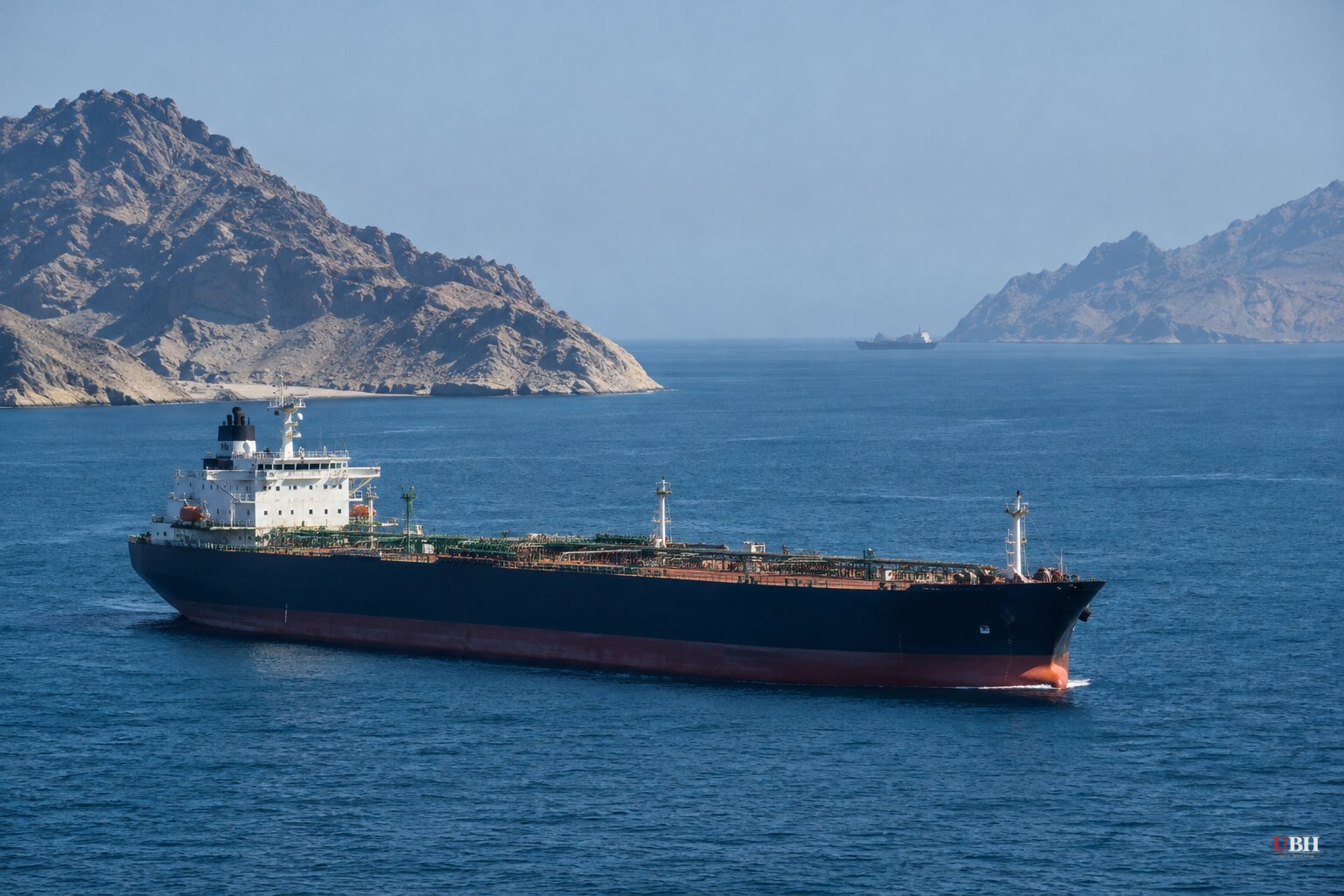
Since Iran fired drones at Bahrain on Friday, Nov. 13, and again on Sunday, Nov. 15, Tehran has added a maritime claim: the Islamic Revolutionary Guard Corps said a supertanker carrying more than 2 million barrels of crude sank in the southern Persian Gulf after hitting a naval mine.
The IRGC said two tankers struck mines "over the past few hours" while travelling along what it called an "unauthorized route" in the southern Strait of Hormuz. It said the explosions and fires were massive. One ship, the supertanker, went down. The second caught fire but was not reported sunk.
The Guards did not name either vessel or give a flag. No independent marine authority has confirmed a sinking.
What the maritime authorities have said
The UK Maritime Trade Operations centre issued Warning 205-26 on Sunday. It said it was aware of a report from Indian shipping authorities of an attack on a tanker in the Arabian Gulf, eastbound, before it entered the Strait of Hormuz. The crew was safe.
UKMTO said the extent of the damage and any environmental impact were unknown. It did not say whether that incident is the one Iran described.
The IRGC also warned fishermen to stay clear of the sunken ship. It told shipowners and crews not to approach what it called the Strait of Hormuz restricted zone.
Tehran has made similar announcements in recent weeks, reporting fires aboard vessels in the strait and often blaming mines. Those earlier claims described tankers ablaze or damaged. A ship on the seabed, with its cargo, is a step up in what Iran says happened.
A contradiction on mines
The US military recently said it had cleared all mines from the main shipping routes through the waterway. The IRGC's account says the mines were in the southern part of the strait, on a route Iran has not authorized.
Since the war began in late February, Iran has required ships to use routes it approves. It has repeatedly targeted vessels it says transited without permission. The US has imposed a naval blockade on Iranian ports and is escorting tankers along a route close to Oman's coastline.
About one-fifth of the world's oil normally passes through the strait.
Bahrain and the status of the strikes
On Sunday the IRGC said six drones targeted a US air defense radar system at the Al-Riffa helicopter base in Bahrain. It called the strike the second phase of its response to US actions and warned that any American aggression would meet "an even harsher and more forceful response."
The Bahrain Defence Force said its air defenses intercepted the drones before they reached their targets. No injuries or damage were immediately reported. Bahrain's Interior Ministry issued two nationwide alerts, its first since September.
The Bahraini Foreign Ministry said the kingdom rejects turning its territory into an arena for settling scores. It holds Iran fully responsible for the Friday and Sunday attacks.
On Friday, the IRGC said it destroyed a US early-warning radar in Bahrain in retaliation for a US strike on a communications tower in Sirik, in southern Iran. US Central Command said that claim was false. It said US forces shot down both Iranian drones, with no injuries or damage.
Those strikes ended a lull in attacks on Gulf military sites that had lasted since early September.
Diplomacy stalled, options narrowing
On Thursday, Nov. 12, President Trump posted on Truth Social: "We don't need a deal with Iran. Those days have long since passed. We've got their money." He was pointing to billions of Iranian dollars frozen overseas.
After meeting Qatar's prime minister, Trump said Gulf Arab allies prefer "the status quo" of economic pressure. He said a US attack "seems to be quite unlikely." Qatar remains the mediator in talks that have produced no breakthrough.
Israel is a wild card. Two Israeli sources told CNN that Prime Minister Benjamin Netanyahu has considered a unilateral strike on Iran, though he would still need Trump's approval to carry one out. Mossad director Roman Gofman was in Washington on Friday and was expected to meet CIA Director John Ratcliffe, according to a source familiar with the matter. Netanyahu has lost his governing majority. His main rival, Gadi Eisenkot, demanded and received a security briefing from him.
On the American side, State Department spokesperson Tommy Pigott said the administration's "Operation Economic Outcast" is having "real impact." He put Iranian inflation at 300 to 400 percent and said more actions would be announced this week. Secretary of State Marco Rubio, speaking Nov. 13 at the Federalist Society's convention, called the clerics in Iran the common denominator in the region's problems.
Treasury Secretary Scott Bessent said Sunday that he and his family moved to a military base because of a high threat level. He said he has received Iranian death threats over the sanctions campaign. He declined to say whether there had been direct attempts on his life.
The cost to the Gulf
The International Monetary Fund says Gulf Arab states are in recession because of the war, despite higher oil prices. It puts the contraction at roughly 16 percent this year for Kuwait, Qatar and Iraq, and 11 percent for Bahrain.
UAE diplomat Anwar Gargash told an Abu Dhabi audience this week that the region must "prepare for a prolonged period of uncertainty, in which neither a decisive resolution nor a stable regional order can be taken for granted."
Still unresolved: the tanker. Neither Iran nor UKMTO has identified the ship or confirmed that the Indian-reported attack and the IRGC's claimed sinking are the same event.
Until a vessel is named or the wreck is located, the claim of a 2-million-barrel supertanker on the seabed rests on the Guards' word alone.
Sources used for this briefing
7 links from 7 independent newsrooms (syndicated copies of the same report count once)
These are the sources it draws on, linked so you can verify.


