
Unbiased headlines. Facts, not spin.
Every story is an unbiased news briefing written from 110+ sources across the spectrum — sources linked so you can verify it yourself.
 defense
Major Story (8/10)
July 14, 2026 at 06:36 PM
defense
Major Story (8/10)
July 14, 2026 at 06:36 PM
Iraq's PM Says All US Troops Out by September 30, Trump Talks Oil Deals
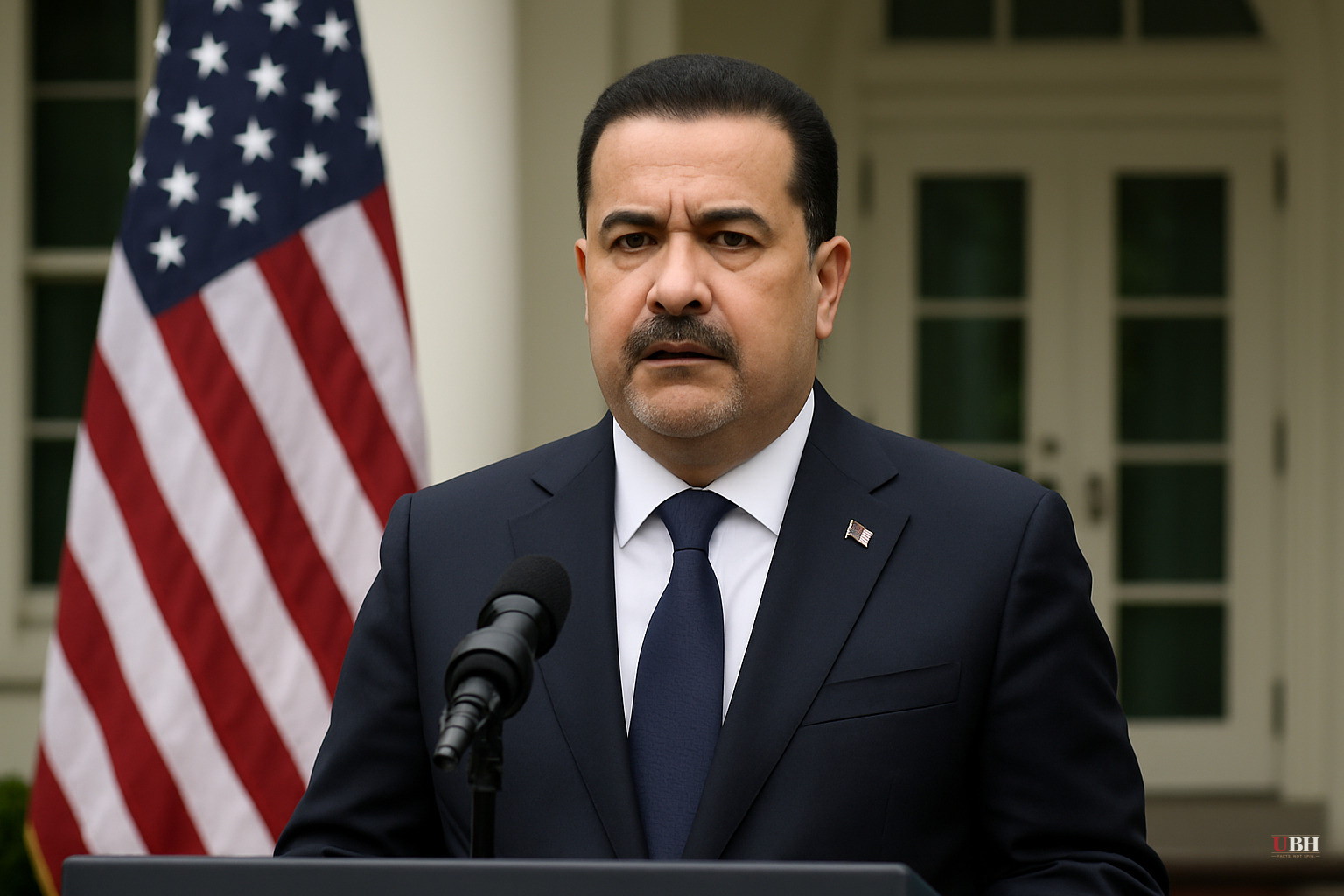
Iraq's new prime minister flew to Washington and said the quiet part out loud: America's military mission there is over. Ali al-Zaidi told reporters at the White House on Tuesday, July 14, that all remaining US forces will be out of Iraq by September 30, according to the New York Post.
"On the 30th of September, the US forces will be out of Iraq, while these companies will be inside Iraq," al-Zaidi said through a translator. That line matters. He's not just announcing a troop pullout. He's announcing a trade.
This isn't a surprise policy shift. Washington and Baghdad agreed to a phased withdrawal back in September 2024, and the drawdown has been happening in stages since. US forces fully left the Ain al-Assad base in January, handing it to Iraqi security forces, according to anews.com.tr. Before that handover, roughly 2,500 US troops were stationed in Iraq. What's left is a smaller footprint in Erbil, near Baghdad's airport, and in the Green Zone.
Trump, standing next to al-Zaidi, didn't sound sentimental about it. "We don't think we need the military there anymore," he said, according to anews.com.tr. He added the US would help if Iraq needed it, but doubted that would happen.
The militia problem nobody's solved yet
Al-Zaidi built the withdrawal with a condition: it's explicitly tied to disarming Iran-backed militias operating inside Iraq. Al-Zaidi told reporters those armed groups will have "no right to exist" after September 30, per anews.com.tr.
It's also, by al-Zaidi's own description, a "huge challenge," because the most powerful militias in the country are rejecting disarmament outright. Kurdistan24 reported al-Zaidi doubling down on this at the joint press conference, saying "state control over arms is the only option, and there is no alternative," and claiming Iraqi authorities have already collected large quantities of weapons from these groups.
If the strongest militias are refusing to disarm, what actually happens on October 1 if they haven't? Al-Zaidi didn't offer a fallback plan in the reporting available. Neither Trump nor al-Zaidi described what enforcement looks like if Iran-aligned factions simply keep their weapons past the deadline. That's an open question nobody has answered on the record yet.
Trump's actual pitch: oil, not troops
While al-Zaidi framed the visit around sovereignty and security, Trump's public comments leaned hard into commerce. "The United States would be doing a lot of deals with Iraq and taking a lot of oil out of the country," Trump told reporters Tuesday, according to Reuters as reported by anews.com.tr.
Al-Zaidi matched that framing in his own remarks to Kurdistan24, calling the visit "not an ordinary visit" but the start of a "strategic economic partnership." He said Iraq has opened its market to American companies and wants the US-Iraq relationship to shift from one built on security to one built on economics. He put a number on what's at stake domestically: roughly $400 billion in damage to Iraq's economic infrastructure from the war against ISIS, according to Kurdistan24.
Al-Zaidi also used the moment to reassure Iraq's Kurdish region it isn't being sidelined. Responding to a question from Kurdistan24's Washington bureau chief Rahim Rashidi, al-Zaidi said "Kurdistan is an important part of Iraq" and that he makes "no distinction between the different regions." He also floated a national conference on "National Sovereignty" later this year or in early 2027, though no firm date was given.
What's actually confirmed versus what's aspirational
The troop withdrawal date, September 30, is confirmed by both leaders on the record. The 2014 origin of the US-led coalition against ISIS, and the phased drawdown starting with the September 2024 agreement, are established fact.
What's not confirmed: the militia disarmament actually happening by that same deadline, the structure of the promised "strategic economic partnership," or specifics on the oil deals Trump referenced. Those are stated intentions and ongoing negotiations, not signed agreements described in these reports.
The next hard checkpoint is September 30. That's when the US is scheduled to complete its military exit, and when al-Zaidi says Iran-backed militias will lose any claimed justification to keep their weapons. Whether Baghdad can enforce that against factions that have already said no is the thing to watch between now and then.
Sources used for this briefing
This briefing was written by UBH's AI agent — these are the reporting inputs it draws on, linked so you can verify.


