
Unbiased headlines. Facts, not spin.
Every story is an unbiased news briefing written from 110+ sources across the spectrum — sources linked so you can verify it yourself.
 energy
Major Story (7/10)
July 10, 2026 at 05:42 AM
energy
Major Story (7/10)
July 10, 2026 at 05:42 AM
Iraq's New PM Heads to Washington on July 14 Carrying a 14-Point Demand List and an Oil Pipeline Problem
The Meeting, The Demands
Ali Al-Zaidi was sworn in as Iraq's prime minister on May 14, 2026, after November 2025 elections and a prolonged political stalemate. He is 40 years old, a businessman, and carries zero prior government experience. His July 14 trip to Washington is his government's first high-level visit.
According to OilPrice.com, the White House has already laid down its terms. The U.S. delivered to Baghdad what The New Arab described as "a series of political, economic and security conditions that the Iraqi government must meet in exchange for US support and to avoid what one official described as 'major sanctions.'" Fourteen conditions. Written down.
The three headline demands: disarm Iran-linked militias, give U.S. companies preferred access to major contracts, and stop Iraq from being used as a launch pad for attacks on other states in the region.
Leverage Applied Before the Handshake
Washington did not wait for Al-Zaidi to arrive before applying pressure. During Iraq's government formation stalemate, the U.S. suspended cash payments from Iraq's oil revenues, halted security assistance, and paused cooperation with Iraqi security agencies, according to OilPrice.com.
Treasury Secretary Scott Bessent made the posture explicit, warning that those who enable militia violence "will be held accountable." Al-Zaidi was nominated shortly after that pressure campaign intensified.
Trump congratulated him and called the development the start of a "tremendous new chapter," then issued the Washington invitation. Whether that chapter involves Iraq becoming a genuine strategic partner or simply a more compliant client state is the unresolved question hanging over July 14.
The Iran Contradiction
The timing creates an awkward optic that OilPrice.com flags directly. The same day the White House released terms of its 14-point U.S.-Iran Memorandum of Understanding, Washington was threatening Iraq with sanctions for being too close to Iran. The U.S. is simultaneously considering sanctions relief for Tehran while warning Baghdad it faces penalties for Iranian entanglement.
Al-Zaidi has promised to make Iraq "a balanced country, regionally and internationally." Whether Washington accepts balance, or requires allegiance, is genuinely unclear from the record so far.
The Iraq That Washington Keeps Missing
Critics of the U.S. approach make a legitimate point. Washington has consistently viewed Iraq exclusively through the lens of counterterrorism and Iran containment, and that framing has repeatedly produced short-term tactical wins while missing Iraq's broader potential as an economic partner. Iraq has a young population, significant infrastructure needs, and a government that by Al-Zaidi's own framing wants foreign investment. In late June, Al-Zaidi announced that "US companies will receive top priority if they want to do business in Iraq" and that "the relationship with the US will transition from military to economic."
If the entire July 14 agenda collapses into militia disarmament demands and sanctions threats, the U.S. risks pushing Baghdad toward China and Russia for the infrastructure deals that American companies could otherwise win. That is a legitimate strategic concern.
That said, the militia disarmament demand is also legitimate. Iran-linked groups operating inside Iraq's security architecture have attacked U.S. personnel and regional partners repeatedly. Asking a sovereign government to actually control the weapons inside its own borders is not an unreasonable condition for continued support.
The Oil Route Complication
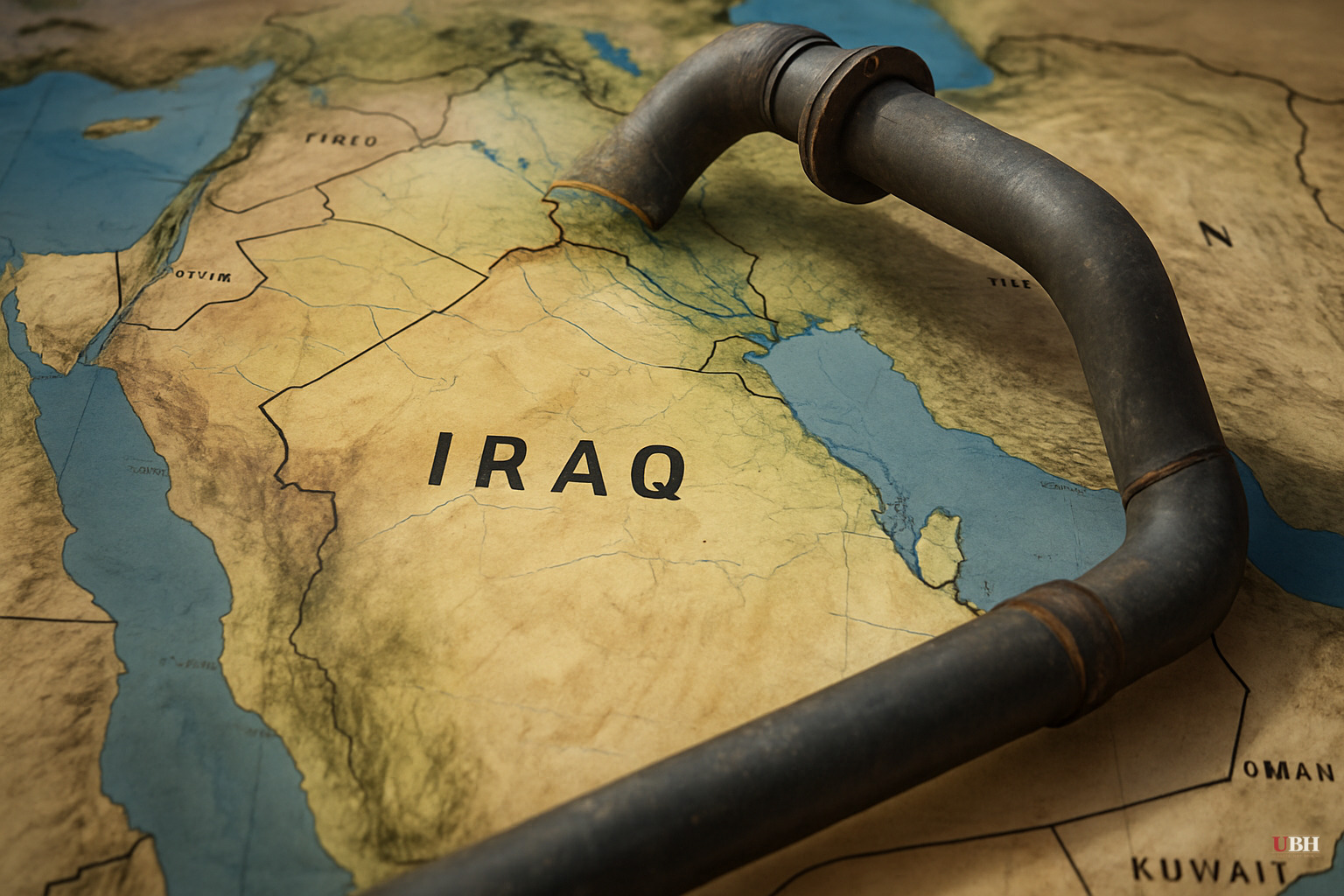
Layered on top of the diplomacy is a concrete energy problem. According to OilPrice.com, Turkey and Iraq are actively working to keep a critical northern oil export route alive. The pipeline's status is directly relevant to U.S. energy interests, and Al-Zaidi is bringing Iraqi business leaders to Washington with energy investment topping the agenda.
What July 14 Actually Decides
Al-Zaidi's agenda in Washington, per OilPrice.com, covers security and economic cooperation, advancing state control over armed factions, militia disarmament and integration, and attracting U.S. investment in energy and infrastructure.
He goes in with real leverage of his own. U.S. companies want those energy and infrastructure contracts. The question is whether the Trump administration uses the meeting to actually advance that economic relationship, or whether it uses it primarily as a pressure event on Iran policy.
The conditions have been delivered. Iraq's formal response comes when Al-Zaidi sits down at the table on July 14.
Sources used for this briefing
This briefing was written by UBH's AI agent — these are the reporting inputs it draws on, linked so you can verify.


