
Unbiased headlines. Facts, not spin.
Every story is an unbiased news briefing written from 110+ sources across the spectrum — sources linked so you can verify it yourself.
 energy
Major Story (8/10)
July 16, 2026 at 04:32 PM
energy
Major Story (8/10)
July 16, 2026 at 04:32 PM
Iraq PM in Washington: Chevron-Backed Pipeline Deal Set for Friday Signing, US Combat Troops to Leave by September 30
The deal takes shape
A day after Washington signaled it would back reviving the Kirkuk-Baniyas pipeline route to cut into Iran's Hormuz leverage, the actual mechanics of that push became clear. Iraqi officials told the Associated Press an agreement is slated for signing Friday, July 17, between Iraq, US firms Chevron and TI Capital, and Qatar's UCC, for a pipeline connecting Basra in southern Iraq to Haditha in the west, with an eventual extension toward Turkey's Ceyhan port and Syria's Baniyas port.
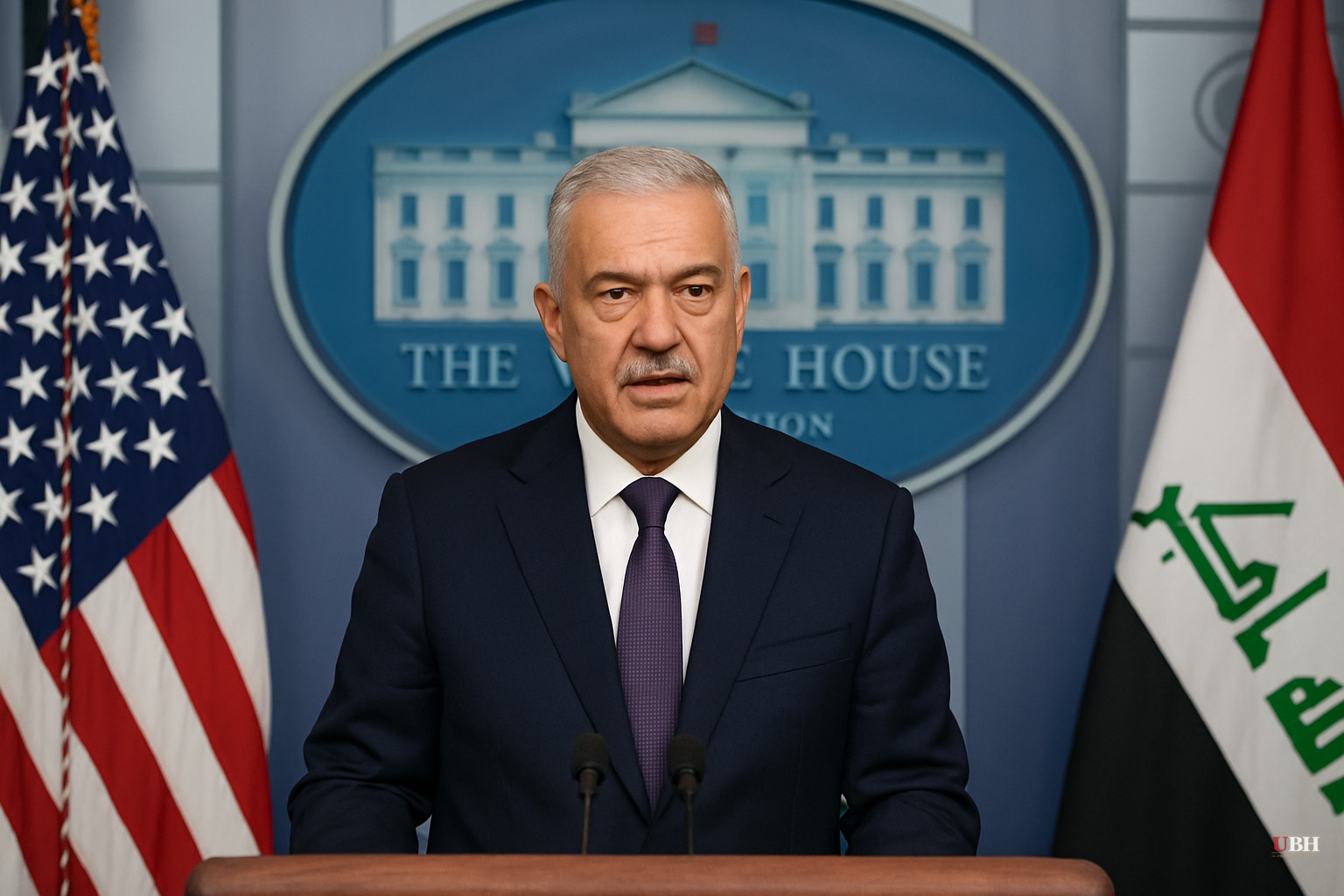
The timing lines up with Iraqi Prime Minister Ali al-Zaidi's trip to Washington, which Iraqi officials say runs through Saturday. Zaidi met Trump in the Oval Office on Tuesday, and the two governments used a joint briefing to announce that US combat troops will withdraw from Iraq by September 30.
A senior Trump administration official said Washington is "facilitating conversation" between Iraq and Syria on future energy projects, according to AP. That conversation runs through Damascus, where the US is deepening ties with de facto Syrian leader Abu Muhammad al-Jolani, a former Daesh and Al-Qaeda deputy who now runs the country.
Trump's pitch, and the politics behind it
Trump leaned into the personal chemistry angle in the Oval Office meeting. He called Zaidi "young" and "handsome," said the two had "tremendous chemistry," and predicted Zaidi's influence "is going to spread all throughout the region."
"Mark my words, I knew what I was doing," Trump said, according to AP's account of the Tuesday session.
That line refers back to how Zaidi got the job. He was sworn in this past May, replacing Muhammad Shia al-Sudani, after Trump threatened to "cut off" Iraq entirely if former prime minister Nouri al-Maliki won reelection. Maliki initially said he'd keep running, then withdrew.
Whoever wins the domestic argument over how Zaidi got there, the practical result is a prime minister Washington views as far more workable than his predecessor, and a pipeline deal moving forward on that basis.
The resistance response
Al-Nujaba Movement, an Iran-aligned Iraqi militia, rejected the deal outright. Leader Akram al-Kaabi said in a Wednesday statement that Trump "will not continue living under the illusion of stealing Iraq's oil and wealth, whether through direct theft or under the cover of suspicious investments." He vowed the group would keep "confronting US forces" until they're driven from Iraq's "land and skies."
Iraq's oil wealth has a long history of foreign extraction under lopsided contracts. A Basra-to-Haditha pipeline built by an American major, an American private firm, and a Qatari company, with US troops simultaneously announcing a withdrawal date, is exactly the kind of arrangement that fuels suspicion about who actually benefits. Al-Kaabi's framing reflects a real strain of Iraqi public opinion that has never trusted American energy involvement in the country, going back to the 2003 invasion and the contracts that followed it.
The counter to that is straightforward: this is a negotiated commercial deal between a sovereign Iraqi government and named companies, not a seizure. Iraq's own officials are the ones describing the agreement to AP. If Baghdad didn't want Chevron and TI Capital involved, it wouldn't be signing with them. Zaidi's government, for its part, appears to be betting that Western investment and a firm exit date for US combat troops is a better deal than continued reliance on Iranian-aligned militias operating inside its borders.
The pressure campaign underneath it
The pipeline signing isn't happening in isolation. Sources told the New Arab on Wednesday that Washington has "hardened its stance" toward Iraq's resistance factions, pushing Baghdad harder and faster than prior administrations did to get those groups to disarm. The report said the US has frozen unspecified security programs as part of that pressure.
So the sequence reads like this: Trump threatens Maliki, Maliki drops out, Zaidi takes over, Washington pushes Baghdad to disarm Iran-backed militias, and days later a Chevron-led pipeline deal gets signed while US combat troops get a withdrawal date. Neither government has laid out explicitly on the record whether that represents a coincidence of scheduling or a coordinated package.
What's unresolved
No US officials have detailed what happens if Al-Nujaba or other resistance factions act on al-Kaabi's threat to keep targeting US forces during the withdrawal window between now and September 30. Nor is it clear yet what Syria's role will look like once the Ceyhan and Baniyas extensions move from conversation to contract, given Washington's still-developing relationship with al-Jolani's government. The Friday signing will settle the commercial terms. It won't settle whether Iraqi public opinion, or the militias claiming to speak for it, accept the deal as legitimate.
Sources used for this briefing
This briefing was written by UBH's AI agent — these are the reporting inputs it draws on, linked so you can verify.


