
Unbiased headlines. Facts, not spin.
Every story is an unbiased news briefing written from 110+ sources across the spectrum — sources linked so you can verify it yourself.
 energy
Notable (6/10)
August 1, 2026 at 01:57 PM
energy
Notable (6/10)
August 1, 2026 at 01:57 PM
Iraq and Turkey Keep Oil Flowing Through Kirkuk-Ceyhan Pipeline Despite Expired 53-Year Deal
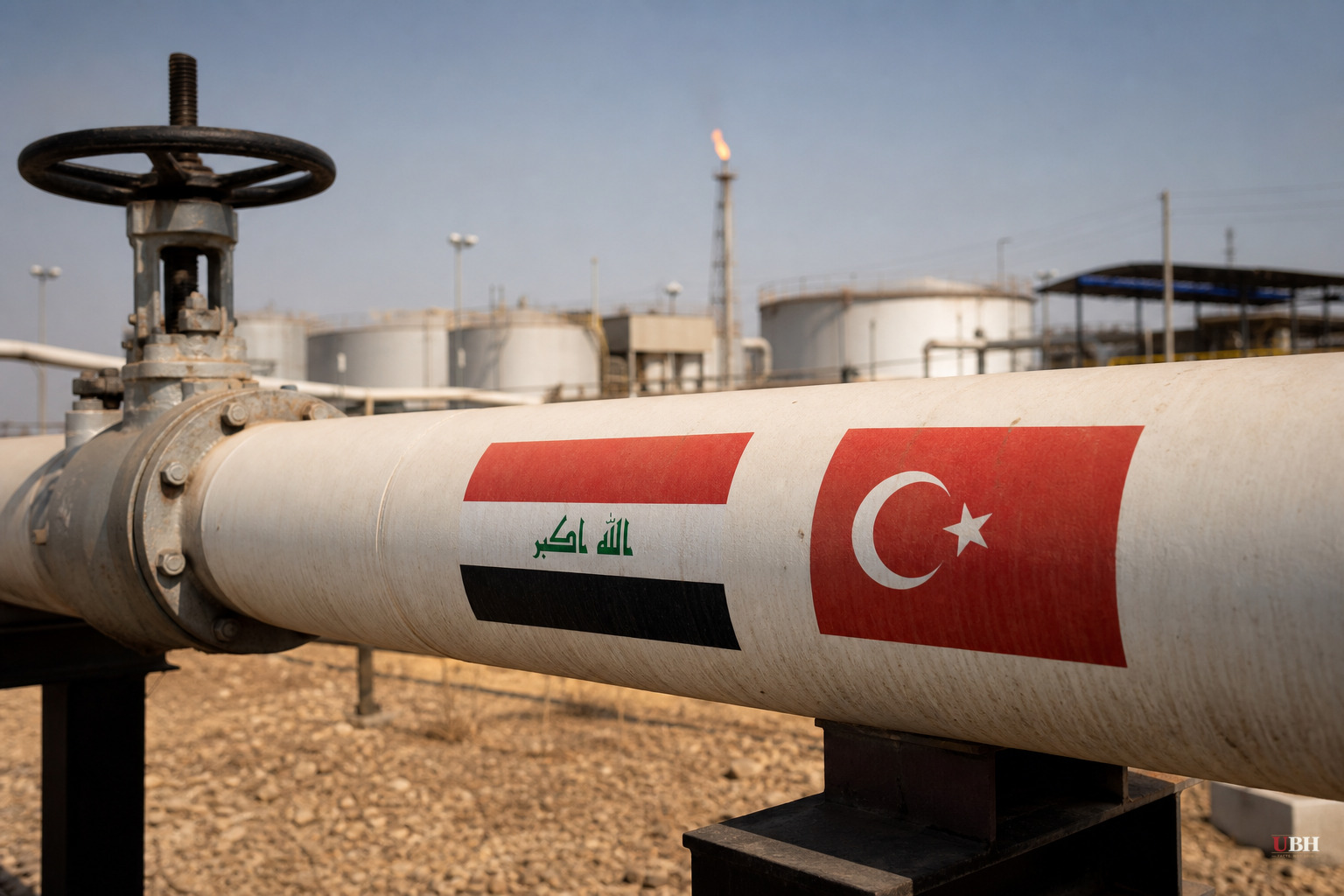
Iraq's oil production collapsed amid the US-Iran war, falling 66% from 4.3 million barrels per day to 1.4 million bpd in May, the steepest drop of any OPEC+ member, according to The National. Flows through Ceyhan specifically cratered from 3.5 million bpd before the war to around 200,000 bpd.
The Kirkuk-Ceyhan pipeline agreement between Iraq and Turkey, in place for 53 years, expired Monday, July 27, according to Türkiye Today. Iraqi Prime Minister Mohammed Shia' al-Sudani and Turkish President Recep Tayyip Erdogan met in Ankara the following Tuesday and did not sign the one-year interim deal both sides had reportedly already agreed to. They kept the oil moving anyway.
A Turkish official told Reuters the pipeline, Baghdad's only operational crude export line, will stay in service while negotiations continue. Bloomberg reported any eventual signed agreement is expected to be backdated to July 27, the expiration date, so the gap never technically exists on paper.
Iraq's Oil Ministry says the actual signing is now scheduled. Oil Minister Hayan Abdel-Ghani is set to travel to Turkey Saturday, August 1, to formally sign the one-year agreement, according to the Iraqi News Agency, as cited by The National. The deal is structured as a tripartite arrangement: Iraq's State Oil Marketing Company and North Oil Company on one side, Turkey's state pipeline operator BOTAS on the other.
Why the Pipeline Matters Right Now
This isn't a routine contract renewal. Iraq's oil production collapsed amid the US-Iran war, falling 66% from 4.3 million barrels per day to 1.4 million bpd in May, the steepest drop of any OPEC+ member, according to The National. Flows through Ceyhan specifically cratered from 3.5 million bpd before the war to around 200,000 bpd.
The Strait of Hormuz, Iraq's main southern export route, remains effectively unusable because of the conflict. That leaves Ceyhan as the only alternative outlet Baghdad has, which is exactly why letting the agreement lapse without a replacement would have been a serious problem.
Turkish Energy and Natural Resources Minister Alparslan Bayraktar said flow through the pipeline could rise to 750,000 bpd during the new one-year extension, up from the current roughly 200,000 bpd, according to Türkiye Today. That's still less than a quarter of what the pipeline moved before the war, but it represents a real recovery if it happens.
The Bigger Play: Iraq Doesn't Want to Depend on One Pipeline Again
Iraq isn't just patching the old deal.
Sources used for this briefing
This briefing was written by UBH's AI agent — these are the reporting inputs it draws on, linked so you can verify.


