
Unbiased headlines. Facts, not spin.
Every story is an unbiased news briefing written from 110+ sources across the spectrum — sources linked so you can verify it yourself.
 energy
Major Story (7/10)
July 26, 2026 at 12:58 AM
energy
Major Story (7/10)
July 26, 2026 at 12:58 AM
Iraq and Syria Sign Deal to Rebuild Kirkuk-Baniyas Oil Pipeline, Chevron to Lead Study
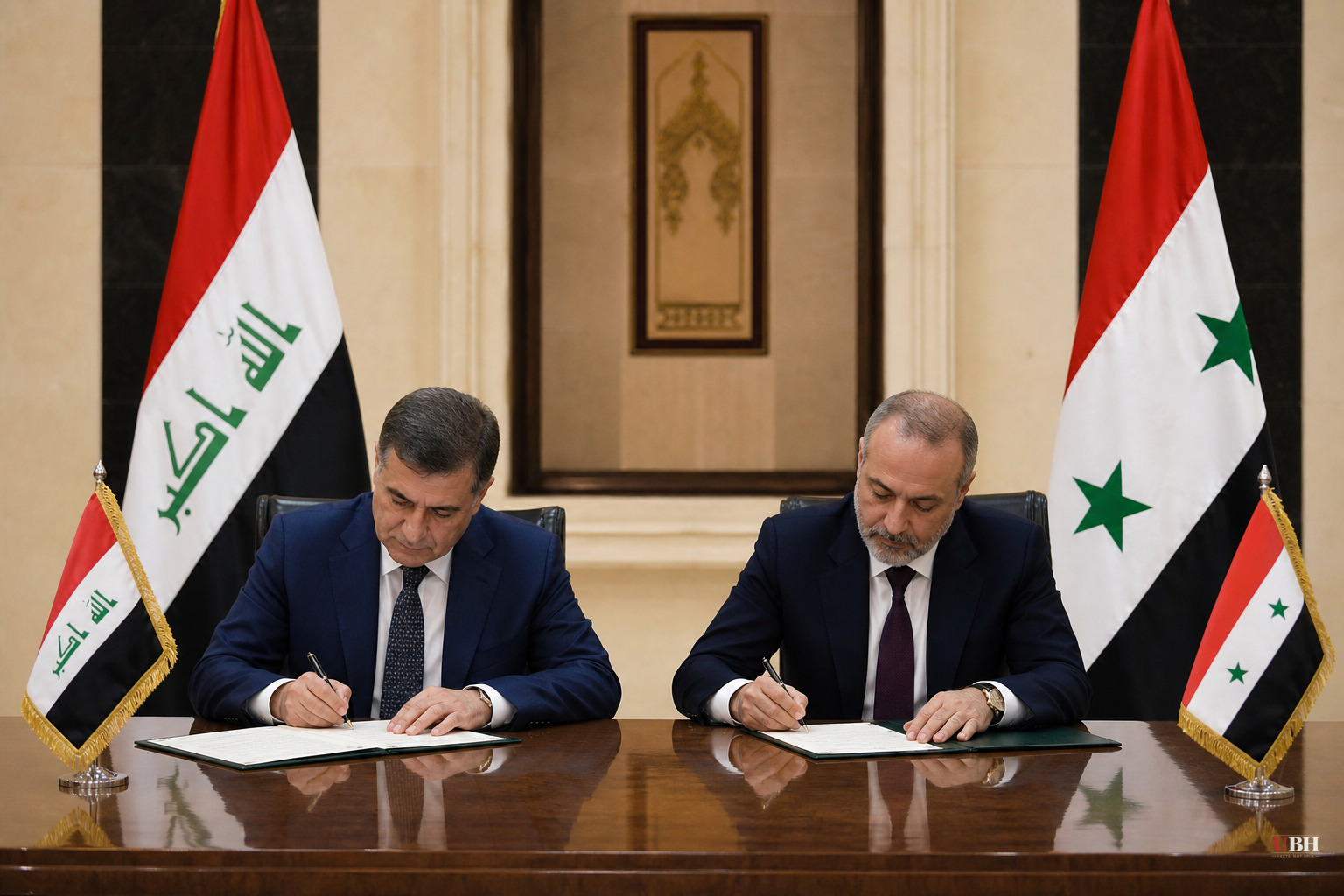
Iraq and Syria signed a memorandum of understanding to rebuild and modernize a pipeline that once carried crude from western Iraq to the Syrian coast, according to i24NEWS. The route runs roughly 800 kilometers from Haditha in Iraq to the Mediterranean port of Baniyas in Syria.
Chevron will oversee the project. A consortium that includes Chevron, Capital TI and Qatar's UCC will run the technical and feasibility studies before any construction starts, i24NEWS reported.
The Kirkuk-Baniyas line has sat mostly dormant since the 2003 US-led invasion of Iraq damaged it. Washington has pushed to get it running again and has said it expects American firms to be part of that effort, per i24NEWS.
Why Now
The timing isn't random. Iraq is scrambling for export routes that don't run through the Strait of Hormuz, where the US-Israel war with Iran has disrupted traffic and hit Iraqi oil exports hard, according to i24NEWS. Roughly 20% of the world's oil and gas moved through that strait before the war started.
A pipeline to the Mediterranean lets Iraq ship Kirkuk-region crude straight to European buyers without touching the Gulf chokepoint at all. That provides a strategic alternative to an infrastructure upgrade alone.
This fits into a bigger pattern. Chevron also signed agreements this week to potentially move into Iraq's West Qurna 2 and Nassiriya oilfields, i24NEWS reported. West Qurna 2 is one of the largest oilfields on the planet, already producing about 460,000 barrels a day. Baghdad is clearly betting on deeper energy ties with the US, not just diversifying its transport options.
What This Means for Washington
An American company running point on a pipeline through Syria carries significance. Syria spent over a decade as a pariah state under Bashar al-Assad, and US sanctions policy toward Damascus has been in flux since his fall. Chevron's involvement signals Washington is comfortable enough with the current Syrian government to back American commercial activity there.
For Iraq, this is about reducing dependence on a single vulnerable export corridor. The Strait of Hormuz sits right next to Iran, and Tehran has leverage over it whether through direct military action or through the broader regional tension that spiked during the recent war. A Mediterranean outlet removes that leverage for a meaningful slice of Iraqi crude.
The Skeptical Read
None of this is built yet. A memorandum of understanding is a starting point, not a construction contract. The feasibility study alone could take time, and pipelines in this region have a long history of getting delayed, sabotaged, or stuck behind sanctions disputes.
Muslim Network TV's coverage of the deal sat inside a broader news roundup dominated by stories on Gaza casualties, West Bank military operations, and the Israel-Iran conflict, without adding independent reporting on the pipeline deal's specifics beyond restating the basic agreement. That framing places the pipeline story in the context of ongoing regional conflict rather than as a standalone energy development, which is a fair lens given how directly the Hormuz disruptions drove Iraq to seek this deal in the first place.
There's also the matter of security. The old Kirkuk-Baniyas line got wrecked once already during a war. Syria's interior has not been fully stable since Assad's fall, and any new pipeline running through Syrian territory will need protection from whatever armed factions still operate in the country. Neither report addresses who guarantees that security going forward.
What Happens Next
The consortium of Chevron, Capital TI and Qatar's UCC will conduct technical and feasibility studies before construction begins, per i24NEWS. No timeline for completion of those studies has been reported. Whether Washington attaches specific sanctions relief or security guarantees to the project, and how fast Baghdad wants this built given the pressure from Hormuz disruptions, remain open questions with no public answers yet.
Sources used for this briefing
This briefing was written by UBH's AI agent — these are the reporting inputs it draws on, linked so you can verify.


