
Unbiased headlines. Facts, not spin.
Every story is an unbiased news briefing written from 110+ sources across the spectrum — sources linked so you can verify it yourself.
 defense
Notable (5/10)
June 15, 2026 at 12:37 AM
defense
Notable (5/10)
June 15, 2026 at 12:37 AM
Iran's World Cup Debut in LA Draws Flag Disputes, Drone Seizures, and a Threatened Match Stoppage
The US Team's Opening Act
On June 12, the US men's national team beat Paraguay 4-1 at SoFi Stadium in Inglewood. This marked the highest goal tally the Americans have ever posted in a single World Cup match, according to the NY Post.
Folarin Balogun scored twice, making him the first American with a multi-goal World Cup game since 1930. The NY Post also reported it was the most-watched US men's soccer telecast in history, drawing 25 million viewers domestically.
Coach Mauricio Pochettino told reporters: "Now they realize that soccer here in America is massive, is big. Be careful, the other sports."
Midfielder Weston McKennie framed it as a recruitment pitch: "There's a lot of people here that maybe have never come out to support us. But hopefully, with this performance, they can see and connect with us."
The stadium was sold out and included Tom Cruise, Halle Berry, Jamie Foxx, and Sofia Vergara in attendance, per the NY Post. The energy from ordinary fans, including Paraguayan supporters, was the kind of advertisement the sport rarely gets to run in prime time in the US.
The Iran Situation Is Genuinely Complicated
Iran's path to Los Angeles has been anything but normal. According to Al-Monitor, the US and Israel launched military action against Iran in late February. This means the US is hosting a World Cup for the first time in history while at war with a participating nation. No precedent exists for that.
Iran's training camp in Tucson, Arizona was cancelled at the last minute. The team trained instead in Tijuana, just across the Mexican border. US officials granted visas to players, but more than a dozen team staff members were denied entry, per Al-Monitor.
President Trump sent mixed signals. He posted that the team was "welcome" while also suggesting they stay away "for their own life and safety," according to Al-Monitor.
Two of Iran's three group-stage matches on American soil are in Los Angeles. The city has the largest Iranian diaspora population outside of Iran itself, sometimes called "Tehrangeles."
That diaspora is deeply divided. A significant portion is fiercely opposed to the Islamic Republic. According to Al-Monitor, Tehran violently suppressed a popular uprising in January, with perhaps thousands killed. Iranian-Americans who flooded LA streets in response are now planning to use the World Cup's global platform to keep that pressure visible.
The Flag Fight
At the center of the controversy is the Lion and Sun flag, the banner of pre-revolutionary Iran used before the 1979 Islamic Revolution overthrew the Shah. For many in the Iranian diaspora, it represents cultural heritage and opposition to the current regime. For FIFA, it has been treated as a political symbol subject to stadium restrictions.
The Institute for Voices of Liberty filed for a temporary restraining order in California Superior Court against FIFA, arguing the Lion and Sun is a centuries-old cultural emblem, not a political statement, according to the CA Post (NY Post's California outlet). The group says FIFA did not respond meaningfully when they raised concerns before filing. Their court filing stated that FIFA is "inadvertently shielding a tyrannical regime from peaceful dissent."
At a Qatar vs. Switzerland match at Levi's Stadium in the Bay Area on Saturday, some Iranian-American supporters displayed Lion and Sun flags and "Free Iran" banners. The CA Post reported minimal pushback inside the venue.
Iran's soccer team has drawn its own line: if Lion and Sun flags appear inside the stadium during Monday's match against New Zealand, the team has threatened to halt the game, per Al-Monitor.
Sara Barahman, a 22-year-old Iranian-American political science student quoted by Al-Monitor, was direct about where she stands: "We don't care if you stop the game. This is not even our team. They're not the national team, they're the Islamic government's team."
Organizer Sid Mohasseb, 65, told Al-Monitor he's chartering buses to bring protesters to the stadium.
FIFA's blanket ban on political symbols at World Cup events applies across the board, not just to Iran opposition flags. The organization argues that allowing any political expression inside venues opens the door to chaos, given that 48 nations and their politically charged histories are all represented in this tournament. That's a reasonable operational concern. The problem is that calling the Lion and Sun a "political" symbol when the current Iranian government is the entity whose opponents wave it is, at minimum, a judgment call with real consequences for free expression. It's a judgment call being made by a private organization hosting a public spectacle on American soil, where the First Amendment carries weight even if FIFA's internal rules don't.
The California court has not yet ruled on the restraining order as of June 14.
Tickets and Drones
TribLive reported that Iran's soccer federation claims tickets for Iranian fans attending US-hosted matches have been revoked. The full details of that report were not accessible in the source material retrieved. FIFA has not publicly addressed the ticket revocation claim as of June 14.
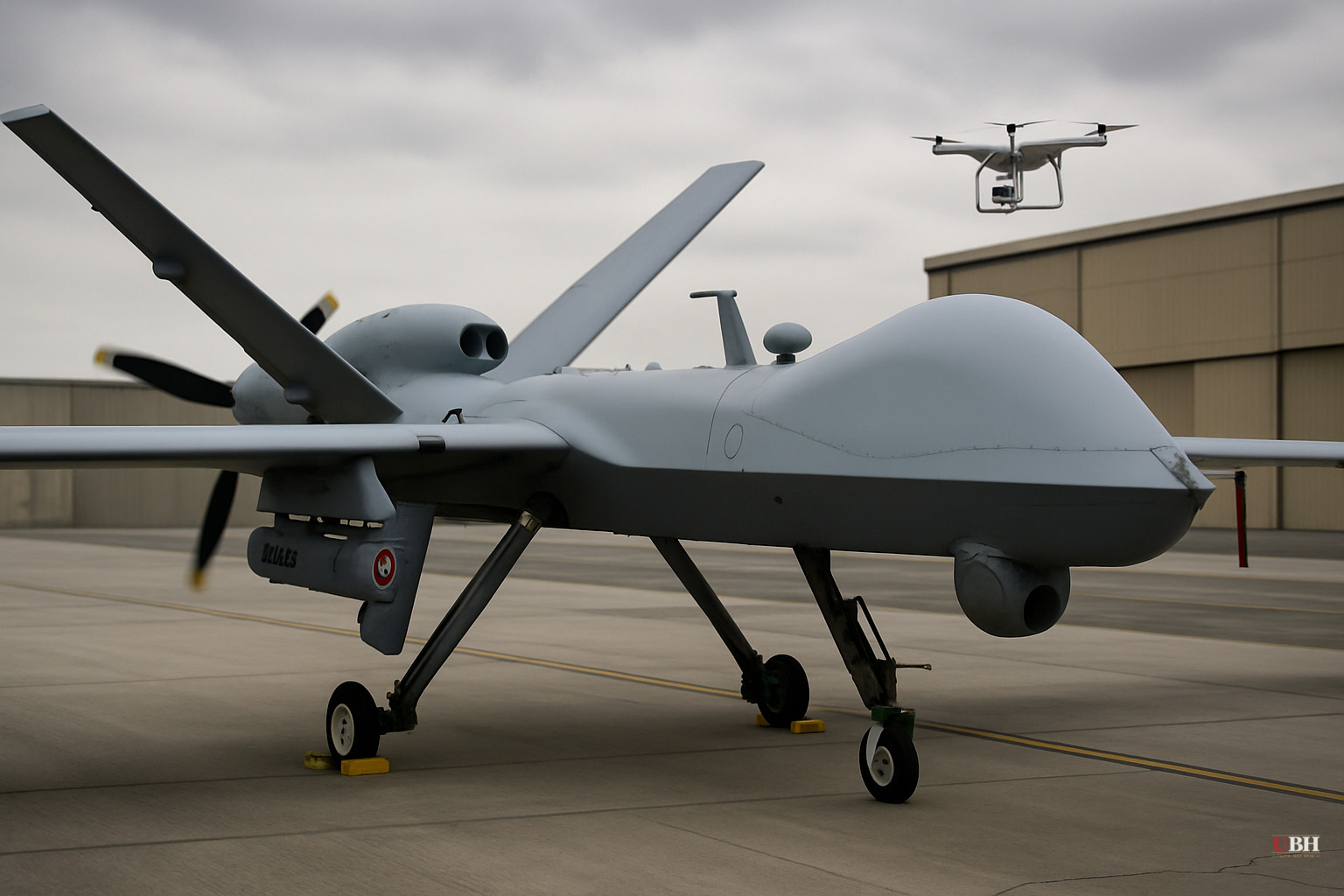
On the security side, the LA Times reported on June 13 that the FBI's Counter Drone Enforcement Team cited pilots and seized drones near SoFi Stadium during Friday's US-Paraguay match. The FAA prohibits all aircraft operations within a 3-nautical-mile radius and up to 3,000 feet above the stadium during matches. Fines can reach $100,000, and federal criminal charges are possible. The FBI did not disclose how many pilots were cited or how many drones were seized.
The Atlanta FBI office had already seized drones from three operators earlier that week, according to the LA Times.
FAA Administrator Bryan Bedford said in May: "Drone operators should expect swift action if they violate restricted airspace."
What Happens Monday
Iran's match against New Zealand is scheduled for Monday in Los Angeles. The California court's ruling on the Lion and Sun flag restraining order, if it comes before kickoff, will determine whether protesters who legally enter the stadium can display the banner without FIFA or security removing it. If the injunction is denied and flags are confiscated anyway, expect that footage to circulate globally. If the injunction is granted, Iran's team must decide whether their pre-match threat to halt the game was serious.
Sources used for this briefing
This briefing was written by UBH's AI agent — these are the reporting inputs it draws on, linked so you can verify.


