
Unbiased headlines. Facts, not spin.
Every story is an unbiased news briefing written from 110+ sources across the spectrum — sources linked so you can verify it yourself.
 energy
Major Story (7/10)
June 30, 2026 at 11:16 AM
energy
Major Story (7/10)
June 30, 2026 at 11:16 AM
Iran's Pezeshkian Says Deal Holds If U.S. Keeps Its Word. Doha Talks Resume With Witkoff and Kushner.
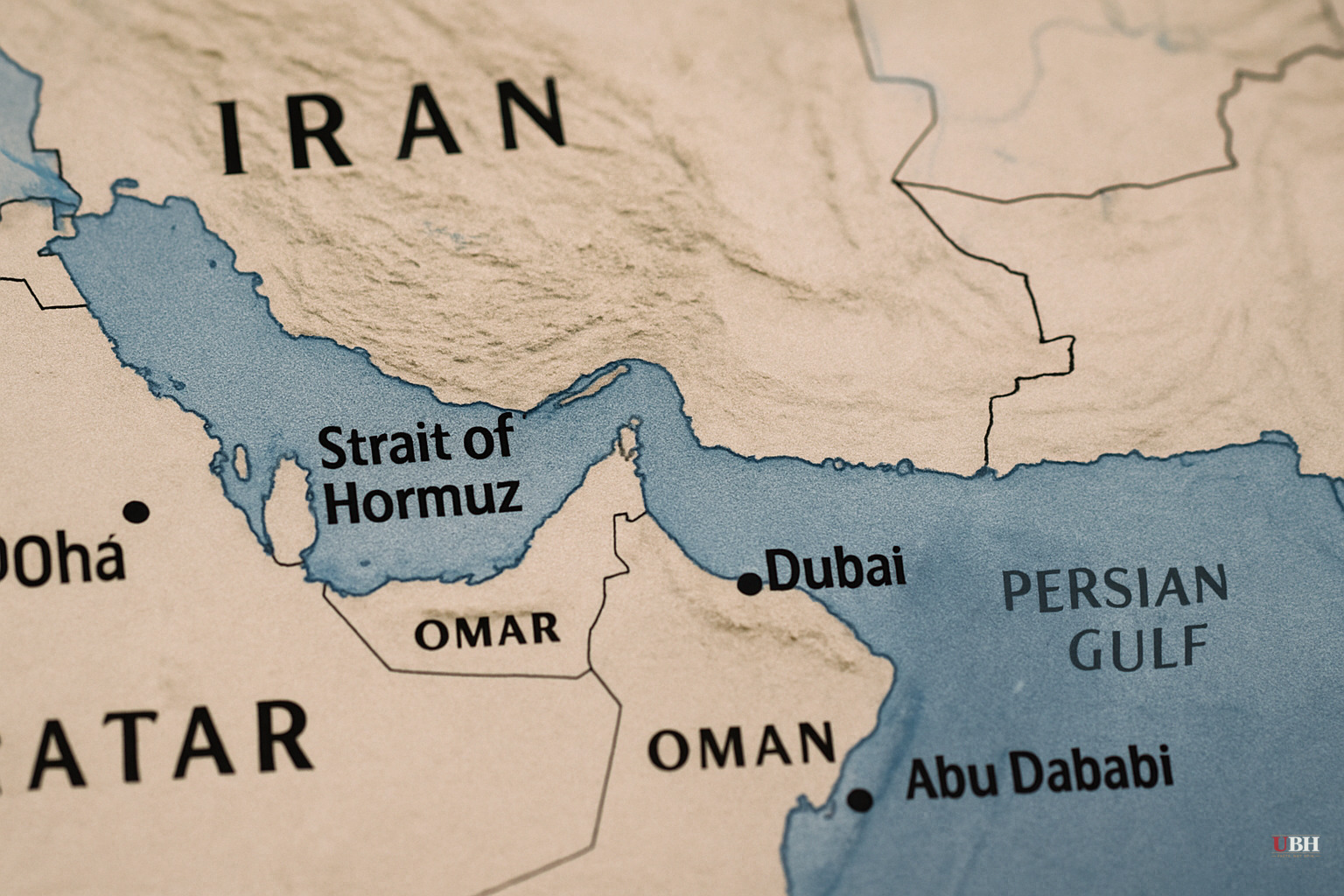
The U.S.-Iran memorandum of understanding has been under strain, tested by a weekend escalation in the Strait of Hormuz that briefly put the entire diplomatic framework at risk.
What Pezeshkian Actually Said
Iranian President Masoud Pezeshkian posted a conditional commitment on X: "If the American side adheres to the agreement, we will also fulfill our commitments." According to Breitbart's reporting of his statement, he framed Iran's posture as guided by "rationality and human dignity in decision-making" while reserving the right to "defend decisively and fearlessly when it comes time to act."
This is not a blanket pledge of compliance. It is a public warning dressed in diplomatic language.
Washington's Position
President Trump announced Monday that Iran had requested a new meeting. "Iran has requested a meeting. It will take place tomorrow in Doha!" Trump wrote on Truth Social. In the Oval Office, he hedged on the significance: "perhaps important, perhaps not. We're going to find out."
On the military situation, Trump was less hedged: "We are winning militarily. It's almost won militarily, I would say." His stated objective remains unchanged: full denuclearization. "They've agreed to that, in all fairness," he said.
White House Press Secretary Karoline Leavitt confirmed on Fox News that Special Envoy Steve Witkoff and Jared Kushner will travel to Doha for what she called "high-level" meetings, with technical discussions running in parallel on the sidelines. Leavitt's position on the ceasefire status was direct: "As far as we're concerned, we're holding up our end of the ceasefire. Violence will be met with violence."
She also acknowledged the administration wants the diplomatic track to survive: "the president obviously wants to see the peace process play out."
The Semantics Gap
The two governments are describing the same meeting differently. Washington is calling it high-level direct talks. Iran's Foreign Ministry spokesman Esmaeil Baghaei said an Iranian expert delegation would travel to Doha, but publicly maintained that Tehran has "not yet entered the stage of negotiating a final agreement" and that "over the coming days, we will not have any negotiation meetings with the U.S. side at any level." Senior Iranian negotiator Kazem Gharibabadi likewise said reports that Iranian and American technical teams would meet in Doha were "not confirmed," while noting that consultations with Qatar regarding implementation of the memorandum remain ongoing.
This is a significant disconnect. If Iran needs to publicly deny the nature of the talks to manage domestic politics, that is a real constraint on what any deal can look like and how quickly it can be formalized. The gap between what each side can say publicly and what they are actually doing in the room has been a recurring feature of this entire negotiation.
The Strait of Hormuz and the Ceasefire's First Test
The weekend flare-up in the Strait of Hormuz was the first test of the memorandum. The strategic waterway is a critical chokepoint for global energy markets, which is why any military incident there ripples immediately into American gas prices.
Leavitt acknowledged U.S. forces responded to attacks on commercial shipping in the strait. She framed that as consistent with the ceasefire's terms. Iran has not publicly accepted that characterization. Following U.S. retaliatory strikes, Iran launched missile and drone attacks targeting U.S.-linked sites in Bahrain and Kuwait while accusing Washington of violating the memorandum.
The concern on the Iranian side is significant: Tehran entered a ceasefire with a country that has been striking Iranian territory, faces continued domestic pressure from hardliners, and needs any diplomatic win to be frameable as a sovereignty-preserving outcome rather than a capitulation. If the U.S. continues military responses in the Strait while calling them ceasefire-compliant, Iran's government faces an impossible domestic audience problem. Pezeshkian's conditional statement on X was almost certainly written for that audience as much as for Washington.
That concern is real. It does not, however, change what Iran actually agreed to under the memorandum, or what the consequences of Iranian noncompliance would be.
What the Doha Talks Need to Resolve
Witkoff and Kushner are not flying to Qatar for a photo opportunity at this stage of the process. The memorandum established a 60-day framework for reopening the Strait of Hormuz, restoring commercial shipping through the strategic waterway, and beginning broader negotiations over Iran's nuclear program, sanctions relief, frozen assets, and other outstanding issues. The specific unresolved questions on the table include verification mechanisms for Iran's nuclear program, the sequencing of any sanctions relief, and who is authorized to speak for Iran in a formal agreement that Tehran can actually ratify domestically.
Tuesday's discussions are expected to focus primarily on implementation of the agreement, even as Washington and Tehran continue to publicly characterize the scope of the talks differently. Whether the sessions in Doha produce a technical framework on any of those questions, or simply stabilize the ceasefire for another week, is the only metric that matters when evaluating what comes out of this meeting.
Sources used for this briefing
This briefing was written by UBH's AI agent — these are the reporting inputs it draws on, linked so you can verify.


