
Unbiased headlines. Facts, not spin.
Every story is an unbiased news briefing written from 110+ sources across the spectrum — sources linked so you can verify it yourself.
 defense
Major Story (7/10)
July 2, 2026 at 11:35 PM
defense
Major Story (7/10)
July 2, 2026 at 11:35 PM
Iran's Kurdish West Erupts in Ambush, Khamenei Funeral Begins, and the Regime Seizes a Historic Church
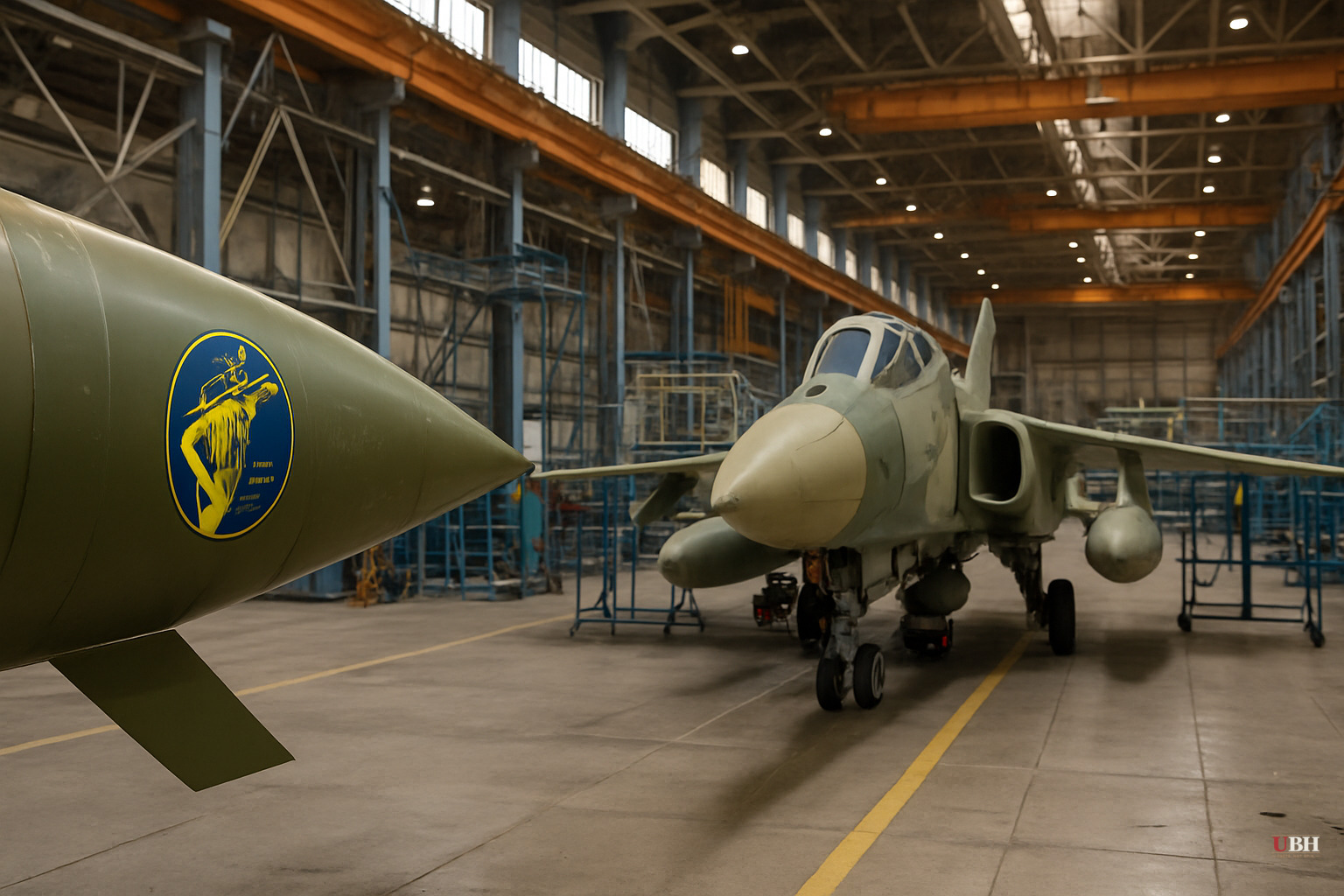
Since the ceasefire that ended active U.S.-Israeli strikes on Iran, the Islamic Republic has been doing what it always does when it senses the pressure has eased: it moves.
The Piranshahr Ambush
On July 1, 2026, six Peshmerga fighters from the Democratic Party of Iranian Kurdistan were killed in a clash with Iran's Islamic Revolutionary Guard Corps near Piranshahr in West Azerbaijan Province, according to Hejar Berenji, the PDKI's U.S. representative, who spoke directly to Fox News Digital. The fighters were identified by name: Karo Hormuziari, Fardin Changizi, Mohammad Khaki, Abdullah Mohammadpour, Twana Osmani, and Mohammad Amin Bayezidi.
Iran's IRGC told state media it killed five PDKI members in the same incident, framing the encounter as an ambush after the group crossed from Iraqi territory into mountainous border areas. Reuters cited Iranian state media for that account. The one-fighter discrepancy in the body count is unresolved.
Majeed Gly, president of the American Kurdish Committee, told Fox News Digital the clash is not routine border skirmishing. "This is not like periodic clashes on the border," Gly said. "This is operations, and it seems to be deep inside." He said Kurdish areas, including sites in the Kurdistan Region of Iraq, have been hit by more than 850 Iranian attacks since February, leaving at least six civilians dead and dozens wounded.
The strongest counter-reading is that Iran has genuine security interests in suppressing armed cross-border incursions, and the IRGC's version — that armed fighters crossed into Iranian territory — is at least facially consistent with how any state would respond to an armed border breach. Kurdish opposition groups have their own political incentives to frame every engagement as an IRGC aggression. Both things can be true simultaneously: Iran does have a serious Kurdish insurgency problem, and it has also spent months deliberately targeting Kurdish civilian infrastructure.
What is not in dispute: U.S. and Israeli planners had identified Iran's Kurdish west as a potential pressure point during the war and watched Kurdish factions stay out of the conflict, partly because Washington sent mixed signals, according to Fox News Digital. That calculation appears to be shifting on the ground, though nothing in the available sourcing supports calling it a full-scale uprising yet.
Khamenei's Funeral: The Regime's Legitimacy Spectacle
Funeral ceremonies for former Supreme Leader Ali Khamenei began Friday, spanning Iran and Iraq over several days. The body will lie in state in Tehran before traveling to the Shiite holy cities of Najaf and Karbala, then to Qom, with burial scheduled for July 9 at the Imam Reza Shrine in Mashhad, according to the Daily Wire.
Iranian authorities are projecting turnout in the tens of millions. The official slogan is "We Must Rise," paired with imagery of Khamenei's raised fist. Iranian President Masoud Pezeshkian explicitly tied attendance to international optics, urging citizens to show up as "a decisive response to the logic of terrorism, violence, and bullying."
Iran's chief negotiator and parliament speaker Mohammad Bagher Ghalibaf went further, telling citizens the "nation's call for vengeance must ring in the ears of the whole world." He is currently conducting nuclear talks from the Iranian side.
Foreign delegations from more than 30 countries are expected, per the Daily Wire. Pakistani Prime Minister Shehbaz Sharif and Tajikistani President Emomali Rahmon are among the highest-profile confirmed attendees, according to The Jerusalem Post as cited by the Daily Wire. China is sending senior lawmaker He Wei. India will send its deputy foreign minister and a state governor. Russia's Vladimir Putin dispatched former President Dmitry Medvedev as a special envoy, according to the Moscow Times.
Notably absent from that list: any sitting Western leader.
One genuinely open question is whether new Supreme Leader Mojtaba Khamenei, who reportedly suffered injuries in the attack that killed his father, will appear publicly during the ceremonies. No confirmed public sighting of him has been reported since he assumed power.
The Church Seizure: A Signal No One Should Ignore
While the diplomatic channel in Doha remains indirect and Iran demands respect for its sovereignty, the regime this week seized Tehran's historic St. Peter Evangelical Church and evicted the 20 families living there, according to the New York Post.
The church has roots in a 19th-century American missionary mission. Pastor Sasan Tavassoli told The Free Press that regime officials explained the move in blunt terms: "We were concerned about America all these years. America came. They slapped us on the face. We slapped them on the face back. And then America withdrew. So we are no longer afraid of America."
Iran arrested more than 300 Christians in 2024, according to the New York Post. The church seizure is an extension of that record.
President Trump has described Iran's new leadership as "very rational people" and "not radicalized." The church eviction, the Ghalibaf vengeance rhetoric, and the IRGC ambush in the Kurdish west all complicate that framing. The fair counter-argument is that Trump may be using flattery as a negotiating tool rather than as a factual assessment, and that public optimism can create diplomatic space even when conditions on the ground are grim. That is a plausible read. It does not explain why Iran's Assembly of Experts issued a religious decree calling for the deaths of both Trump and Israeli Prime Minister Benjamin Netanyahu, which the New York Post reported as a stated religious obligation to be carried out "under any circumstances."
The unresolved question heading into next week: whether Mojtaba Khamenei's public absence during his father's funeral reflects physical incapacitation, a deliberate security calculation, or a factional struggle over who actually controls the decisions being made in Doha.
Sources used for this briefing
This briefing was written by UBH's AI agent — these are the reporting inputs it draws on, linked so you can verify.


