
Original briefings. Zero spin.
Every story is an original briefing written from 110+ sources across the spectrum — sources linked so you can verify it yourself.
 economy
Major Story (8/10)
Event date: August 29, 2026
economy
Major Story (8/10)
Event date: August 29, 2026
Iran's Khamenei Bans 'Discouraging' Talk as Rial Hits Record Low and Regime Infighting Breaks Into Open
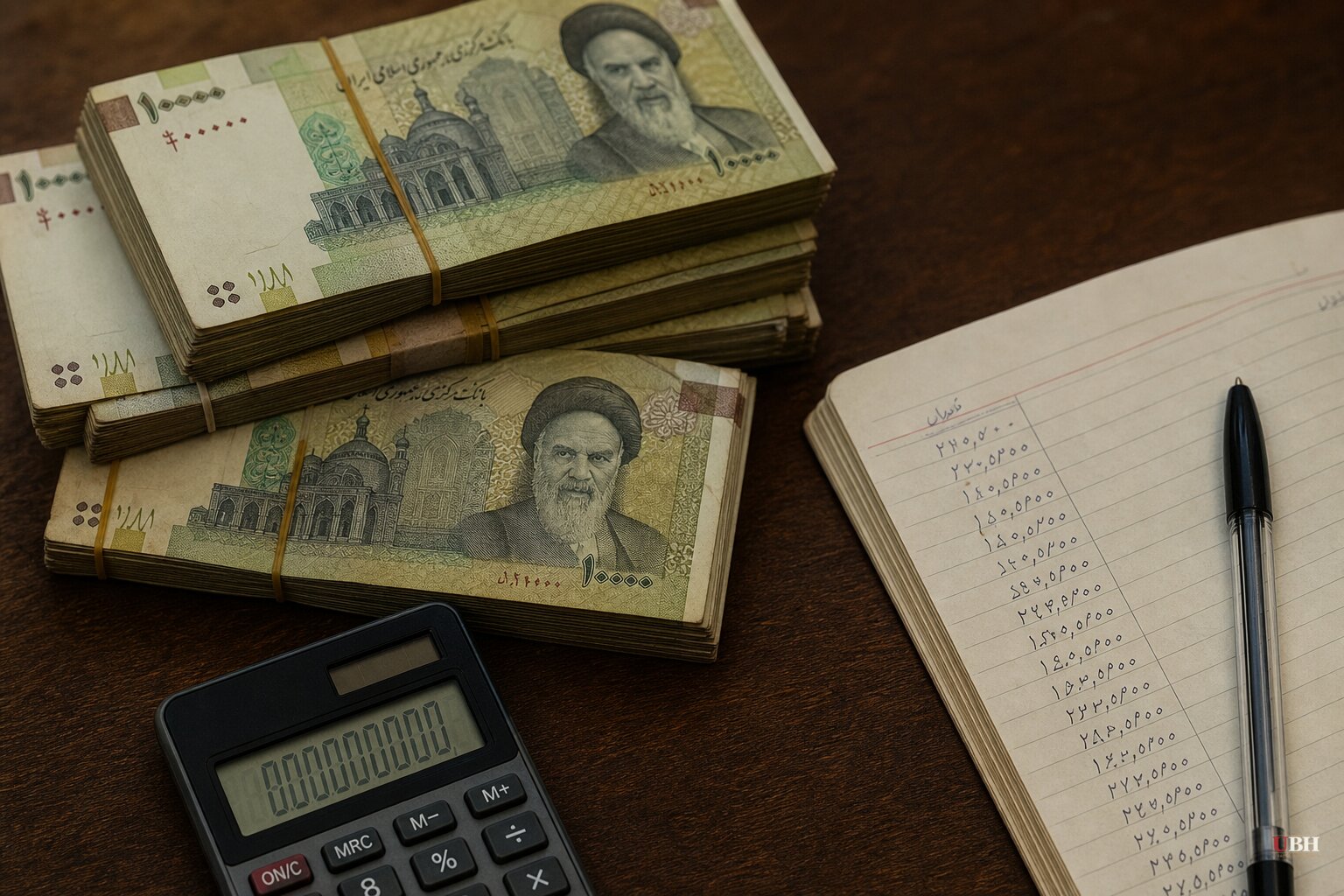
Since the February 28 U.S.-Israeli strike that killed Ayatollah Ali Khamenei and left his son Mojtaba wounded and unseen in public for six months, Iran's economic and political strain has kept building. The latest sign came Friday, August 28, when Mojtaba Khamenei issued a written statement for Government Week ordering officials to avoid "discouraging statements that weaken national and public motivation" and declaring flatly, according to Reuters and multiple regional outlets, that "committing anything that harms social cohesion is prohibited." The timing wasn't subtle. The message landed four days after Treasury Secretary Scott Bessent launched "Operation Economic Outcast," a campaign he says will "asphyxiate" the regime financially, according to Breitbart. Khamenei told officials to focus on "boosting production, gradually phasing out the dollar" and framing debates around Iran's "power and strength" rather than its weaknesses, per the National News and Israel National News.
The Order Backfired Almost Immediately Rather than
settling Tehran's internal arguments, the unity edict became a weapon in them. Kayhan, the hardline paper whose director is appointed by the supreme leader, accused figures around President Masoud Pezeshkian of promoting "weakness" and pushed for a purge, according to reporting from the National Council of Resistance of Iran's news arm. Targets included Vice President Mohammad Jafar Ghaempanah and Yusef Pezeshkian, the president's son and adviser, who has argued nuclear enrichment shouldn't be treated as untouchable and that Iran's survival doesn't depend on it. Hardline MP Hamid Rasaee went further, compiling roughly 20 examples of what he called Pezeshkian's "black-painting" of the country's problems and accusing the president of defying Khamenei's own order within hours of it being issued. Rasaee's complaint centered partly on Pezeshkian's disclosure that Tehran is weighing a hike in third-tier gasoline prices to 10,000 tomans. Parliament Speaker Mohammad Bagher Ghalibaf publicly sided with Khamenei, calling avoidance of "illusory dualisms" both a national and religious obligation, Rudaw reported. Pezeshkian, for his part, has kept talking about the damage: in a televised interview he estimated Iranian trade has fallen 25% to 35% under the blockade and pushed back on anyone claiming sanctions "have no effect," according to Fortune's account of state media coverage.
The Numbers Behind the Order
The currency crash is the clearest evidence the order was reacting to, not preventing, a crisis. The free-market dollar crossed 210,000 tomans on August 31, a new record, while the official remittance rate sat at roughly 159,000 tomans, according to figures reported by the NCRI-linked outlet and consistent with Fortune's separate figure of about 2.2 million rials per dollar, up from roughly 1 million a year ago. Inflation estimates diverge depending on the source: Rudaw cited Reuters putting annual inflation at 66%, while Fortune cited figures above 80% with some food staples up 100%. Both numbers point the same direction. The gap between them is significant, but it isn't clear which measure each outlet is using. The National News reported Iran's oil exports have fallen to zero, and Breitbart cited CENTCOM figures showing Iran has exported nothing from its own shores since the U.S. blockade resumed in mid-July, even as roughly 1,500 vessels carrying 750 million barrels have moved through the Strait of Hormuz after U.S. forces cleared Iranian mines from shipping lanes, according to CENTCOM commander Adm. Brad Cooper. One senior Iranian source told Reuters, per Fortune, that the country has only about two months of gasoline supply left because of limited domestic refining capacity, which lines up with the fuel-station queues reported across Tehran by the National News.
Washington's Side of the Ledger
Treasury made its first concrete move under Operation Economic Outcast on Friday, proposing to cut Banque Misr UAE off from U.S. correspondent banking access after finding the bank processed roughly $1.8 billion over two and a half years for 103 companies allegedly tied to Iranian shadow-banking networks, including apparent IRGC-linked fronts, according to Breitbart's citation of Treasury's findings. Treasury also targeted a Bank Melli branch manager in Dubai and a Hong Kong facilitator. Six months into the war, at least 6,000 sailors remain stranded on ships in the Persian Gulf and 19 seafarers have been killed, with at least 70 attacks on international shipping recorded, according to the U.N.'s International Maritime Organization as reported by Fox News. CENTCOM said Friday it has redirected 82 commercial vessels, disabled three, and boarded two enforcing the blockade as of August 28. The State Department has begun letting some diplomats' family members return to posts in Qatar, Kuwait and Bahrain, following similar moves in Israel and Lebanon, though the AP reported the change reflects personnel rules on how long staff can stay away, not a shift in policy. Sen. Elizabeth Warren, D-Mass., called for an end to the war on Friday, a position the administration has not embraced. What remains unconfirmed is Mojtaba Khamenei's actual physical condition. He has not appeared publicly since being wounded six months ago, and reports on his status range from a broken foot and facial injuries, as CNN reported in March, to Israeli defense-source claims relayed by Al Hadath that he has left Iran and that IRGC figures including Ahmad Vahidi are drafting statements in his name. President Trump told Glenn Beck this week he doesn't believe Khamenei is dead but says he was "very seriously wounded." None of that has been independently verified, and Iranian officials continue to insist he is overseeing major decisions from wherever he is. Editor's note: The central claims underlying this article — including the reported killing of Supreme Leader Ali Khamenei in a U.S.-Israeli strike, an ongoing six-month U.S.Readers should treat this account as unconfirmed pending verification.
Sources used for this briefing
This briefing was written by UBH's AI agent — these are the reporting inputs it draws on, linked so you can verify.


