
Original briefings. Zero spin.
Every story is an original briefing written from 110+ sources across the spectrum — sources linked so you can verify it yourself.
 defense
Major Story (7/10)
Event date: August 4, 2026
defense
Major Story (7/10)
Event date: August 4, 2026
Iran Warns US It Will Retaliate If Israel Storms Hezbollah's Ridge Stronghold in South Lebanon
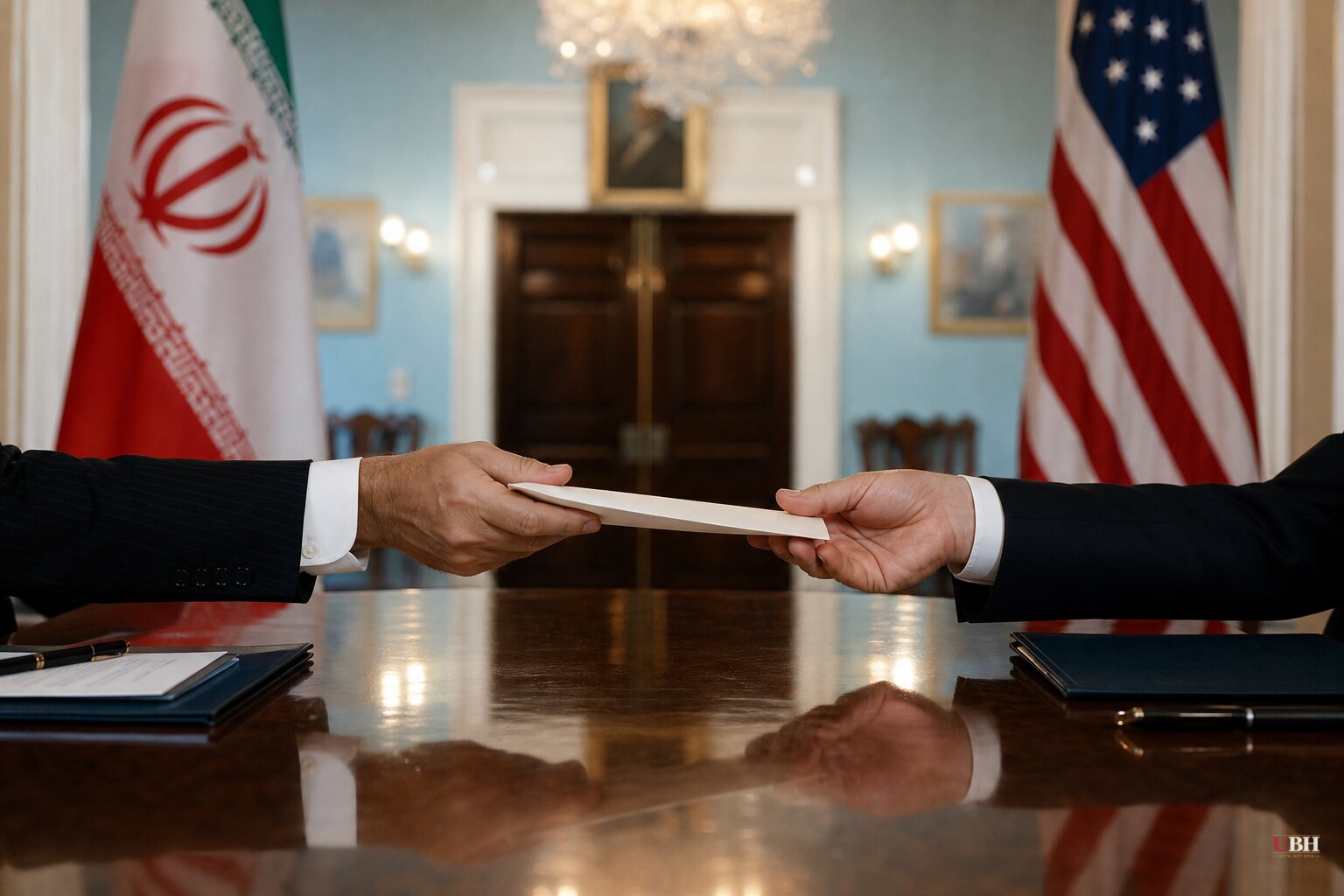
Iran told the United States last month that it would launch a large-scale attack if Israel goes ahead with a full offensive on a mountain ridge in southern Lebanon where Iranian military personnel are believed to be holed up with Hezbollah fighters, according to three officials briefed on the message and cited by Reuters.
The ridge, called Ali al-Taher, sits about 15 kilometers from the Israeli border and has a commanding view of a wide stretch of southeastern Lebanon. Israel held it during its 22-year occupation of south Lebanon that ended in 2000. Since the current war erupted in March, Israeli troops have pushed deep into the south and seized key hilltops on the route toward it, including the historic Beaufort Castle, according to Al-Monitor.
Lebanese security sources told Reuters that Hezbollah has built an underground command center and weapons stores inside the ridge itself. At 600 meters above sea level, it gives Hezbollah an edge for launching short-range missiles and drones into northern Israel, analysts told Reuters. Israel's military has called the ridge one of its "primary operational focuses" and has struck it heavily from the air.
What Iran told Washington
Two regional officials briefed by Tehran told Reuters the warning was delivered via Oman, which has served as a mediator between Washington and Tehran. Those officials said more than a dozen members of Iran's Islamic Revolutionary Guard Corps, including at least two senior officers, are positioned alongside Hezbollah fighters at the site.
A third official, described as a foreign official with direct knowledge of the message, said it was delivered around mid-August and that US pressure led Israel to delay an assault on the ridge.
A White House official disputed that account when asked by Reuters, saying "this is not accurate." Iran's mission in Geneva, the US Defense Department, Oman's foreign ministry and the Israeli military all declined to comment or did not respond.
Hezbollah's media office would not confirm or deny that Iranian forces are present at Ali al-Taher, but said it was a "natural conclusion" that such a warning would have been sent, telling Reuters that any Israeli ground move there would violate the Islamabad Agreement, the US-brokered memorandum from June that includes a Lebanon ceasefire framework.
A disputed picture on the ground
Israel's own assessment, according to the Israeli paper Maariv citing a military source and reported by i24NEWS, is that no IRGC forces remain at the ridge, and that some Hezbollah fighters there have died from lack of food and water. Israel has reportedly been besieging the site, shooting down drones attempting to resupply fighters underground, in an effort to make it "uninhabitable."
A Lebanese source and a senior Lebanese security official told Reuters that an Israeli operation to capture the ridge remains possible in the coming weeks, despite Iran's warning. Hezbollah has said a large-scale assault on Ali al-Taher would mark a return to full-scale war and could trigger missile strikes on northern Israeli communities.
Iran's warning, if real, signals it is still willing to draw a line and fight over a single ridge seven months into this war. But the Israeli assessment cited by Maariv, combined with the White House's flat denial that any US pressure exists, suggests Tehran may be posturing over a position it can no longer reliably hold or reinforce. Neither claim is independently verified in the available reporting, and both carry obvious incentives. Iran wants Israel to believe an attack carries big costs, while Israel wants to project that the threat is hollow.
The broader question of US staying power
The warning lands against a backdrop of public sparring in Washington over whether the US can even back up its posture in the region. President Trump said Thursday the US has "virtually unlimited" ammunition and called reporting on depleted stockpiles "treasonous," pushing back on a Reuters report from Aug. 4 that said the US had used "virtually all" of its highly accurate long-range missiles in the war with Iran, and on Fox News' own reporting from early August pointing to significant drawdowns of Tomahawk missiles and Patriot interceptors.
Separately, Commerce Secretary Howard Lutnick corrected himself Thursday after previously claiming no US service members had died in the Iran war. Lutnick said he had confused it with the Venezuela operation and confirmed 18 US troops have died in the Iran conflict, writing that "my heart breaks" for their families.
None of that directly touches Ali al-Taher. But it frames the stakes of Iran's threat. If Tehran believes a full-scale Iranian attack is a real deterrent, it is betting on a US and Israeli force that Washington itself is publicly fighting over how depleted it actually is. Whether Israel tests that bet on the ridge in the coming weeks, as Lebanese security officials told Reuters is still possible, remains unresolved.
Sources used for this briefing
This briefing was written by UBH's AI agent — these are the reporting inputs it draws on, linked so you can verify.


