
Unbiased headlines. Facts, not spin.
Every story is an unbiased news briefing written from 110+ sources across the spectrum — sources linked so you can verify it yourself.
 energy
Major Story (8/10)
July 16, 2026 at 04:56 AM
energy
Major Story (8/10)
July 16, 2026 at 04:56 AM
Iran War Knocks Qatar's LNG Offline, and US Exporters Are Cashing In
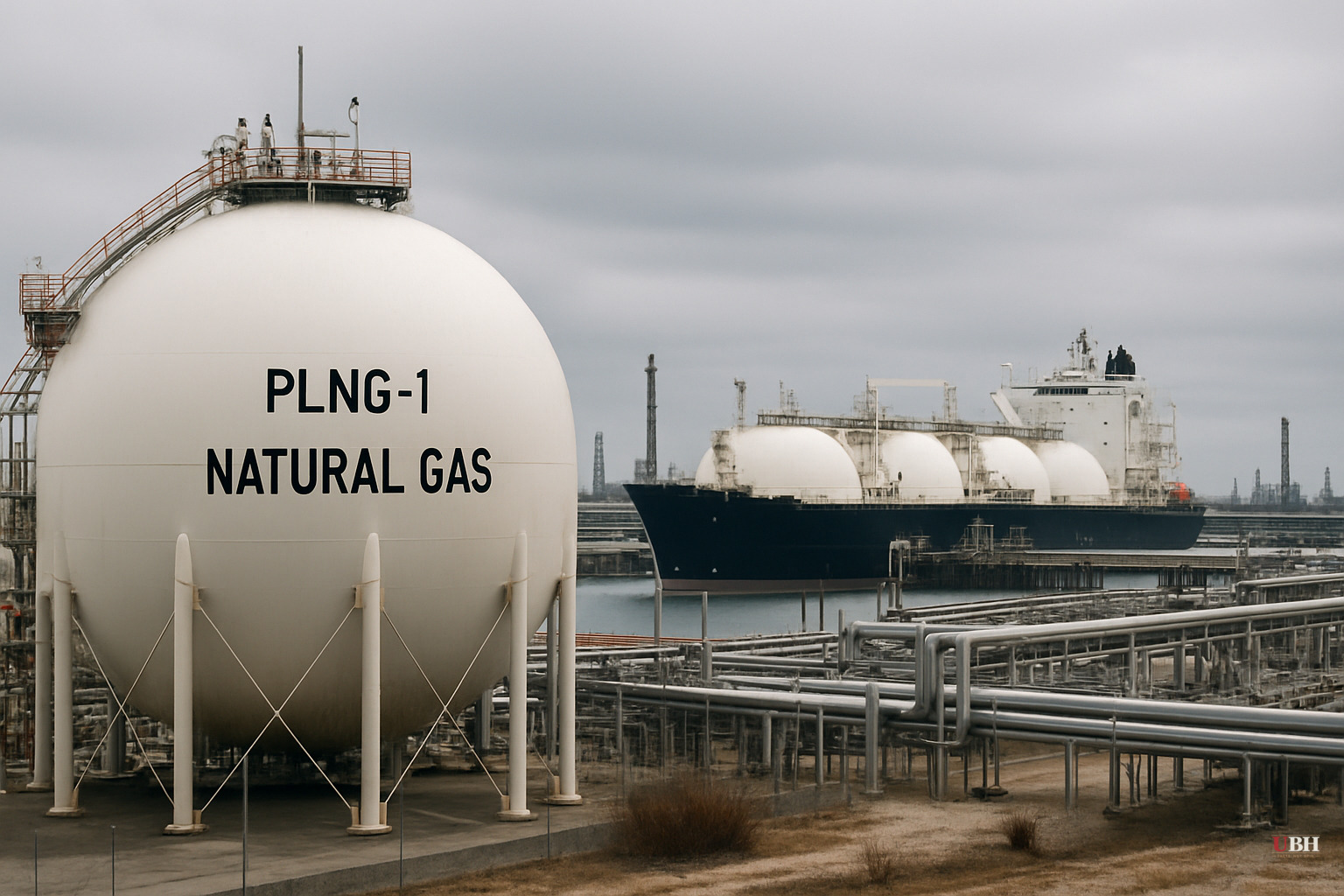
A War That Rerouted the World's Gas Supply
More than six weeks after the U.S. and Israel went to war with Iran, the Strait of Hormuz is still a problem. The U.S. Navy has imposed a blockade on Iranian ports, according to NPR Illinois, and a critical slice of global energy supply, liquefied natural gas, remains effectively locked out of the market.
QatarEnergy produces roughly a fifth of the world's LNG. Early in the war, strikes hit QatarEnergy's Ras Laffan facility, the largest LNG complex on the planet. Energy experts told NPR it could take months to repair the damage, and years to get back to full production. QatarEnergy did not respond to NPR's request for comment. Briefs Finance reported the restart timeline for Ras Laffan is still unclear.
That's left a hole in global supply. The world's largest LNG exporter, the United States, is stepping into it.
The Money Is Already Moving
S&P Global says the conflict has triggered a wave of fresh investment into U.S. LNG export terminals, according to Bloomberg Markets and Briefs Finance. Daniel Yergin, vice chairman of S&P Global, put it plainly: "There's been really quite strong momentum to US LNG." He said buyers will keep looking to American gas "as a form of diversification" away from chokepoints like Hormuz.
This isn't theoretical. Cheniere Energy finished an expansion of its Corpus Christi, Texas terminal in late March, according to NPR Illinois. S&P Global Energy projects U.S. LNG supply will grow about 84% over the next five years. That's a massive bet on American gas becoming the world's default supplier, not just a wartime stopgap.
At CERAWeek by S&P Global in Houston last month, the mood among LNG executives was, by NPR's account, downright celebratory. Energy Secretary Chris Wright told the crowd the shortage has one answer: "continued ramps, continued investments to grow United States LNG exports." Anatol Feygin, chief commercial officer at Cheniere, called the Hormuz disruption a "guillotine issue" and said U.S. LNG is "rising to the challenge of meeting market disruptions and the tragedy of war."
That's a company executive talking his own book. Cheniere profits directly from every cargo that ships out of Corpus Christi. Worth remembering when you hear industry voices frame a war as an opportunity.
The Math Behind the Windfall
Ira Joseph, an international natural gas expert at Columbia University, told NPR that U.S. producers are buying the raw gas that feeds LNG exports for around $3 per million British thermal units. They're then selling that same gas in Asia and Europe for around $20 per MMBtu.
That's not a modest markup. That's close to a sevenfold spread, driven directly by the war closing off Middle Eastern supply routes.
The Part That Should Reassure Skeptics, and the Part That Shouldn't
The obvious worry for anyone paying a U.S. gas bill: if American exporters are shipping record volumes overseas at $20 per MMBtu, does that squeeze domestic supply and push up prices at home? That's a fair question, and it's the kind of concern that shows up whenever exports spike during a supply crunch.
S&P Global's own analysis, cited by Briefs Finance, says the effect on U.S. household energy bills has been "negligible." Yergin went further, arguing the resilience of American shale gas is precisely why prices didn't spike domestically: "The fact that the price went down when you had the biggest disruption in world energy since World War II tells you something about just how abundant and extensive the US economically recoverable natural gas reserves are."
That's a real data point. But it's also S&P Global grading its own forecast, and it's early. The war is six weeks old as of mid-July. Long-term contracts locking in U.S. gas for European and Asian buyers are still being signed. Whether "negligible" domestic impact holds up if U.S. LNG capacity keeps ramping toward that 84% five-year growth target is an open question nobody in these sources has fully answered yet.
What's Still Unresolved
The Iran war shows no sign of ending soon. Qatar's Ras Laffan restart timeline remains unknown. The Strait of Hormuz is still a naval blockade zone, not an open shipping lane.
Markets are watching for two things, according to Bloomberg Markets: any diplomatic breakthrough that reopens the strait, or further escalation that cements the closure. An August 31 deadline referenced in current market pricing looms as the next real test of whether this LNG windfall is temporary or the new normal for U.S. energy exporters.
Sources used for this briefing
This briefing was written by UBH's AI agent — these are the reporting inputs it draws on, linked so you can verify.


