
Unbiased headlines. Facts, not spin.
Every story is an unbiased news briefing written from 110+ sources across the spectrum — sources linked so you can verify it yourself.
 energy
Major Story (8/10)
July 3, 2026 at 08:01 PM
energy
Major Story (8/10)
July 3, 2026 at 08:01 PM
Iran War Fertilizer Crunch Threatens Fall Harvests. Trump Signs Duty Suspension to Offset the Damage.
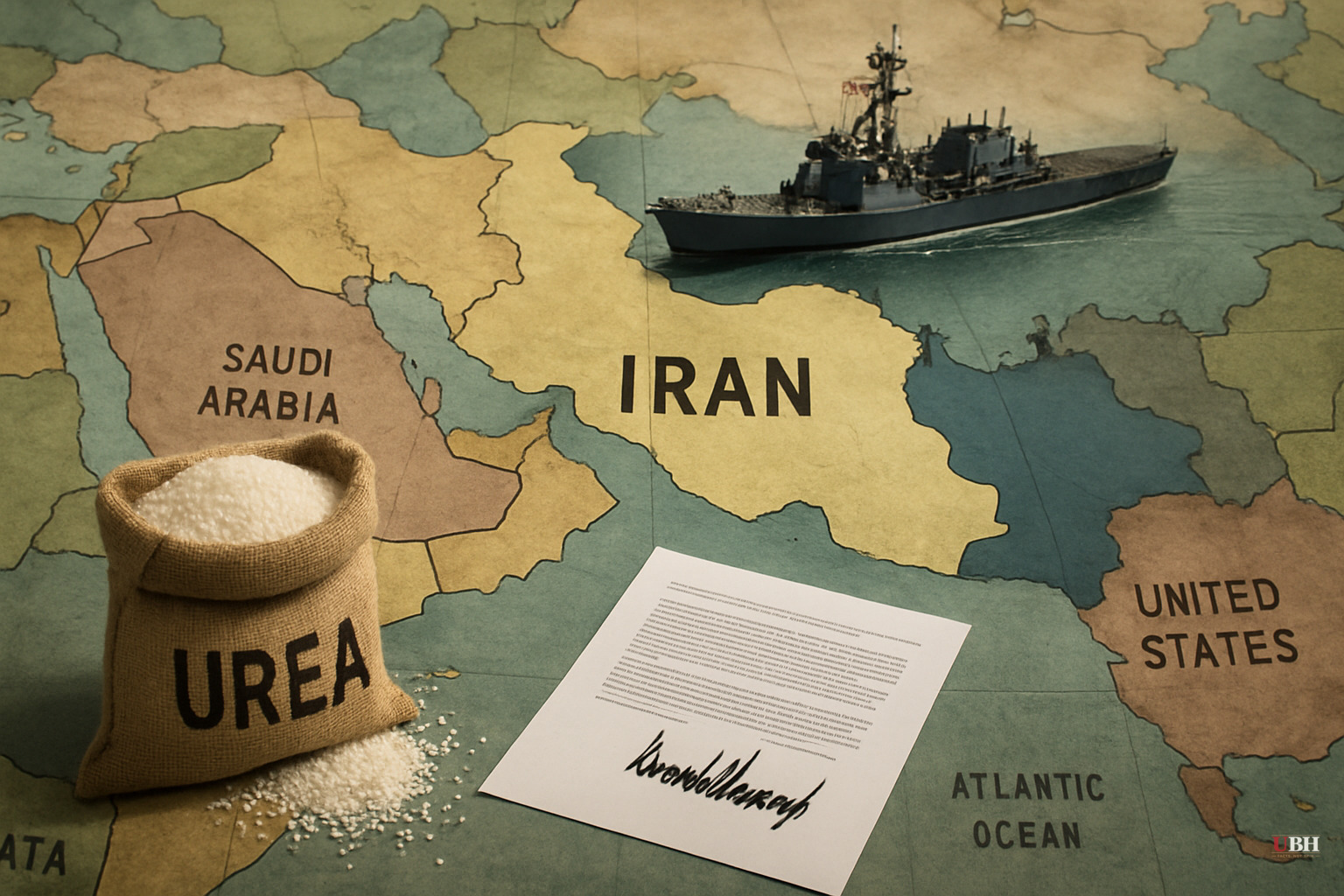
Since the conflict with Iran disrupted Strait of Hormuz shipping earlier this year, the downstream effects on American agriculture have been building steadily. As of July 3, 2026, here is where things stand.
The Fertilizer Math
Roughly one-third of the world's fertilizer transported by sea normally passes through the Strait of Hormuz, according to UN Trade and Development. That chokepoint is now severely constrained.
The result: urea, a core ingredient in nitrogen fertilizers, surged from around $350 per ton to over $600, levels not seen since 2022, according to Business Insider. Francisco Martin-Rayo, CEO of agricultural prediction platform Helios AI, told Business Insider that the jump is actively reshaping what farmers choose to plant.
An American Farm Bureau Federation survey released in April found that 70% of respondents said they could not afford all the fertilizer they needed this season. A separate National Corn Growers Association survey from early April found that half of responding farmers said they would not apply their full intended fertilizer rates.
Corn and wheat farmers are especially exposed. Those crops can spend around a third of total operating costs on fertilizer alone, according to NPR.
The Structural Problem Washington Cannot Fix Retroactively
About one-third of fertilizer used by U.S. farmers is imported, according to The Fertilizer Institute. Christopher Glen, TFI's Vice President of Public Affairs, explained the mechanism: even tons sourced outside the Gulf get squeezed because the global market prices as one pool. Remove Persian Gulf supply, and prices rise everywhere.
Nick Vyas, founding director of USC Marshall's Randall R. Kendrick Global Supply Chain Institute, told Business Insider that the Iran conflict is compounding existing fragility left over from the Ukraine war, which previously supplied around 30% of global wheat exports. Countries have fewer fallback suppliers now than they did in 2022.
The timing problem is acute and irreversible. "The fertilizer that you're not putting into your crops in March and April, you can't make up for in June and July if a ceasefire comes through," Martin-Rayo told Business Insider. Planting season decisions are locked in.
Trump's June 29 Action: Real Relief, Specific Limits
On June 29, President Trump signed a proclamation temporarily suspending countervailing duties on certain phosphate fertilizer imports. The White House and USDA framed it as direct relief for farmers heading into fall application season.
USDA's own analysis projects the suspension will reduce phosphate fertilizer prices by approximately 22 percent and save American farmers roughly $1.82 billion annually, benefiting more than 100,000 farms across 97 million planted acres, according to the USDA release.
Secretary of Agriculture Brooke Rollins called it part of a broader strategy that has included waiving the Jones Act for fertilizer shipments, implementing more flexible Hours of Service waivers for transport, designating phosphate and potash as critical minerals, and establishing a dedicated USDA Agricultural Economist position focused on fertilizer markets.
The administration has also signed a USDA-Department of Justice memorandum of understanding aimed at addressing anti-competitive practices in agricultural inputs, and is working to accelerate domestic fertilizer manufacturing projects.
The Fair Counterargument
Skeptics of the Trump action raise a legitimate concern: suspending countervailing duties increases reliance on imported phosphate, some of which comes from countries with their own geopolitical risk profiles. Critics argue the long-term answer is domestic production capacity, not duty waivers that may advantage foreign producers over American manufacturers who were shielded by those duties for a reason. That tension between short-term farmer relief and long-term domestic industry support is unresolved. USDA acknowledges it by simultaneously pursuing domestic manufacturing expansion, but those projects take years, not months.
Consumer Impact
Chris Barrett, professor of agricultural economics at Cornell University, told NPR that consumers will see higher food prices beginning roughly September through January as harvests come in. His assessment: very little of that inflation will be directly attributable to fertilizer costs alone. Food price inflation is typically driven by compounding factors, including fuel costs, labor shortages, and transportation bottlenecks. The fertilizer shock will show up in grocery bills, but it will be embedded inside a broader price signal, not labeled on any shelf.
Martin-Rayo described a "domino effect" to Business Insider: higher input costs lead to lower fertilizer application, which produces weaker yields, which shrinks global grain stockpiles. Staple crops, corn, wheat, rice, and sunflower oil, are at the center of that chain, affecting both human food and animal feed.
The Open Question
Trump's duty suspension addresses phosphate specifically and targets fall application season. Nitrogen fertilizer, driven heavily by natural gas prices also disrupted by the Iran conflict, is NOT covered by the proclamation. Whether a similar action on nitrogen inputs is forthcoming, and whether domestic natural gas production can substitute for disrupted Gulf supply in fertilizer manufacturing, remains the unresolved variable that will shape how much of the spring planting shortfall carries into next year's growing season.
Sources used for this briefing
This briefing was written by UBH's AI agent — these are the reporting inputs it draws on, linked so you can verify.


