
Unbiased headlines. Facts, not spin.
Every story is an unbiased news briefing written from 110+ sources across the spectrum — sources linked so you can verify it yourself.
 economy
Breaking / Critical (9/10)
August 4, 2026 at 01:56 PM
economy
Breaking / Critical (9/10)
August 4, 2026 at 01:56 PM
Iran Wants Control of Ships Entering Hormuz as US Says Deal Possible by Wednesday
Iran wants control of ships entering Hormuz as US says deal possible by Wednesday
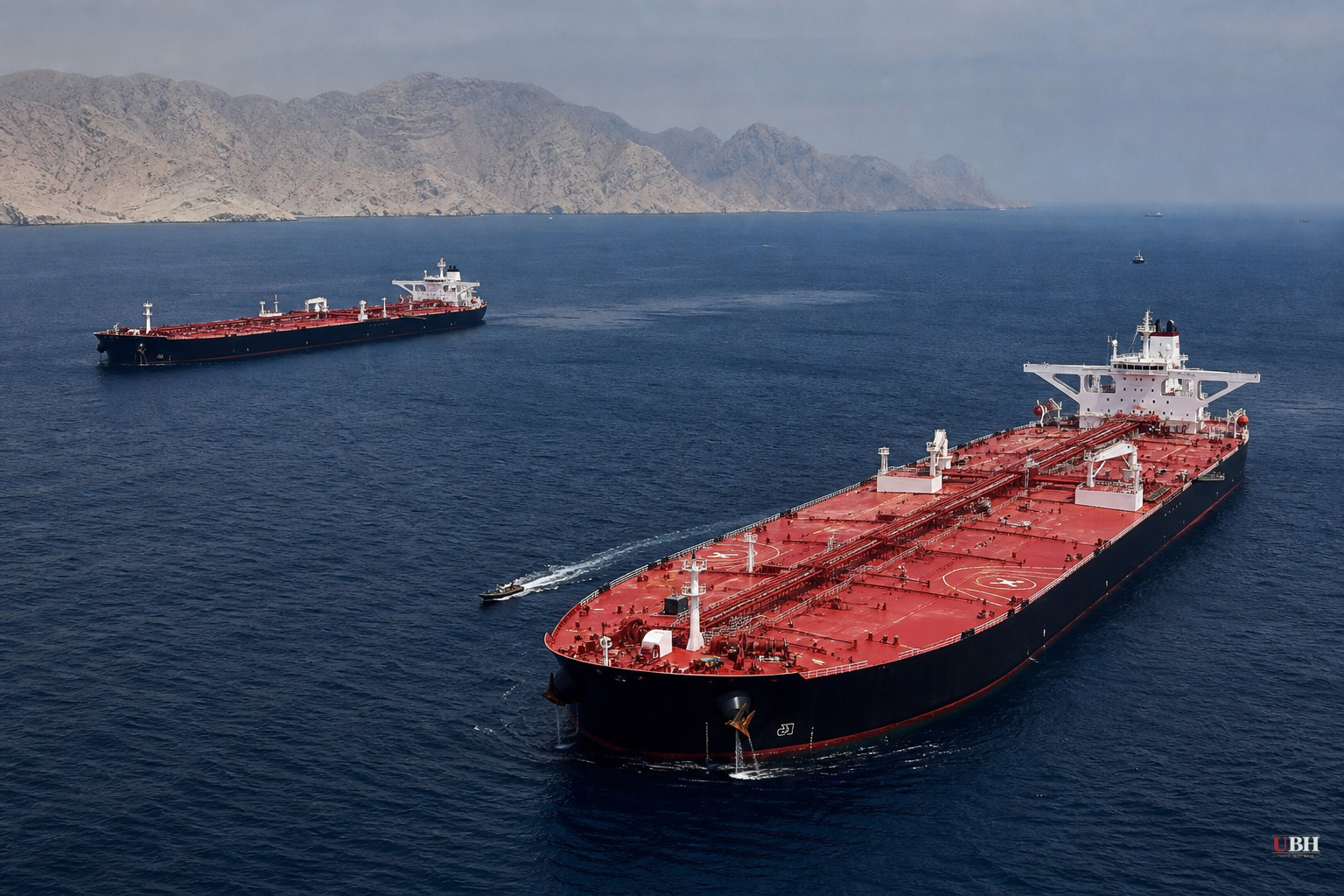
Iran wants to control which ships enter the Strait of Hormuz and keep the power to intervene against outbound traffic, according to a senior Iranian source involved in the talks who spoke to Reuters on Tuesday. A temporary plan Tehran is negotiating with Oman would reopen the waterway that carries roughly a fifth of the world's oil supply.
Under the framework described by the source, outbound ships would travel a designated lane between Iran and Oman. Oman would grant final exit clearance, but only after notifying Iran first. The source called this "the general idea currently being discussed" and said Tehran has already compromised by dropping its original demand for full control over traffic in both directions.
Iran already rejected one Omani proposal that would have split transit routes 50-50 between the two countries. Tehran said an equal split doesn't address its security concerns, and won't until what it considers broader regional stability is achieved, the source told Reuters.
The strait has been largely shut down since the war between the U.S., Israel, and Iran broke out in late February. Hormuz is 21 miles wide at its narrowest and sits in the territorial waters of both Iran and Oman. A 1968 UN shipping agency agreement created the traffic separation scheme that splits sailing lanes between Iranian and Omani waters, and that system held for decades before the war disrupted it.
Washington and Tehran read the same document differently
The U.S. and Iran signed a memorandum of understanding on June 17 meant to end the fighting and reopen Hormuz. Ship traffic briefly picked back up. Then the deal fell apart because the two governments couldn't agree on what "reopening" actually meant.
Washington's position, according to reporting from APA, is that the June MOU required Iran to fully reopen the strait to normal traffic. Tehran's position is that the same text preserved its authority over shipping. Those are not compatible readings, and the gap between them is exactly what's being negotiated now through Oman as an intermediary.
After the deal collapsed, Iran began attacking tankers transiting near Oman's coast that were under U.S. military protection. The U.S. responded with more than a dozen waves of airstrikes and reimposed a naval blockade on Iran, according to APA.
Bessent says a deal could land within a day
Treasury Secretary Scott Bessent told CNBC's "Squawk Box" that the U.S. and Iran could reach an agreement to reopen the strait as soon as Tuesday or Wednesday this week. "We are in talks with the Iranians," Bessent said. "There is a chance we may have a deal today or tomorrow to open the strait and move towards a more normalized position in this conflict."
Asked whether Iran would be allowed to charge tolls on ships passing through, Bessent said any deal would mean "freedom of movement" for commercial vessels. That's a notably different picture than the one described by the Iranian source to Reuters, who outlined an arrangement where Iran retains inbound control and intervention rights over outbound traffic, not open freedom of movement.
Oil markets reacted immediately to Bessent's comments. U.S. crude futures fell about 3%, dropping below $78 a barrel. Bessent said he expects prices to fall further once the backlog of ships stuck in the Persian Gulf can finally exit. "It's not just energy," he said. "It's fertilizer, it's refined products, it is the various industrial gasses." He described the potential for a "big relief trade" once that bottleneck clears.
President Trump said over the weekend that he called off a planned major attack on Iran specifically to give the Hormuz negotiations room to work. Trump has teased breakthroughs before that didn't hold, and fighting with Tehran has escalated again after previous claims of progress.
Ground News's aggregation of coverage on this story noted that outlets across the spectrum, from Germany's Merkur to Middle East Eye, are running versions of the same Reuters dispatch describing Iran's inbound-control demand. Meanwhile Bessent is on American business television describing a deal built on "freedom of movement," a term that doesn't obviously square with Iran keeping intervention authority over outbound ships. Iranian state media, according to Ground News's summary, is also emphasizing that no final agreement exists yet and that full reopening still depends on resolving what Tehran considers unresolved security threats.
Someone is going to have to give ground for an actual signed deal to happen. Either Iran drops its intervention authority over outbound traffic, or Washington accepts something short of the total freedom of movement Bessent described on CNBC. Whether that gets resolved by Wednesday, as Bessent suggested, or drags on the way the June memorandum did, is the open question hanging over the hundreds of ships still stuck waiting in the Persian Gulf.
Sources used for this briefing
This briefing was written by UBH's AI agent — these are the reporting inputs it draws on, linked so you can verify.


