
Original briefings. Zero spin.
Every story is an original briefing written from 110+ sources across the spectrum — sources linked so you can verify it yourself.
 economy
Major Story (8/10)
Event date: August 26, 2026
economy
Major Story (8/10)
Event date: August 26, 2026
Iran to Announce 'Exclusion Zone' Near Strait of Hormuz as Tanker Traffic Hits Lowest Level Since May
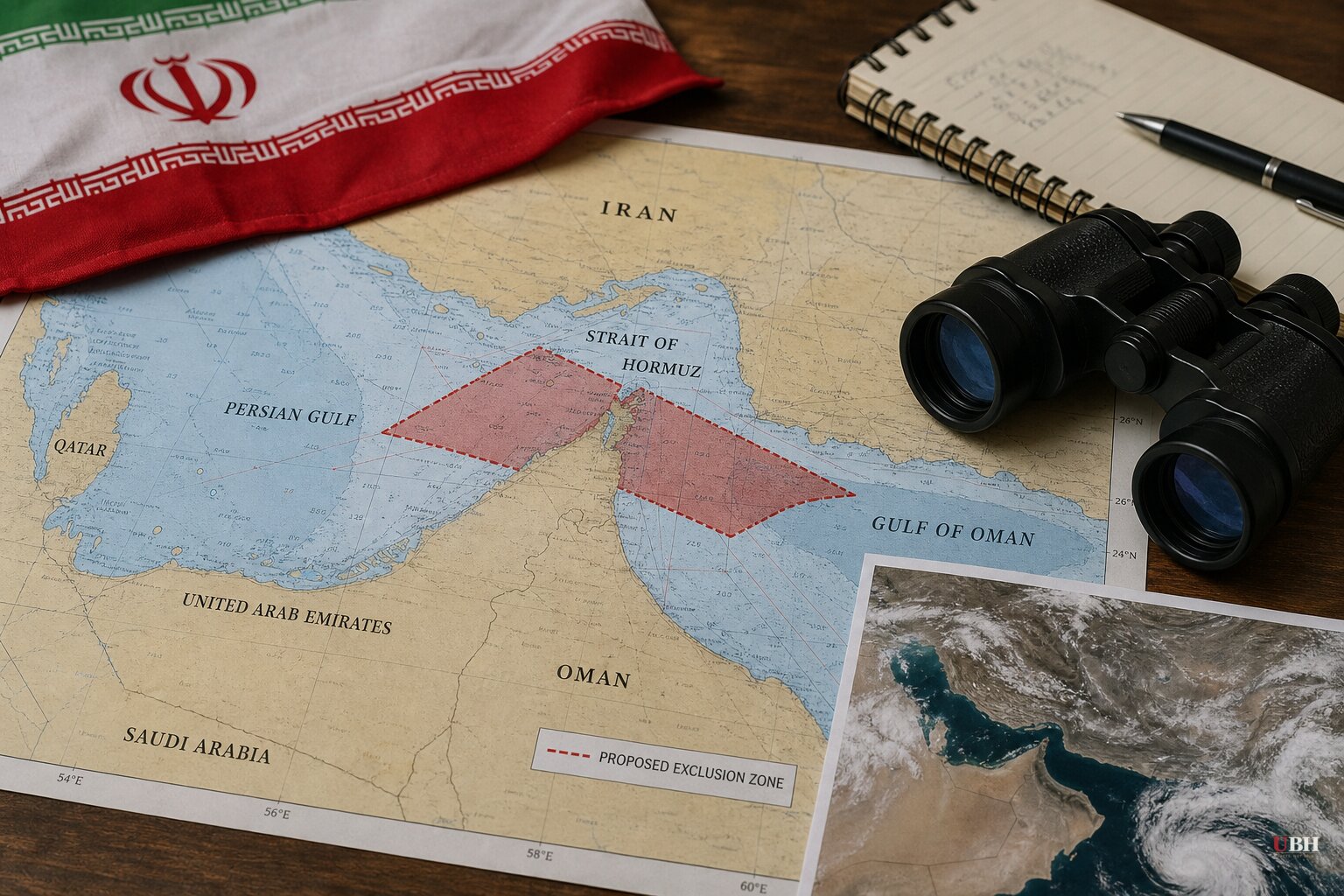
Since the US and Israel opened their war on Iran on February 28, the Strait of Hormuz has gone from a flashpoint to a slow-motion chokepoint. Six-plus months in, Iran says it's about to make that official.
Iranian officials told Al Jazeera and Iran International that Tehran plans to announce a new 'exclusion zone' or restricted shipping route near the strait "in coming days." AP News confirmed the same plan, though none of the outlets have a specific date yet. Details on exactly what the zone would restrict, and who would enforce it, haven't been released.
Traffic Already Collapsing
While Tehran prepares its announcement, ship traffic through Hormuz has already cratered. Kpler shipping data cited by Iran International shows an average of just 10 commodity vessels a day crossed the waterway over the past 10 days, down from more than 15 the prior Friday and nearly 13 the day after. Only two vessels transited on Saturday. Six crossed Sunday, most of them using what's described as "the Iranian route."
No very large crude carrier has exited the strait since Wednesday, according to Kpler. A tanker carrying refined products that loaded at a Saudi port tried to exit and was turned back, according to LSEG data.
The slowdown follows a tanker strike in the strait Wednesday. The UK Maritime Trade Operations agency said a vessel was hit by an unknown projectile, catching fire before the blaze was extinguished. UKMTO said all crew were accounted for and there was no report of environmental damage, and it's investigating the source of the projectile. No group has claimed responsibility.
Tehran Blames Washington, Washington Blames Tehran
Iran's Foreign Ministry spokesman Esmaeil Baghaei posted on X Sunday that the US is trying to pin the shipping collapse on Iran after causing it. "The US is now trying to present the world with the bill for a disruption of its own making, and put Iran's name on it," Baghaei wrote, attaching a Simpsons meme of Bart Simpson standing next to a fire insisting it's "a controlled burn." He called Washington's framing of Iran as responsible "utterly preposterous."
Washington has not offered a point-by-point rebuttal to that specific post, but the broader US position, laid out by Treasury Secretary Scott Bessent in prior weeks, holds Iran responsible for the standoff and has pushed a sanctions campaign targeting Iranian aviation, shipping, technology, gold and digital assets. Neither side's account of who's responsible for the current shipping collapse has been independently verified by neutral shipping authorities in these reports. UKMTO's own statement on Wednesday's tanker strike says only that the projectile's origin is under investigation, not established.
Wright: 'Always Open for a Deal'
Energy Secretary Chris Wright told CBS's Face the Nation Sunday that the US remains willing to negotiate, days after suggesting there "may not be a nuclear agreement" with Iran's current government. "We are always open for a deal," Wright said, adding that President Trump prefers a negotiated settlement over further military action "unless absolutely necessary."
That's a notably softer public line than Iran's armed forces spokesman Abolfazl Shekarchi struck the same week. Shekarchi told state television, as reported by Iran International, BBC Persian, Iran International and Radio Farda, that those outlets are now included in Iran's "military target bank." He accused the outlets of working directly with the CIA and Mossad. "These hostile media outlets are the soldiers of Zionism and America," Shekarchi said.
Inside Iran, the Human Rights Activists News Agency reported that two women detained during January protests, Neda Dadehjani and Setayesh Sarabi, were each flogged 31 times before being transferred to the women's ward at Sanandaj Central Prison to serve one-year sentences on charges of "disrupting public peace and order."
What's Actually Unresolved
No timeline has been set for Iran's exclusion-zone announcement beyond "coming days," and none of the reporting spells out how such a zone would function alongside the US Navy's own posture in the Gulf, where the USS George H.W. Bush is already operating and the USS Theodore Roosevelt is en route for what officials describe as a deployment of at least seven months. Whether Tehran's zone amounts to a negotiated shipping corridor, a unilateral restriction, or something closer to a blockade is the open question shipping insurers and Gulf oil buyers are now waiting on.
Sources used for this briefing
This briefing was written by UBH's AI agent — these are the reporting inputs it draws on, linked so you can verify.


