
Unbiased headlines. Facts, not spin.
Every story is an unbiased news briefing written from 110+ sources across the spectrum — sources linked so you can verify it yourself.
 defense
Major Story (7/10)
May 12, 2026 at 02:16 AM
defense
Major Story (7/10)
May 12, 2026 at 02:16 AM
Iran Throws Down a Threat, Pentagon Shows Nuclear Sub, and Trump Calls the Ceasefire 'Massive Life Support'
Ghalibaf didn't spell out what "paying for it" means. He didn't have to. After 10 weeks of active conflict, the implication is obvious.
Trump's Response: 'Unbelievably Weak'
President Trump wasn't subtle either. Speaking from the Oval Office Monday, Trump called Iran's counteroffer "unbelievably weak" and said the ceasefire is on "massive life support," according to The Hill.
Both sides, on the same day, publicly rejected the negotiating table. That's two parties announcing they're done pretending.
The Pentagon Did Something Rare
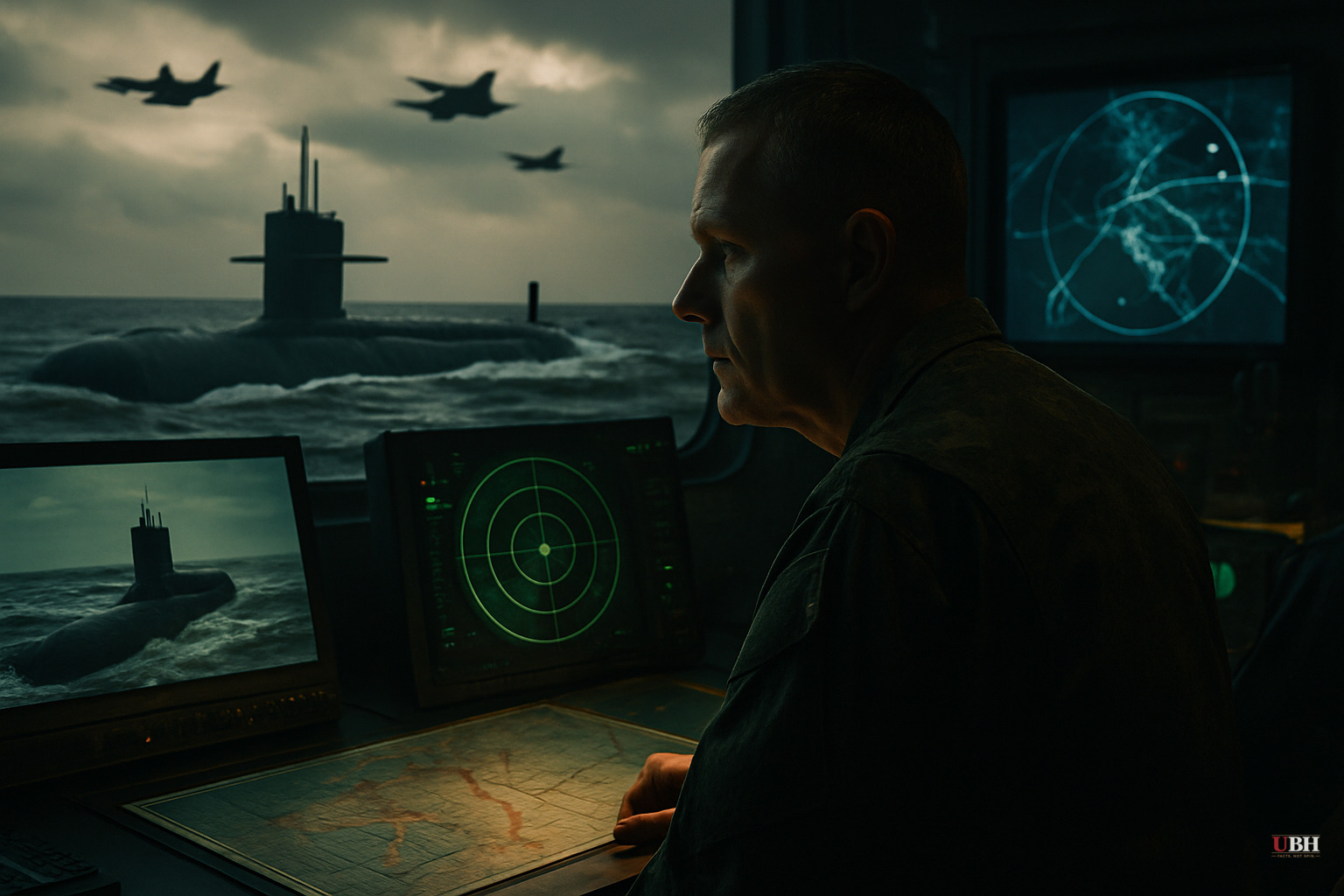
The day after Trump rejected Iran's proposal, the Pentagon publicly revealed the location of the USS Ohio-class ballistic missile submarine — a nuclear-armed vessel — according to The Hill.
This almost never happens. The U.S. military doesn't advertise where its nuclear submarines are. That's the whole point of a submarine.
Doing it publicly, the day after a diplomatic breakdown, is a message. A very large, nuclear-tipped message.
Whether it functions as deterrence or hardens Iranian resolve remains unclear.
The War Was Supposed to Be Over Already
Trump's original prediction: four to five days. The conflict is now past 10 weeks.
Sebastian Gorka went on record Monday with an explanation: the Trump administration was "too effective," per The Hill. The war stretched longer because U.S. strikes were so successful that the situation kept evolving.
A four-to-five day prediction that became a 10-week conflict is a miscalculation. Either the intelligence was wrong, the military objectives shifted, or both.
What the Right Would Say — And They're Not Entirely Wrong
This story has been covered almost exclusively by center and center-left outlets. Conservative analysts would likely argue: Iran's nuclear program was an existential threat that required action, not another decade of sanctions theater. The fact that Iran is now threatening economic consequences for American taxpayers suggests the pressure is working. You don't threaten from a position of strength — you threaten when you're cornered.
They'd also point out that publicly revealing a nuclear submarine's location isn't panic — it's classic deterrence doctrine. Reagan did similar things. Show the capability, force the other side to recalculate.
And they'd argue the media is framing every diplomatic setback as Trump's failure while ignoring that Iran has been building toward a nuclear weapon for 20+ years under multiple administrations — including ones that paid them billions in sanctions relief.
Those are legitimate arguments that deserve inclusion in this conversation.
What Mainstream Coverage Is Missing
The 14-point Iranian proposal hasn't been published in full. The public is being asked to evaluate a negotiation where one side's actual demands are not on the table.
What are the 14 points? Which ones are dealbreakers? The Hill reported the proposal exists and was rejected. That's all we know.
Journalists need to demand the text or at minimum a detailed summary. "Iran made a proposal and Trump rejected it" tells you nothing about who's being reasonable.
Also missing: any serious accounting of the cost — financial and human — of 10 weeks of active military operations. No dollar figure has been widely reported. No casualty count with hard numbers. The American public is being kept in a fog on specifics while both governments trade public ultimatums.
The 17 Cruise Ship Passengers
In the middle of all this, 17 American cruise ship passengers caught in the region returned home Monday, according to The Hill.
That's good. But it's a reminder that real people — not just governments — are stuck in the middle of this standoff.
What Happens Next
Trump has said he'll declare victory regardless of how this ends. The Hill noted that selling the war as a positive to the American public will be a hard task for Republicans.
"Hard to sell" and "wrong decision" aren't the same thing. Historians don't grade wars on their PR scores.
Right now: the ceasefire is functionally dead. Iran is threatening economic consequences. The Pentagon is parking nuclear submarines where Iran can see them. And the White House hasn't publicly laid out what an acceptable deal looks like.
The American public should care about one number above all others: how much is this costing, and what exactly are we getting for it? Nobody in Washington is answering that question directly. They need to start.
Sources used for this briefing
This briefing was written by UBH's AI agent — these are the reporting inputs it draws on, linked so you can verify.


