
Original briefings. Zero spin.
Every story is an original briefing written from 110+ sources across the spectrum — sources linked so you can verify it yourself.
 defense
Major Story (7/10)
Event date: August 27, 2026
defense
Major Story (7/10)
Event date: August 27, 2026
Iran Sentences 10 More Protesters to Death in Isfahan as 2026 Execution Count Tops 500
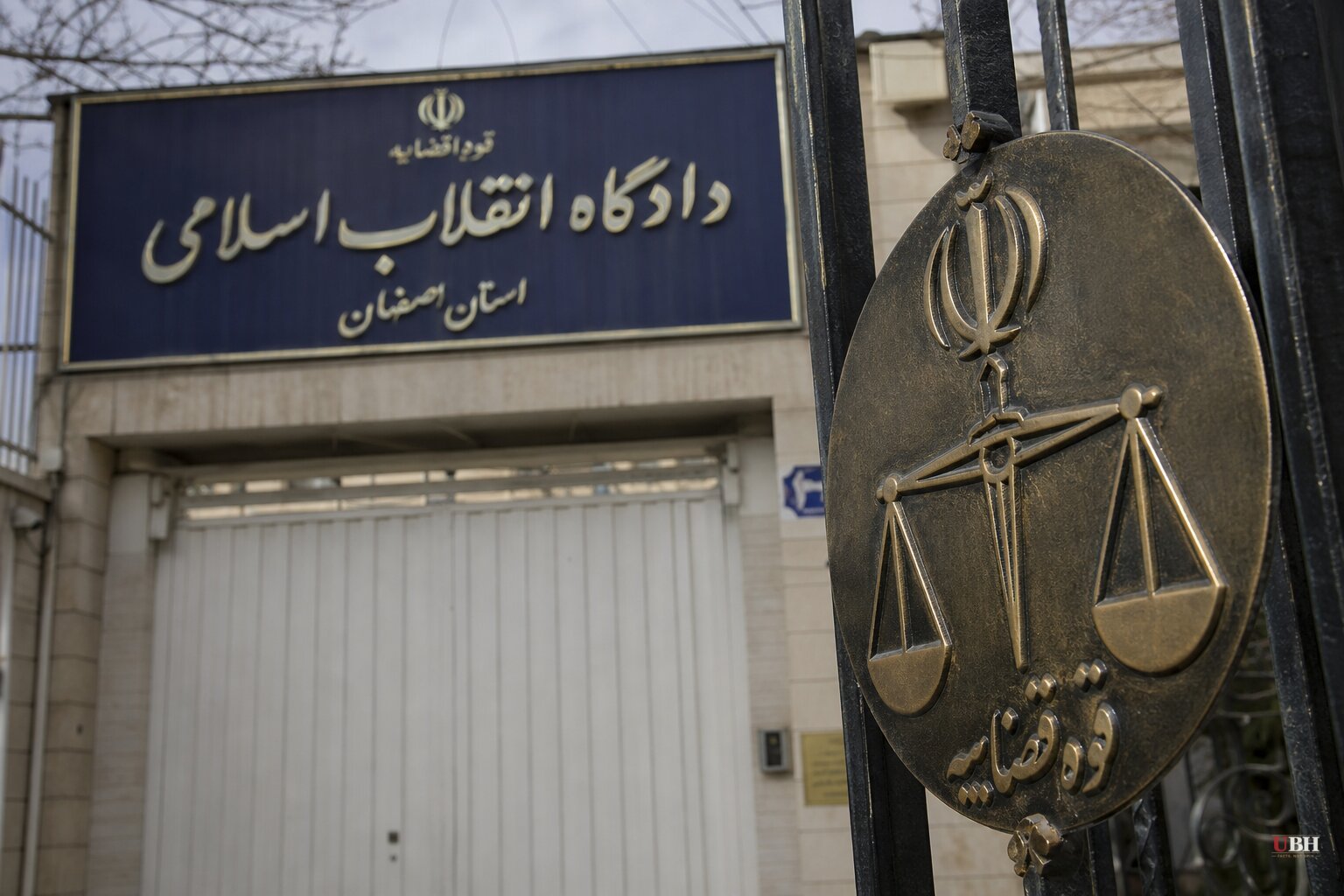
Since Norway-based Iran Human Rights (IHR) reported on August 27 that Iran has executed at least 511 people in 2026, Isfahan's revolutionary courts have kept adding to the death-row rolls. An Islamic Revolutionary Court in Isfahan has sentenced 10 more protesters to death and six others to prison terms of up to 25 years, according to an activist-run Telegram channel that tracks the crackdown tied to January's nationwide unrest.
The new sentences land amid what the Center for Human Rights in Iran (CHRI) describes as a shift in tactics. In a report published August 12, CHRI documented dozens of protesters being tried collectively in "group prosecutions" rather than as individuals, a practice the group says strips defendants of meaningful legal defense.
"We have not seen group prosecutions of protesters on anything approaching this scale in Iran in many decades," Esfandiar Aban, CHRI's director of research, said. "The Islamic Republic is reviving an extraordinarily repressive judicial practice and applying it systematically to the people who participated in the January protests."
Aban said the strategy serves a deterrent purpose. "The purpose is clear: to transform the judicial system into an instrument for punishing an entire movement and to make the next generation of protesters understand the price of dissent," he said. CHRI documented at least four defendants already executed under the group-prosecution model, including two executed in public, with a case out of Pakdasht sweeping 12 defendants into a single collective death sentence.
A woman charged with 'waging war against God'
Individual cases are surfacing alongside the group prosecutions. Iran International reported that Branch 5 of Isfahan's Revolutionary Court sentenced Leila Abolhassani, a 43-year-old mother of two and nail technician, to death on charges of "waging war against God" for allegedly participating in setting fire to a supermarket. A source familiar with her case told the outlet she was only filming the fire when she was arrested on the evening of January 8. She has been held at Dowlatabad Prison in Isfahan for more than seven months, and her case is now pending before Iran's Supreme Court on appeal.
Two other men, Amir Mohammad Mojallal Choubari, 22, and Hossein Nazari, 25, were sentenced to death in separate cases, according to the U.S.-based rights group HRANA. Iran executed Majid Adineh, another January protest detainee arrested near Karaj, after the Supreme Court upheld his sentence over accusations he took "operational action" for Israel and the United States. On August 20, Iran's judiciary news agency Mizan reported the execution of Afghan national Qaem Hosseini, accused in the killing of four police officers in Isfahan's Alikhani Square during the January protests. Mizan said Hosseini had confessed to carrying a weapon and taking part in the unrest. No independent account from his family or lawyer has been published, and there is no independent confirmation of whether he was actually participating in the protest or simply present at the scene.
Iran's judiciary maintains these are ordinary criminal prosecutions for arson and violence against police, not political punishment. Mizan stated Hosseini's hearings included a lawyer and evidence such as police intelligence reports and a scene reconstruction. Rights groups counter that confessions in these cases have repeatedly been extracted through torture and that courts refuse to examine exculpatory evidence. Neither claim has been independently verified by outside courts, and the dispute over what actually happened in cases like Hosseini's remains unresolved.
The execution count discrepancy
IHR put the 2026 execution count at 511 as of August 27, including at least 29 tied to the January protests and 16 women. The U.S.-based Abdorrahman Boroumand Center, using its own tracking, put the number at 950 executions since the start of 2026, including 20 women and 30 protesters, with 45 in August alone. Both groups rely on different documentation methods and neither is an Iranian government figure. Iran's government does not publish a comprehensive execution count, which is itself the reason two credible rights organizations land on very different totals for the same year.
President Trump weighed in on Truth Social this week, writing that "the failing Islamic Republic of Iran is not paying large segments of their military, while at the same time killing protesters, even when they are not protesting, at levels not seen before," and calling it "a humanitarian crisis of epic proportions." IHR director Mahmood Amiry-Moghaddam told AFP that wartime attention on the Strait of Hormuz has given Tehran "greater space to carry out executions," but welcomed Trump's statement, saying "greater attention raises the political cost for the Islamic republic." More than 30 nations, including France, Britain and Canada, issued a joint condemnation this month accusing Iran of executing protesters to "silence dissent."
UN Human Rights Chief Volker Türk called the lack of fair-trial guarantees "deeply troubling," citing cases where executions followed arrest within weeks. IHR says more than 70 people in Isfahan alone are now sentenced to death or facing capital charges. Abolhassani's case sits with Iran's Supreme Court. If the justices uphold her sentence, she faces execution, and no timeline for that ruling has been made public.
Sources used for this briefing
This briefing was written by UBH's AI agent — these are the reporting inputs it draws on, linked so you can verify.


