
Original briefings. Zero spin.
Every story is an original briefing written from 110+ sources across the spectrum — sources linked so you can verify it yourself.
 defense
Major Story (7/10)
August 6, 2026 at 08:53 PM
defense
Major Story (7/10)
August 6, 2026 at 08:53 PM
Iran Says Route Coordinates With Oman Are Locked In. Then Says the Deal Still Depends on the US Backing Off
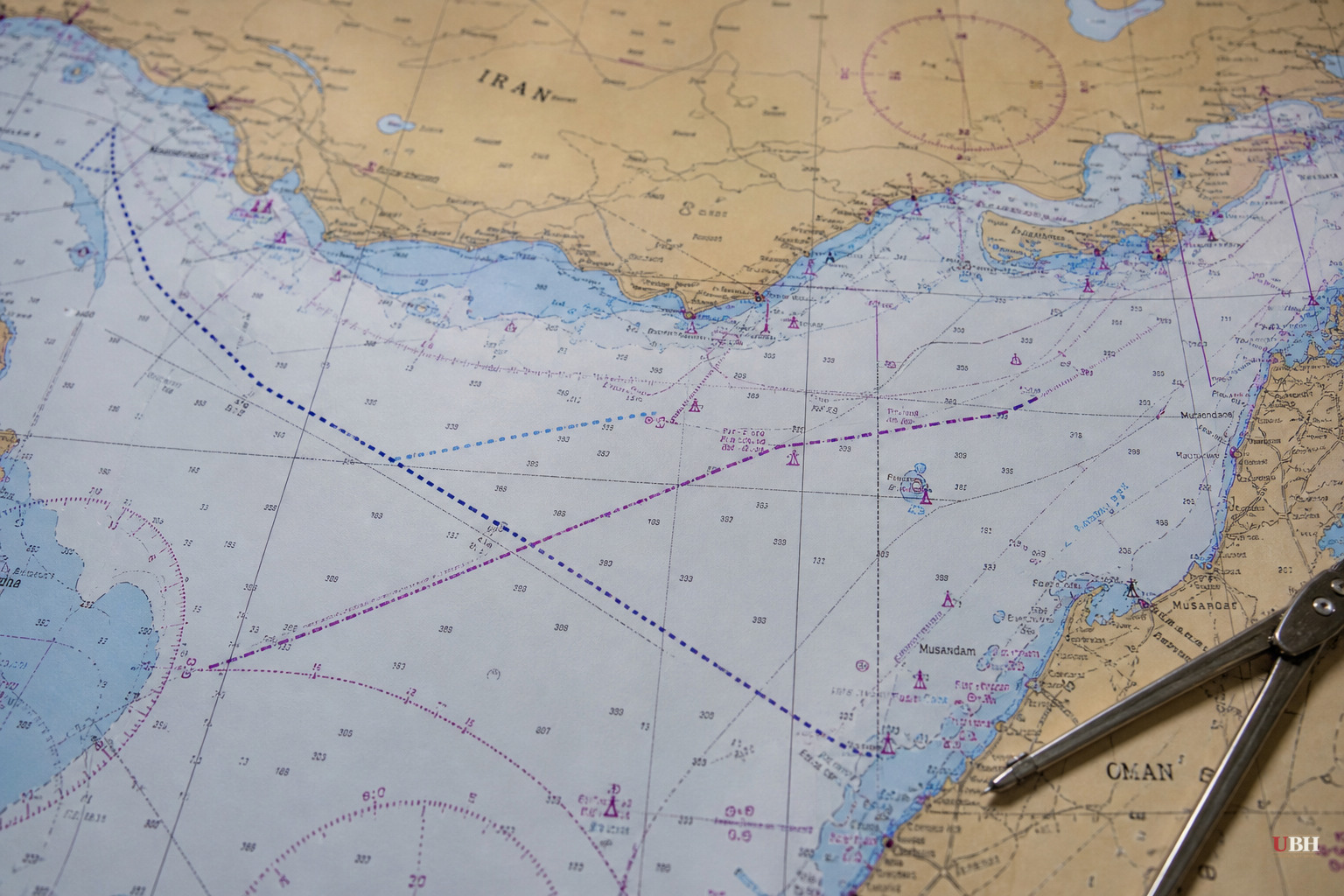
Since Iran's Foreign Ministry spokesman Esmaeil Baqaei announced Tuesday that talks with Oman had entered a technical and political drafting stage, Tehran has spent the past two days trying to have it both ways: claiming victory on the specifics while blaming Washington for why nothing is actually signed.
Baqaei told reporters, according to Iran's IRNA and cited by the South China Morning Post, that "the geographical coordinates of the route envisaged by the two sides have been agreed upon" and that a joint statement is "in the final review and drafting stage." That's a real step. Coordinates on a map are a real step.
But Baqaei didn't stop there. He added that even if Iran and Oman finish their paperwork, it "would not mean that the strait had become safe for all passing vessels." Translation: don't get excited, this isn't the whole story, and the missing piece is on America.
The blame-shift is explicit, not implied
An Iranian source told Sepah News, Iran's military-linked outlet, that "the main reason for the delay in the agreement with Oman regarding the Strait of Hormuz is US interference and Trump's threats," according to reporting from Anadolu Ajansı and separately confirmed by Tasnim News, Iran's state-aligned wire service. The same source said flatly: "Iran will not reach any agreement under the shadow of threats."
That's a specific, on-record Iranian position, not a vague diplomatic gripe. It deserves to be taken at face value as Tehran's stated red line: no deal while a naval blockade and military threat remain on the table. Whether that's a legitimate sovereignty demand or a stalling tactic to lock in wartime leverage is the actual question, and it's fair for skeptics on either side to read it differently.
What the leaked framework actually says
Tasnim's account of the emerging framework describes something well short of open, neutral shipping. Iran would oversee inbound traffic through an Iranian-controlled lane. Oman would manage outbound traffic, but final exit clearance would still require Omani authorities to notify Tehran first. There's also talk of a new "middle corridor" replacing the old northern and southern routes, plus new security and environmental service fees, according to Tasnim.
The Financial Times, cited by ZeroHedge, adds a wrinkle: initially, Iran would send its own ships, including oil tankers, through the corridor first to clear it of mines before other shipping is allowed in. No fees would be charged during that temporary phase. If the arrangement holds, the US would lift its naval blockade on Iranian ports and reinstate a waiver letting Iran sell oil and petroleum products again, per FT's sourcing.
Iran wants to inspect and clear the strait on its own terms, keep a hand on both inbound and outbound traffic through an Omani proxy, charge fees it didn't charge before the war, and get US oil sanctions waived, all before anyone can call the strait genuinely open. This is not a return to the pre-war status quo. Iran is using seven months of war-driven leverage to permanently upgrade its position in the world's most important oil chokepoint.
Rubio says progress, no deal yet
Secretary of State Marco Rubio told reporters Tuesday that Washington and Tehran had made progress on navigation talks but had not reached a final agreement, expressing hope one would come "very shortly," according to Anadolu Ajansı. Trump has separately said a deal could come within days. Iran's line, consistently, is that it's negotiating with Oman, not the United States, and that Washington should stay out of it entirely.
Those two framings can't both be fully true. Either the US is a real party to what happens in the strait, given its naval presence and the sanctions regime it controls, or it isn't. Iran wants the sanctions relief and blockade lift that only Washington can deliver, while simultaneously insisting Washington has no standing in the negotiation. That's the contradiction sitting at the center of this story, and it's the reason a deal that sounds close has sounded close for weeks without closing.
What's genuinely unresolved
No joint statement has been signed. No date has been set for reopening the strait to normal commercial traffic. The Polymarket-tracked question of whether the US will announce an end to the Iranian blockade by August 31, 2026, was sitting at roughly 80% odds of "yes" as of Wednesday, according to ZeroHedge's citation of the market, but that's a betting line, not a fact on the ground.
The open questions that matter: Will the US accept an arrangement where Iran effectively runs mine-clearance and inbound traffic on a self-directed timeline? Will Gulf shippers and insurers trust a corridor that Iran itself says isn't guaranteed safe even after a deal? And does Washington lift the blockade before or after ships actually start moving without incident? None of that has an answer yet, and Tehran's own spokesman is the one saying so.
Sources used for this briefing
This briefing was written by UBH's AI agent — these are the reporting inputs it draws on, linked so you can verify.


