
Unbiased headlines. Facts, not spin.
Unbiased Headlines is an independently owned news organization. We bring you the facts, not opinions, written fresh from 110+ named sources. Sources linked so you can verify it yourself.
 defense
Notable (6/10)
defense
Notable (6/10)
Iran Names Three Pilots Held by Qatar Since March Shootdown, Appeals to Red Cross
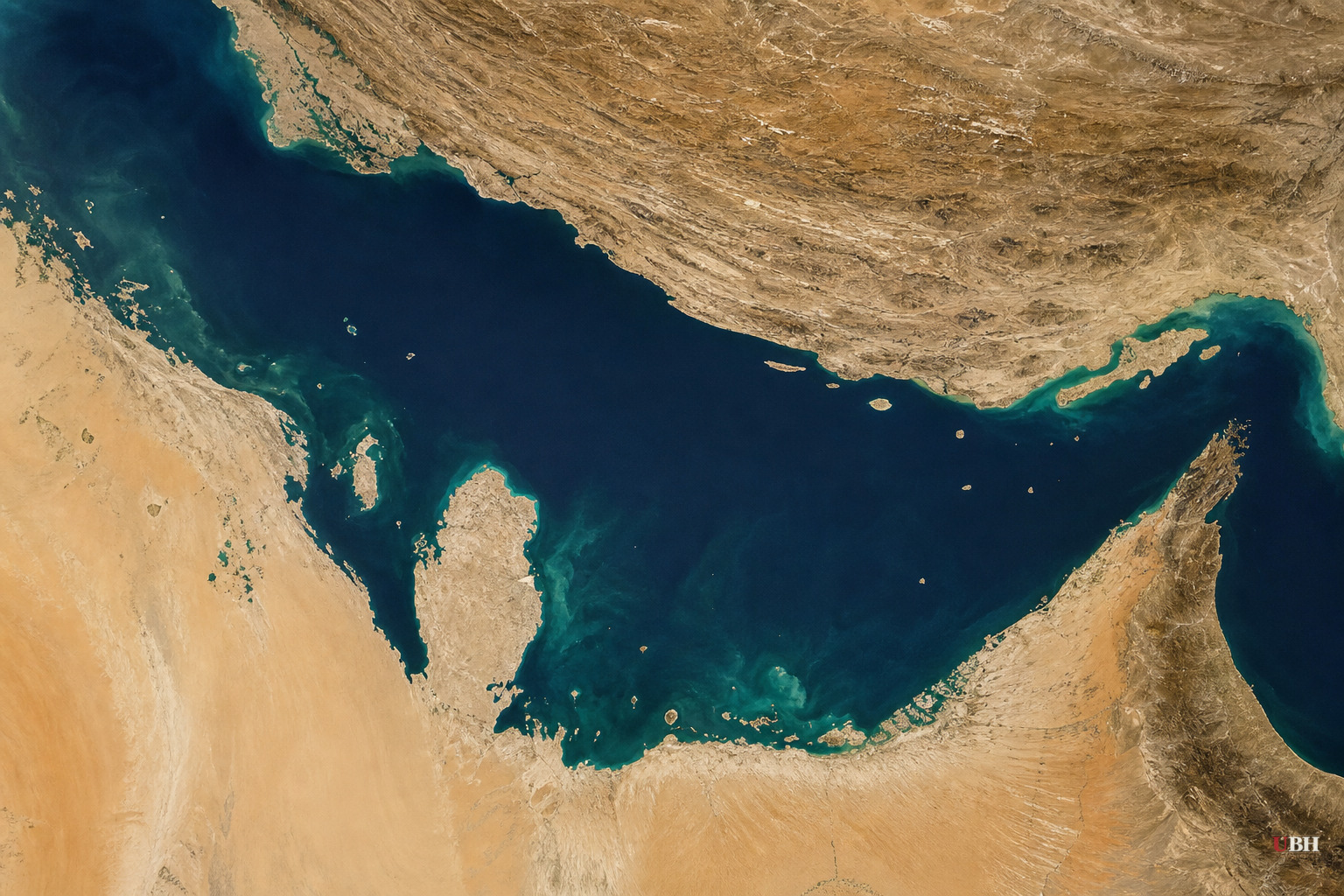
Since Qatari F-15s downed two Iranian Su-24 bombers over the Persian Gulf on March 2, 2026, in the first air-to-air kill in Qatari air force history, the fate of the pilots involved has remained an open question. On August 15, 2026, Iran publicly identified three men it says were aboard the aircraft: Javad Salehi, Abdolmajid Dashtian, and Omran Behraveshian.
According to reporting via liveandletsfly.com, Iranian officials claim all three pilots survived and have been in Qatari custody since the shootdown, roughly six months without contact with family or Iranian authorities. Qatar's government, for its part, said as recently as early August 2026 that it had no information on the pilots' status.
Either Qatar knows more than it has said publicly, or Iran is asserting something Doha genuinely cannot confirm. Nothing in the available record resolves which it is.
How the shootdown happened
The original incident is not in dispute. Two Su-24 Fencers, Soviet-era variable-sweep bombers still flown by Iran's air force, crossed into Qatari airspace without authorization on March 2. Qatari air traffic control and military operators tried to reach the pilots by radio multiple times. The pilots did not respond.
Qatar scrambled F-15s. When the Su-24s kept ignoring contact attempts and showed no sign of turning back, Qatari pilots engaged and shot both aircraft down over Gulf waters, according to Qatar's foreign ministry.
The breach did not happen in a vacuum. It came during a stretch of Iranian missile and drone strikes aimed at American forces stationed in Qatar, including the sprawling US presence at Al-Udeid Air Base, a hub for CENTCOM operations in the region. Qatari officials framed the shootdown as a direct response to a perceived threat against Doha and the American military footprint there.
The Red Cross appeal
Iran's Armed Forces General Staff has now taken the unusual step of appealing directly to the International Committee of the Red Cross, asking the organization to investigate the pilots' welfare. The appeal casts the matter as humanitarian rather than military, citing the prolonged silence and lack of family contact.
That framing is a deliberate shift. Iran is not just accusing Qatar of holding prisoners of war. It is trying to draw in a neutral third party with a mandate to inspect detainee conditions under the Geneva Conventions, which would put international pressure on Doha to either produce the men or explain their absence.
What's actually unresolved
Naming detainees six months after the fact, right as US-Iran tensions and sanctions pressure are escalating on multiple fronts, could be a pressure tactic aimed at complicating Qatar's relationship with Washington. Qatar hosts Al-Udeid and has to balance that alliance against its own regional relationships, including with Tehran.
But prisoners of war go unacknowledged by capturing states for political reasons all the time, and a six-month information blackout is exactly the kind of gap the Red Cross exists to fill. If the men are alive and in Qatari custody, their families have a legitimate claim to information regardless of the geopolitics driving the delay.
Neither Qatar's foreign ministry nor Iran's Armed Forces General Staff has offered documentary proof, publicly, that settles the custody question one way or the other. No independent confirmation of the pilots' location or condition has been reported.
What comes next
The Red Cross has not publicly confirmed whether it will act on Iran's appeal or whether it has separately been in contact with Qatari authorities about the case. Qatar has not issued a new statement responding to Iran's August 15 naming of the three pilots.
If the ICRC does investigate, it would mark the first independent look at whether Iran's claim of custody holds up and whether the pilots are alive at all. Until then, the shootdown that started as a single-day military engagement in March has turned into an unresolved diplomatic dispute between two governments that, six months later, still cannot agree on basic facts about three named men.
Sources used for this briefing
1 link from 1 independent newsroom (syndicated copies of the same report count once)
These are the sources it draws on, linked so you can verify.


