
Unbiased headlines. Facts, not spin.
Unbiased Headlines is an independently owned news organization. We bring you the facts, not opinions, written fresh from 110+ named sources. Sources linked so you can verify it yourself.
 economy
Major Story (8/10)
Event date: October 9, 2026 ·
economy
Major Story (8/10)
Event date: October 9, 2026 ·
Iran Loaded Zero Crude in September as US Blockade and Sanctions Tighten, but Tehran Has Not Budged on Nuclear Talks
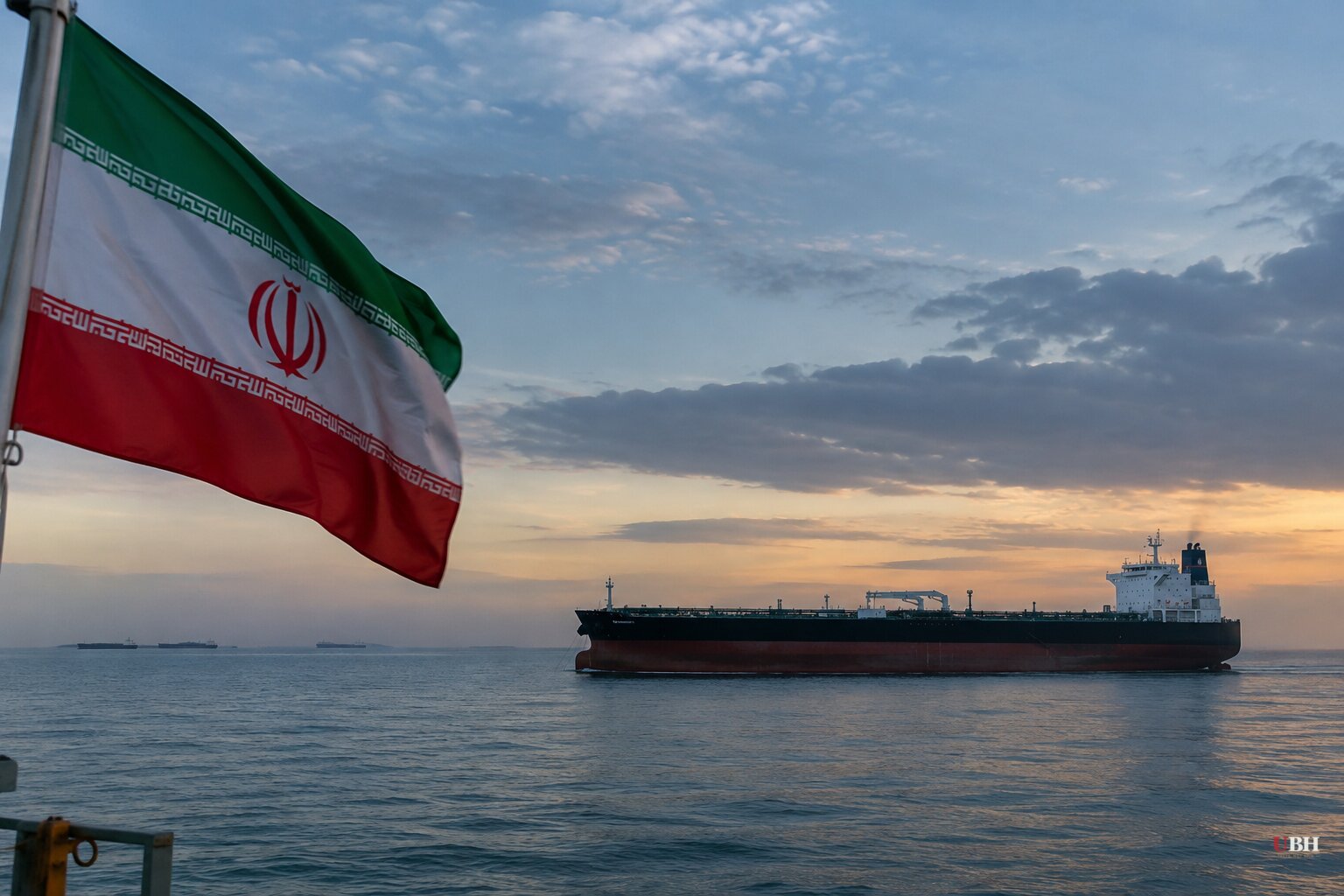
The economic squeeze on Iran is producing hard numbers. It has not produced a deal.
Iran loaded no crude onto tankers in September, according to the tracking firm Kpler. That is the first month with zero loadings since Kpler began monitoring Iranian exports in 2013. The last successful loading was Aug. 25.
The numbers inside Iran
Kpler says oil outside the U.S. blockade zone has fallen to about 10 million barrels, down from 100 million in July. If Iran keeps finding buyers at its current rate, Kpler estimates it could run out of crude to sell by the end of October.
At home, the problem is the opposite. With nowhere to ship newly pumped oil, onshore stockpiles have reached about 70 million barrels, near the pandemic peak, said Matt Smith, Kpler's director of commodity research. Production has dropped to roughly 2 million barrels a day, half the prewar level and just enough for domestic demand.
Iranian government data show the economy shrinking at a 10% annual rate between March and June. Inflation hit 90% last month and has averaged 73% over the past year.
Adnan Mazarei, a senior fellow at the Peterson Institute for International Economics, said Iranians now spend cash on necessities the moment they get it, because it loses value if they hold it. The government prints money to cover its bills, which feeds the inflation.
What Treasury is doing
The campaign, called Operation Economic Outcast, was formally announced Aug. 24. Bessent has described it as an "economic D-Day" meant to "collapse every last option for Iran" through oil-transfer monitoring, digital-asset tracking, gold tracking and secondary sanctions on countries that keep trading with Tehran.
Treasury's latest round names 17 ships it says carry Iranian crude to buyers in South and East Asia, including China. The vessels are registered in more than a dozen jurisdictions. Treasury says the network is fluid, with ships constantly entering and leaving.
"Treasury is starving the tyrannical regime in Tehran of the money it uses to wage war in the region," Bessent said in a statement. "No enabler of Iranian sanctions evasion is safe from the full force of Treasury's authorities."
The sanctions sit on top of a military blockade. In early September, U.S. forces destroyed five shadow fleet tankers after Iran twice fired ballistic missiles at an American warship, according to the administration.
Bessent's deadlines
The administration promised speed. Bessent said last month that all Iranian airlines would be grounded worldwide by the end of September, and that Iran would run out of oil to sell by the end of this week, according to The Washington Post. Neither promise has been shown to have been met on schedule. Kerri Bitsoff, a former senior OFAC official, pointed to restrictions imposed by the United Arab Emirates, measures against Iranian airlines and Turkish action against banks tied to Iranian transactions, but none of those amounts to a worldwide grounding.
The Washington Post reports the administration is now preparing for a longer fight.
Pressure without a concession
Tehran is not giving ground. CNN reports Iran will make no concessions on its nuclear program and that talks on freedom of transit through the Strait of Hormuz have repeatedly stalled. Five decades of living under sanctions, a crackdown on protests and the political cost of America's war effort leave the regime in a better position than it appears, CNN's analysis argues.
At an Iran International town hall in Washington, Patrick Clawson of the Washington Institute said Iran faces falling oil revenue and war damage to energy infrastructure heading into winter. Iran gets about 69% of its energy from natural gas, he said, so damage to that system could push it toward heavily polluting mazut for power generation. Iran International economist Mohammad Machine-Chian estimated $21 billion to $23 billion in export proceeds has not returned to Iran, and that the blockade could cost another $35 billion in oil revenue.
Bitsoff said the current effort differs from earlier rounds because it targets enforcement and the financial intermediaries sustaining Iran. "If they're on the books but not enforced, they only hurt the people," she said of sanctions. Machine-Chian said past sanctions enriched "sanctions merchants" tied to the Revolutionary Guards. The panelists said the pressure threatens the regime's political survival but may still fall short of forcing concessions.
The Washington critique
The Center for American Progress, a left-leaning think tank, argues the administration is undercutting itself. Its analysis says the rollback of financial regulatory barriers weakens the tools needed to stop Iran from moving money through the U.S. financial system. "One side of the Trump administration's government is choking off Iran's oil revenue while the other side is opening the door to Iran's financial access," it writes.
The group also says the blockade alone is unlikely to extract major concessions, and that Iranians will bear the burden of the campaign. It calls the naval blockade effective at restricting Iran's imports and exports. The administration has not responded to that argument in the material reviewed. Bessent's position is that the tools are working, and that countries and banks doing business with Tehran will face consequences.
The regional picture
The war reaches well beyond Iran's oil exports. The International Energy Agency said Thursday that members are accelerating releases of emergency reserves as markets stay tight during the Strait of Hormuz crisis. About 330 million barrels have been released, with roughly 100 million to come, and the total could exceed the 400 million originally planned.
France's Foreign Ministry said it is putting into action elements of an agreement to help protect Saudi oil facilities from Iran-backed Houthi attacks. President Emmanuel Macron said last month France would send troops and defense systems to protect the Red Sea port of Yanbu.
The next marker is Kpler's end-of-October estimate for Iran's remaining sellable crude. Whether an empty tank turns into a concession on enrichment or Hormuz remains unclear, and Iran has not signaled that it will.
Sources used for this briefing
6 links from 6 independent newsrooms (syndicated copies of the same report count once)
These are the sources it draws on, linked so you can verify.


