
Unbiased headlines. Facts, not spin.
Unbiased Headlines is an independently owned news organization. We bring you the facts, not opinions, written fresh from 110+ named sources. Sources linked so you can verify it yourself.
 economy
Major Story (7/10)
Event date: September 16, 2026 ·
economy
Major Story (7/10)
Event date: September 16, 2026 ·
Retail Sales Rise 0.8% in September, With Gas Stations Supplying Most of the Gain
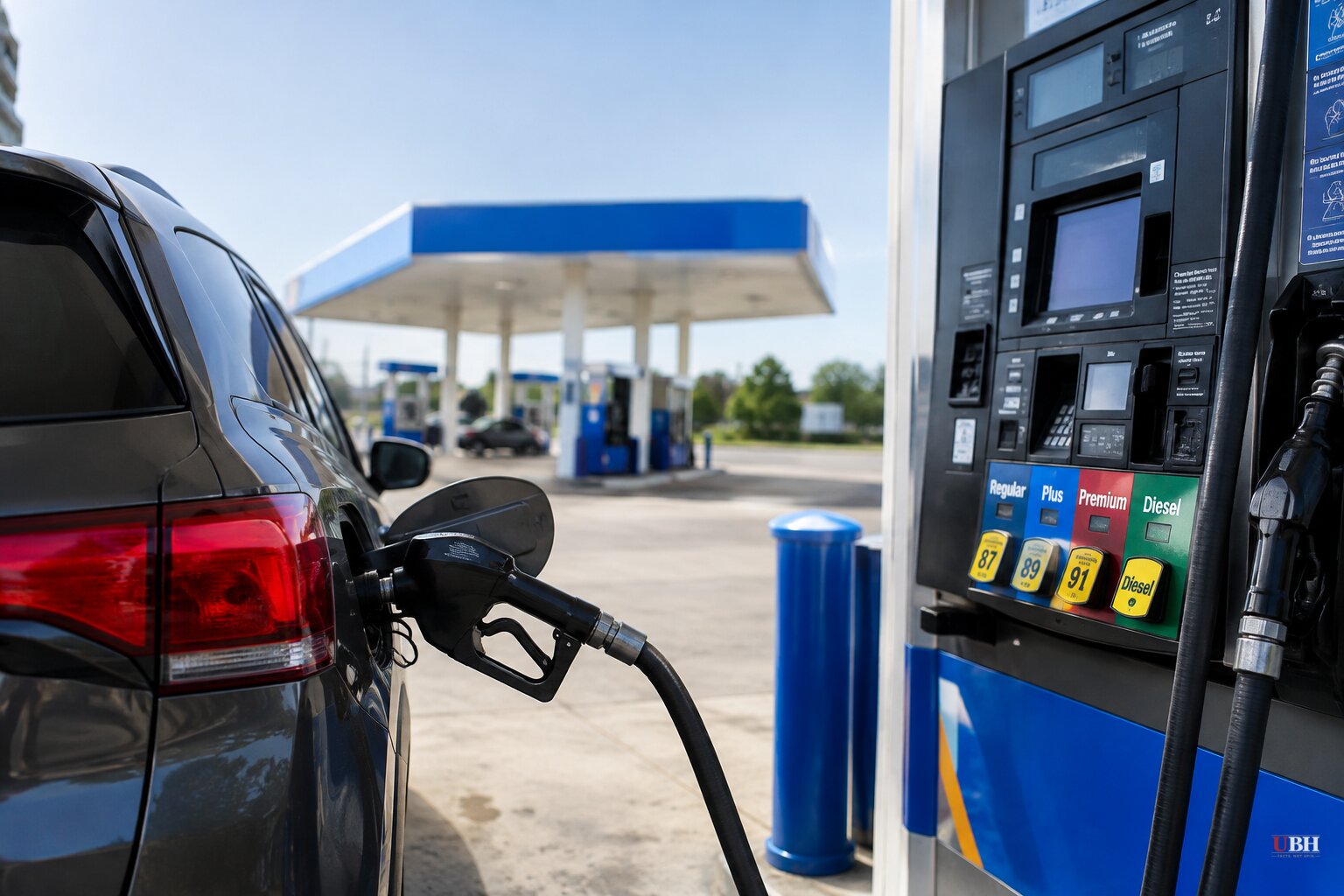
Americans spent more in September. A big share of it went to the gas pump.
The Commerce Department said Thursday, Oct. 15, that retail sales rose 0.8% last month after a revised 1.3% gain in August. Economists surveyed by FactSet had expected 0.3%.
On its face, a beat like that sounds like a strong consumer. The details are less impressive.
Gas did the heavy lifting
Sales at gas stations rose 6.4%, the biggest monthly jump since March, and are up about 28% from a year ago. Gasoline stations alone added roughly 0.55 percentage points of the 0.77% headline gain, according to Bloomberg's breakdown of the data. Everything else combined added about 0.22 points.
Strip out gas and sales rose 0.2%. Strip out autos and gas and the figure was also 0.2%, in line with forecasts.
The control group, the narrower measure that feeds into GDP's goods-spending component, rose only 0.1% against a 0.3% estimate. It was the weakest reading since July.
The AAA put the average gallon of regular near $4.50 in September. It was $4.33 on Thursday, versus $3.07 a year ago. Before the war in the Middle East began, gas was under $3.
"The large jump in headline retail sales in September was almost entirely due to rising gasoline prices," Michael Pearce, chief U.S. economist at Oxford Economics, wrote in a note. Eliza Winger of Bloomberg Economics said the bulk of the increase came from higher gasoline prices, "meaning consumer demand strength was overstated."
Prices, not volume
The report is not adjusted for inflation. A higher dollar total can mean more stuff, or it can mean the same stuff costs more.
Inflation is running hot. The Labor Department said Wednesday that consumer prices rose 3.7% in September from a year earlier, up from 3.4% in August. Monthly prices climbed 0.6%, the largest increase in five months.
Thursday brought more. The Labor Department's producer price index jumped 1.3% in September, the biggest monthly increase since March 2022, and is up 6.3% over the year. Core PPI, which excludes food and energy, rose 0.7%, more than double the 0.3% economists expected.
More than 80% of the rise in producer goods prices came from energy, according to the department's data. Even excluding food and energy, goods prices rose 0.3% on the month and are up 5.1% from a year ago.
The jobs picture adds to the unease. U.S. employers added just 29,000 jobs in September and the unemployment rate ticked up, the government reported earlier this month.
The resilience argument
Not everyone reads the report as a warning. Matthew Shay, president and CEO of the National Retail Federation, said in a statement that "retail sales rose again last month as consumers continued to spend following a solid back-to-school shopping season." He said retailers are leaning on promotions and value pricing for budget-conscious households.
The CNBC/NRF Retail Monitor, a private measure that excludes autos and gas, showed sales up 0.3% on the month and 4% on the year.
Bank of America said its internal data showed card spending per household up more than 6% from a year ago, and about 5% excluding gas. "One striking thing about recent card spending, in our view, is that it is well balanced across categories," the bank's strategists wrote.
There were pockets of strength in the government data too. Furniture stores rose 1.3%, electronics and appliance stores 0.6%, and restaurants, the one major services category in the report, rose 1.1%. Eight of 13 retail categories gained. Hobby and building-materials spending fell.
What comes next
Pearce said consumer spending is still on track for a 3.3% annualized gain in the third quarter. He expects it to lose momentum heading into the holiday shopping season as higher prices weigh more heavily on households.
The retail report also covers only part of the picture. It is mostly goods and leaves out travel and hotel stays.
Inflation-adjusted personal spending and overall services spending are due later this month. Those numbers will show whether September's gain reflects more purchases or higher prices.
The Federal Reserve has more to weigh, too. The Wall Street Journal's Nick Timiraos estimated, after the CPI and PPI releases, that the Fed's preferred PCE inflation gauge rose about 0.51% in September, up from 0.31% in August. The official figure arrives after the Fed's next meeting.
Sources used for this briefing
7 links from 6 independent newsrooms (syndicated copies of the same report count once)
These are the sources it draws on, linked so you can verify.


