
Unbiased headlines. Facts, not spin.
Unbiased Headlines is an independently owned news organization. We bring you the facts, not opinions, written fresh from 110+ named sources. Sources linked so you can verify it yourself.
 economy
Major Story (7/10)
Event date: October 11, 2026 ·
economy
Major Story (7/10)
Event date: October 11, 2026 ·
Factory Jobs Still Below January 2025 Level as Tariff Backlash Hits Republicans Before Nov. 3
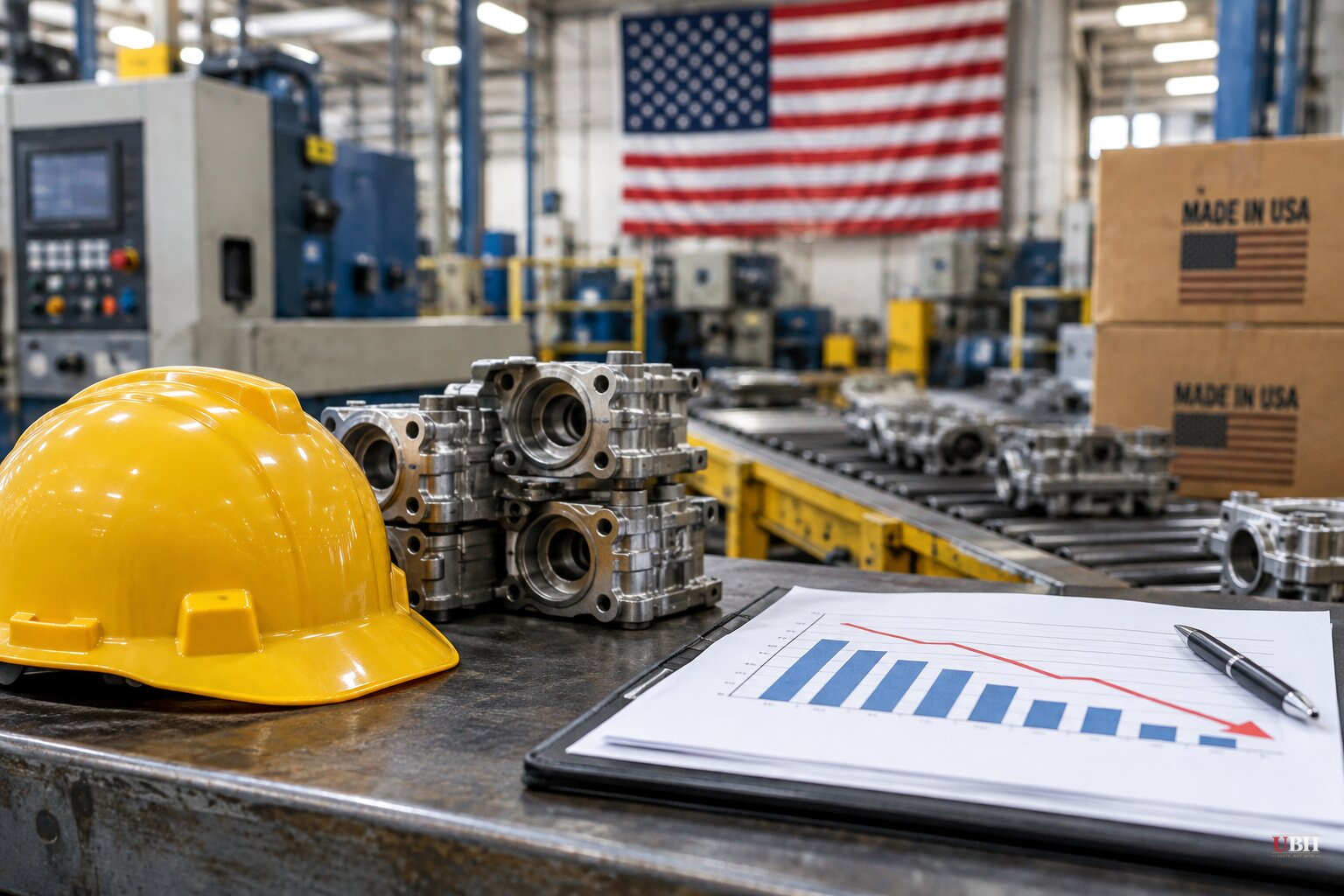
Since Trump rolled out his broadest tariffs on what he called "Liberation Day" last year, the factory comeback he promised has not shown up in the headcount, and that is now a midterm problem for Republicans.
The country has added manufacturing jobs so far this year. But the sector still has fewer employees than when Trump returned to the White House in January 2025.
That is the gap between the pitch and the payroll data. Trump argued that taxing imports would spur a factory renaissance. It has not come to pass yet.
A clockmaker in Zeeland
Nelson Vandermeer, 62, voted Republican for decades. He balked at backing Trump because he feared the tariff plan would hurt workers more than help them.
Last year he lost his job as a product designer at Howard Miller, a clockmaker in Zeeland, Michigan. After a century in business, the company closed its factory, sold off its inventory and brand name, and laid off nearly 200 workers.
"So much for bringing jobs back," Vandermeer said. "I could still have a job, but now I don't because of tariffs."
He plans to vote a straight Democratic ticket on Nov. 3.
The tariff explanation is Vandermeer's, and it is not the whole picture. Howard Miller was struggling before the tariffs, as Americans lost interest in fancy timepieces like its signature grandfather and mantel clocks.
The company had broadened into bar carts, cabinets and consoles years ago. Those products still relied on glass and other parts from overseas, and the diversification did not save it.
What the White House says
White House spokeswoman Taylor Rogers rejects the premise that the factory push is failing. She says a boom is underway, pointing to higher manufacturing output and more work in certain nonresidential construction trades.
"Factory construction jobs of today mean more manufacturing jobs down the road once those factories come online," Rogers said.
That is a forward-looking claim. The jobs she describes do not exist yet, and voters are choosing before they do.
Huizenga's tariff record
Vandermeer lives in Michigan's 4th Congressional District. Republican Rep. Bill Huizenga is seeking a ninth term there.
Before the Liberation Day tariffs took effect, Huizenga backed them. "Is it going to be easy? Not necessarily. Is it the right thing to do? Absolutely it is," he told reporters at the time.
His position has softened in tone. A spokesperson said last week that Huizenga "sees a potential role for tariffs" in boosting domestic manufacturing "while recognizing the need to address their broader economic effects."
His Democratic opponent, state Sen. Sean McCann, is hitting him on the vote record. McCann has criticized Huizenga for opposing legislation that would rein in tariffs Trump imposed unilaterally.
Not just Michigan
Similar fights are playing out in competitive races in Kansas, Iowa and Ohio. In those states, Republican acquiescence on tariffs could cost the party as constituents face factory layoffs, farm foreclosures and higher prices.
Tariffs are only one of the pressures on Republicans. An unpopular war with Iran and persistent inflation are weighing on the party too.
The tariff argument has a legitimate conservative case behind it: that American manufacturers have been undercut for decades and that some pain is the price of rebuilding capacity. Huizenga's spokesperson reflects that view. But Trump set the standard himself when he promised jobs would come back, and an import tax is a hard sell to a worker who just lost his.
The test comes on Nov. 3. Whether voters like Vandermeer, in a district where Huizenga is seeking a ninth term, punish incumbents who backed the tariffs, or give the factory pipeline Rogers describes more time, will be settled at the ballot box.
Sources used for this briefing
5 links from 5 independent newsrooms (syndicated copies of the same report count once)
These are the sources it draws on, linked so you can verify.


