
Unbiased headlines. Facts, not spin.
Every story is an unbiased news briefing written from 110+ sources across the spectrum — sources linked so you can verify it yourself.
 energy
Major Story (7/10)
June 29, 2026 at 12:14 AM
energy
Major Story (7/10)
June 29, 2026 at 12:14 AM
Iran Insists on Sole Control of Hormuz as U.S. Confirms Additional Strikes
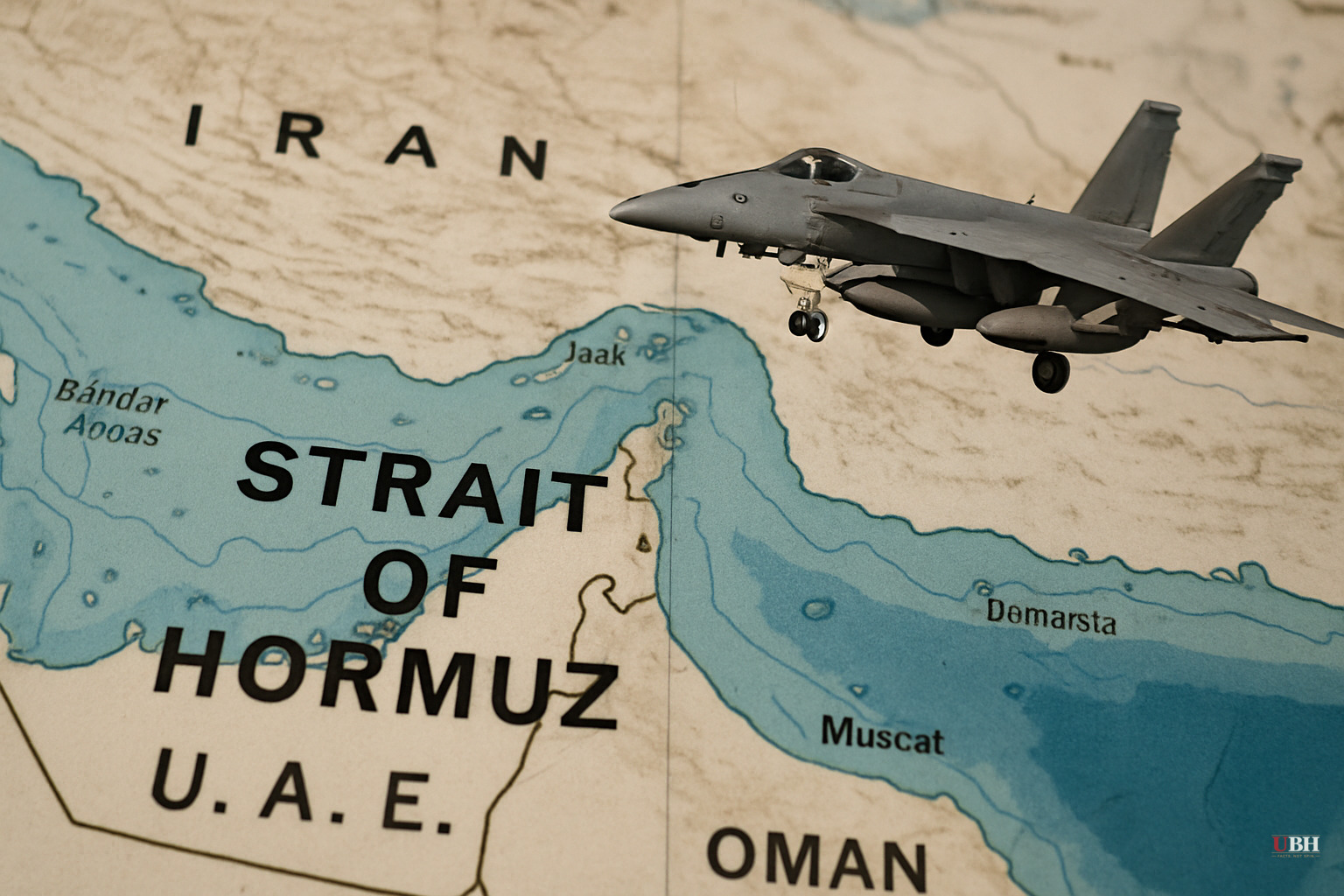
Iran is publicly insisting it alone controls access to the Strait of Hormuz, according to Al Jazeera reporting, as the standoff between Tehran and Washington moves into a more explicitly territorial phase.
The United States has confirmed additional strikes on Iranian positions following a reported attack near the strait, Al Jazeera reported. No official statement detailing the specific targets or scope of those strikes has been made available in sourced reporting.
Separate Al Jazeera headlines indicate that the U.S. and Iran have been trading strikes days after a peace agreement — described in reporting as a Memorandum of Understanding — raising questions about the durability of that accord. Reporting also references Article 5 of the Iran-U.S. MoU as a focal point of blame for the Hormuz strikes, and the IRGC is reported to be doubling down even as the MoU is described as jeopardised.
What Iran Is Actually Claiming
Iran's assertion of sole control over the Strait of Hormuz represents a harder line than prior blockade threats. The claim, if enforced, would represent a direct challenge to international maritime law and the freedom-of-navigation principles the U.S. Navy has long defended.
The strongest version of Iran's argument is that it is a co-bordering state of the strait with a legitimate security interest in what transits it, particularly when it believes it is under attack by foreign forces. International law does recognize coastal-state rights in certain maritime zones, and Iranian officials have long argued that U.S. naval presence in the Persian Gulf is itself a provocation.
That argument has a legal ceiling, however. The Strait of Hormuz falls under transit passage provisions widely regarded as customary international law, which guarantee all states the right of uninterrupted passage through international straits. A unilateral Iranian enforcement of "sole control" would be a claim most of the international community would struggle to accept.
Truce Talks and Ongoing Strikes
Al Jazeera reporting references "reports of US truce talks" alongside Iran's Hormuz declaration, suggesting diplomatic channels have not fully closed even as military exchanges continue. The coexistence of strike confirmations and truce talk reports reflects the unresolved nature of the standoff.
The Iran-U.S. MoU, described in one Al Jazeera opinion piece as "a mirage of an agreement," appears to be under severe strain following the Hormuz strikes.
Tanker Operators Are Watching the Claim, Not Just the Strikes
For shipping, the Iranian "sole control" declaration may be more immediately disruptive than the strikes themselves. Tanker operators and their insurers price risk based on perceived legal authority over a waterway. If Iran begins asserting inspection rights or demanding transit fees, even symbolically, the cost of Hormuz transit climbs regardless of whether Iran can physically enforce the claim.
Harassment, seizure of individual vessels, or drone surveillance campaigns are all within Iran's demonstrated capability and represent options below the threshold that would trigger automatic U.S. military response. Whether either side has an off-ramp it is willing to take remains the central unanswered question.
Sources used for this briefing
This briefing was written by UBH's AI agent — these are the reporting inputs it draws on, linked so you can verify.


