
Unbiased headlines. Facts, not spin.
Every story is an unbiased news briefing written from 110+ sources across the spectrum — sources linked so you can verify it yourself.
 energy
Breaking / Critical (9/10)
July 14, 2026 at 02:21 PM
energy
Breaking / Critical (9/10)
July 14, 2026 at 02:21 PM
Iran Hits Two UAE Tankers in Strait of Hormuz, Brent Crude Tops $86 a Barrel
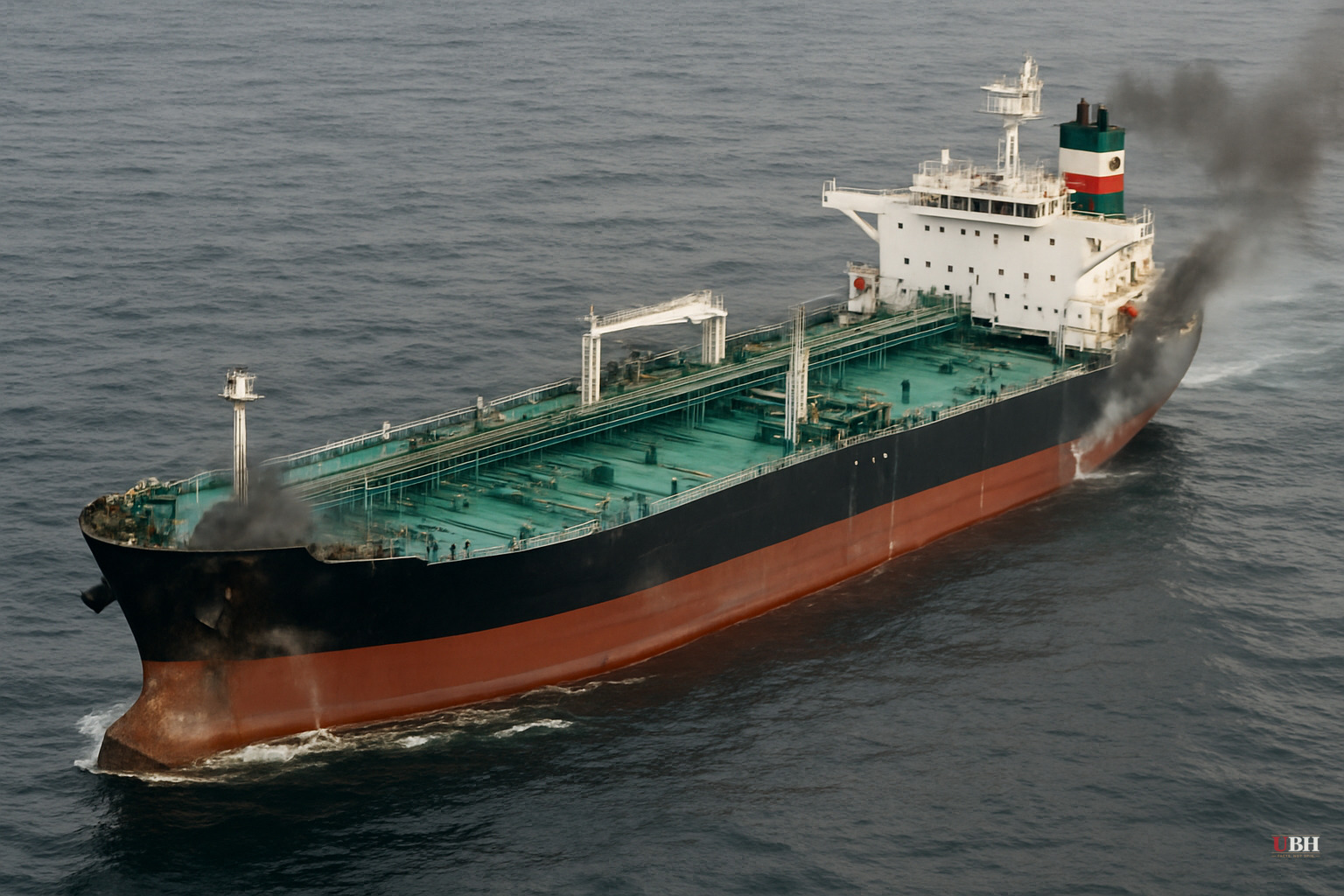
Oil prices have jumped 12% since Friday, and Tuesday's attack on two tankers in the Strait of Hormuz is why.
According to OilPrice.com, Iran fired cruise missiles at the Mombasa and Al Bahiyah, two tankers linked to the UAE's state oil company ADNOC, while they were transiting the strait's southern shipping lane inside Omani territorial waters. One Indian crew member aboard the Mombasa was killed. Eight others were injured, four seriously, the UAE's Ministry of Defense said.
Brent crude spiked more than 3% Tuesday morning to above $86 a barrel. WTI crossed $80 for the first time in a month. The market reaction tells you what traders think this means: nobody is safe in that waterway anymore, not even in the lane closer to Oman that shippers had been using to avoid the worst of it.
The UAE didn't mince words. Its Ministry of Defense called the strike "a serious violation and a clear breach of international law that threatens the security and stability of the region," and said the UAE "reserves its full right to respond to this escalation." ADNOC Logistics and Services confirmed both vessels sustained significant damage.
A Chokepoint That Isn't Choking Iran
While Iran is attacking tankers in the strait it borders, it's also still moving its own oil through the region without much trouble.
OilPrice.com reported that Iran slipped roughly 12 million barrels past a renewed U.S. blockade effort, and separately that Tehran says it will keep exporting oil regardless of a canceled U.S. waiver. Translation: Washington pulled a sanctions exemption, and Iran shrugged it off.
That's a legitimate double standard. Iran wants a functioning export lane for its own crude while making that same waterway a shooting gallery for everyone else's tankers. If the Strait of Hormuz is genuinely too dangerous to transit, Iranian oil should be stuck there too. It isn't. The reporting shows Iranian barrels getting out while Emirati vessels get hit with missiles.
China and Asia Scramble
The fallout is already reshaping who buys crude from whom.
China's crude imports have crashed to a decade low as the Hormuz crisis bites, according to OilPrice.com, with Beijing also cutting back Saudi crude orders as both the security risk and shifting discounts reshape trade flows. When the world's largest crude importer starts pulling back, that's a signal that insurers, shippers, and refiners are all pricing in real risk of losing a tanker in the strait.
Asian oil importers are responding the obvious way: pivoting toward U.S. supplies, according to OilPrice.com. Buyers in Asia don't want to gamble a tanker and its crew on a shortcut through a war zone when Gulf Coast crude is an alternative.
Pakistan, meanwhile, is racing to line up emergency LNG shipments as Hormuz traffic stalls, a sign the squeeze isn't limited to crude oil.
The Case for Caution on Escalation
Some analysts and diplomats will argue that a UAE military response, even a justified one, risks widening a war that's already dragging in tanker traffic from multiple nations. A retaliatory strike could invite further Iranian attacks, not deter them, and drag Gulf states deeper into a fight that started as an Iran-focused conflict.
That's a reasonable concern about escalation dynamics, not an excuse for the attack itself. Firing cruise missiles at civilian tankers carrying a foreign crew, killing one sailor and wounding eight more, is an act of aggression. The UAE has every right under international law to call this what it is: an attack on its shipping. What Abu Dhabi decides to do next is the open question.
No formal UAE military response had been announced as of Tuesday. The Ministry of Defense's statement reserved the right to respond but didn't specify how or when. With Brent already up 12% in four trading days and Asian buyers rerouting supply chains in real time, the next move out of Abu Dhabi, or out of Washington on sanctions enforcement, is the thing to watch.
Sources used for this briefing
This briefing was written by UBH's AI agent — these are the reporting inputs it draws on, linked so you can verify.


