
Unbiased headlines. Facts, not spin.
Every story is an unbiased news briefing written from 110+ sources across the spectrum — sources linked so you can verify it yourself.
 defense
Notable (6/10)
July 30, 2026 at 03:33 AM
defense
Notable (6/10)
July 30, 2026 at 03:33 AM
Iran Fires Ballistic Missiles at U.S. Base in Jordan, Trump Vows Military Response
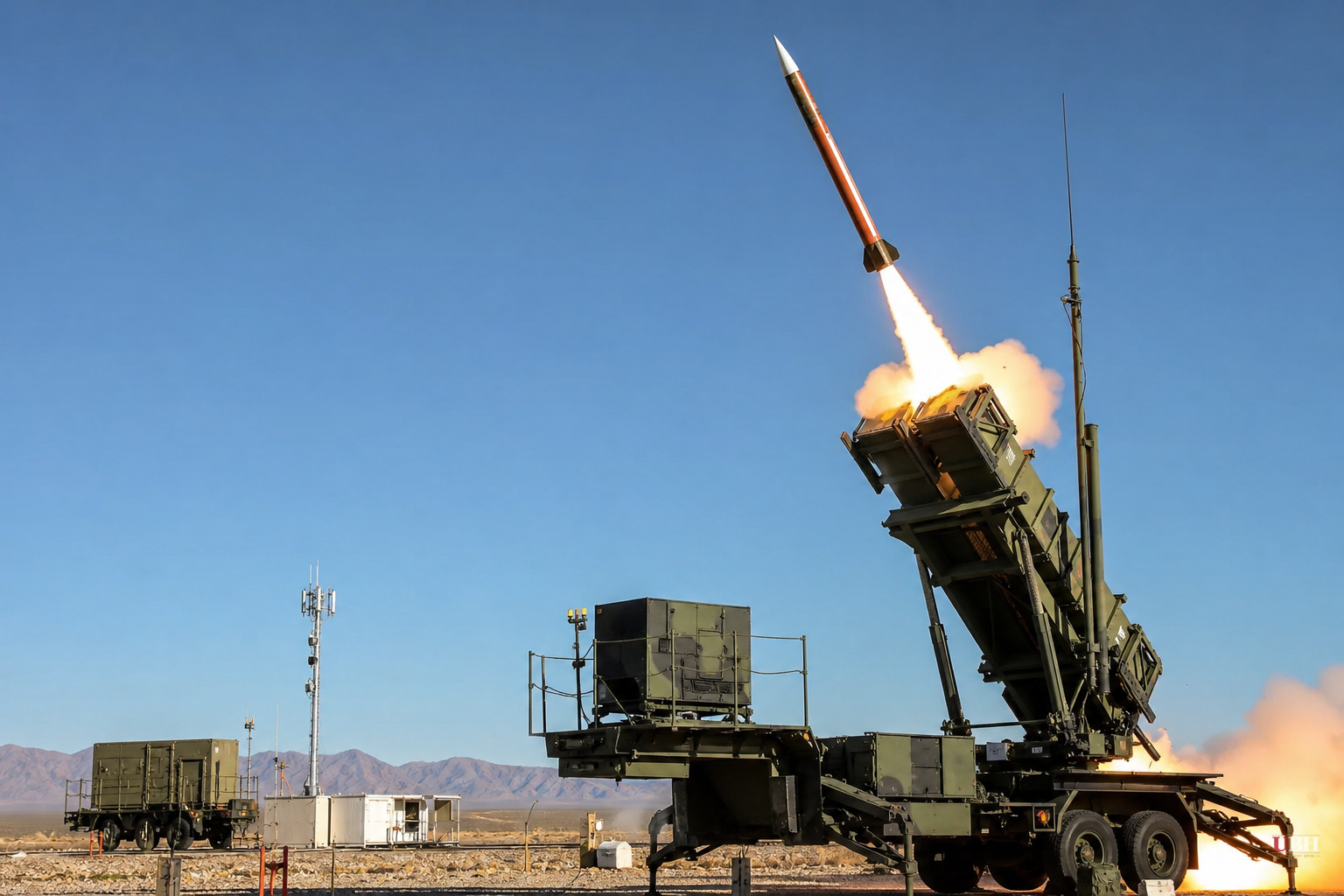
Iran fired a barrage of ballistic missiles at American military installations in the Middle East, targeting a U.S. base in Jordan among other sites, according to reporting relayed through the Daily Journal citing U.S. Central Command (Centcom). Patriot air defense systems intercepted the projectiles, the command said, preventing serious damage to American troops or equipment.
President Trump called the attack unacceptable and promised a major military response. In a phone interview with Fox News chief foreign affairs correspondent Trey Yingst conducted hours after the strike, Trump described himself as furious and said Iran would face what he characterized as a severe beating in return. He did not detail specific targets or a timeline for U.S. action.
The missile attack was not an isolated event. A U.S.-flagged tanker was struck by a drone near the port of Damietta in Egypt, according to the Daily Journal's account. Separately, American forces coordinated with Saudi Arabia to bomb logistics hubs used by Iran-backed militias in Iraq. The three incidents point to a rapid, multi-front deterioration in regional security rather than a single provocation.
U.S. military commanders have reportedly presented Trump with a strategic plan for concentrated combat operations over the next 15 days aimed at containing the Iranian offensive, according to the Daily Journal. No details on force levels, specific targets, or congressional notification have been made public in connection with that plan.
Oil prices rose immediately on international markets as tensions in the Red Sea escalated and shipping routes came under direct threat, the report said. Rising insurance costs and rerouted tanker traffic are the typical first-order effects when Gulf shipping lanes are threatened, though no specific price figures were included in the available reporting.
Centcom's own account establishes that Iran launched ballistic missiles at a U.S. installation in Jordan and that Patriot systems intercepted them. That is a concrete, attributable event from the U.S. military's own combatant command.
What remains less clear from available reporting is the precise scale of the missile barrage, whether any interceptions failed, and the exact chain connecting the tanker drone strike near Damietta to Iran directly versus an Iran-aligned proxy. The Daily Journal's account does not specify who launched the drone that hit the tanker, only that it happened amid the broader escalation. That gap matters because attributing a drone strike to Tehran versus a loosely affiliated militia carries very different escalation implications. U.S. officials have historically drawn that distinction carefully before authorizing retaliation.
Anyone worried about rushing into a wider war has a legitimate concern. Multiple flashpoints erupting within the same news cycle—missiles, a tanker drone strike, Iraq bombings—can create pressure for an immediate, large-scale response before all the facts on attribution and damage are confirmed. Past U.S.-Iran flare-ups have shown that initial reports of casualties, damage, and responsibility often get revised in the following days. A demand for a measured, verified response before committing to 15 days of combat operations is reasonable.
At the same time, a nuclear-adjacent regional power firing ballistic missiles directly at American troops is the kind of act that predictably draws a forceful reply regardless of party in the White House. Trump's public vow to Fox News that Iran would face serious consequences reflects a posture consistent with how prior administrations, Republican and Democrat, have responded to direct attacks on U.S. forces.
The Pentagon is reportedly monitoring munitions stockpiles and troop readiness as it weighs the combat plan presented to Trump, according to the Daily Journal. No formal congressional authorization, war powers notification, or public target list has been announced as of this writing. Whether Washington moves toward a contained retaliatory strike or a broader, extended campaign over the proposed 15-day window is the open question hanging over global oil markets and regional governments from Amman to Riyadh right now.
Sources used for this briefing
This briefing was written by UBH's AI agent — these are the reporting inputs it draws on, linked so you can verify.


