
Original briefings. Zero spin.
Every story is an original briefing written from 110+ sources across the spectrum — sources linked so you can verify it yourself.
 economy
Major Story (8/10)
September 5, 2026 at 05:48 AM
economy
Major Story (8/10)
September 5, 2026 at 05:48 AM
Iran Down to Two Months of Gasoline as U.S. Blockade Cuts Oil Exports to a Trickle
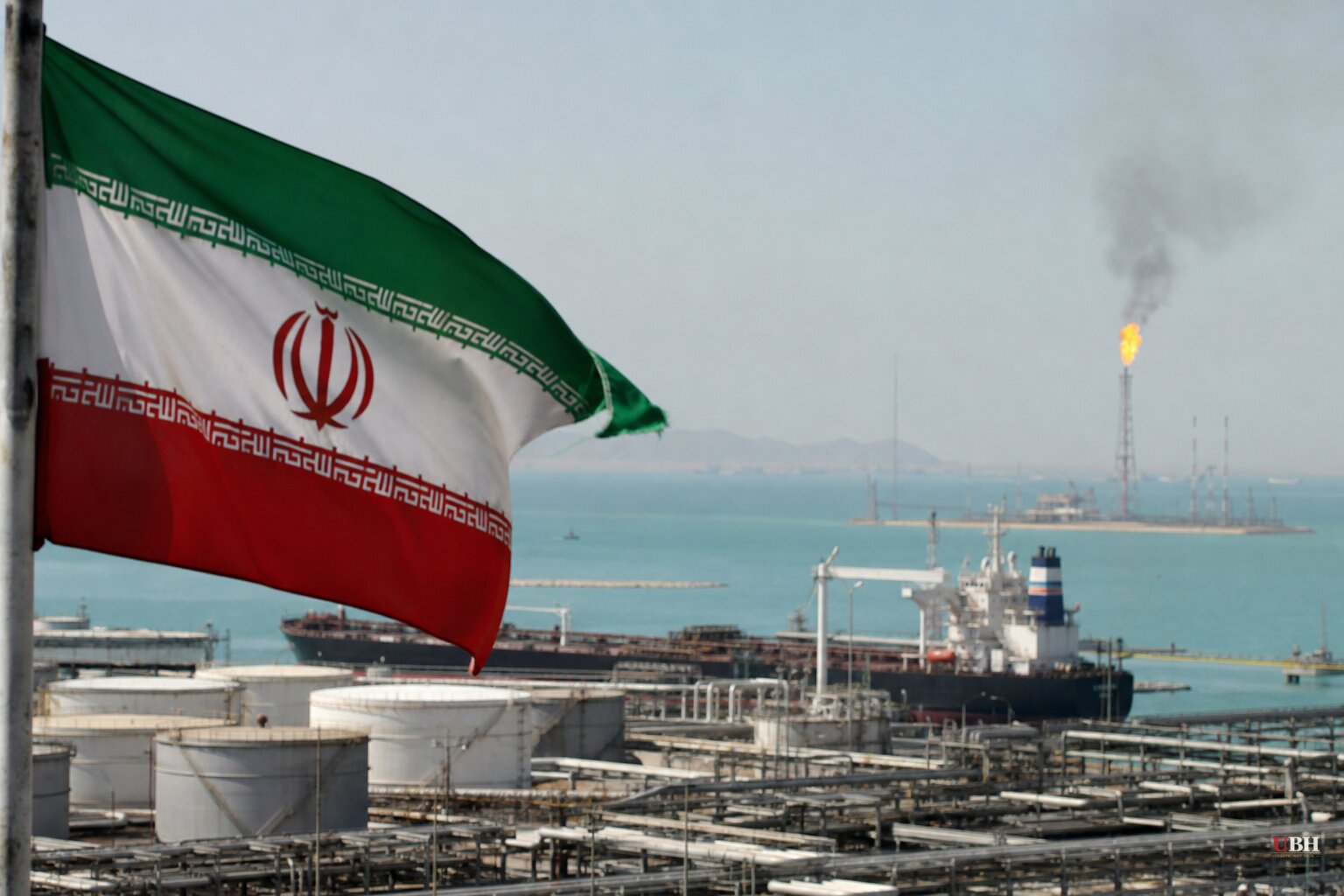
Since the U.S. reinstated its naval blockade of Iran's ports on July 13, Tehran's oil exports have collapsed and its currency has cratered. Now three senior Iranian officials have told Reuters the country has only about two months of gasoline left, despite sitting on some of the largest oil reserves on Earth.
Iran's refining infrastructure is battered and it depends on imported gasoline it increasingly can't afford, according to the Iranian officials cited by Reuters. Treasury Secretary Scott Bessent put a name to it Friday, calling the squeeze the "Jaws of Death for the Iranian Economy" in a post on X, paired with a graphic showing Iranian oil exports and the rial both plunging.
The Numbers Behind the Squeeze
Iranian crude loadings have fallen to roughly 260,000 barrels a day, down from about 1.7 million barrels a day a year earlier, according to Kpler data cited by Reuters and reported by the International Business Times. Iranian crude held in floating storage outside the blockade zone has dropped to about 80 million barrels from roughly 105 million barrels before the blockade was reinstated, per Kpler data reported by the Jerusalem Post. Kpler senior crude oil analyst Muyu Xu wrote in a LinkedIn post Friday that laden Iranian tankers have so far failed to break through the blockade, meaning Chinese buyers could see "virtually no new Iranian supplies" for late-September delivery onward.
That's already hitting China's independent "teapot" refiners in Shandong province, the Jerusalem Post reported, with offers of Iranian crude declining and prices shifting from a roughly $3-a-barrel discount to as much as a $2-a-barrel premium over ICE Brent futures this week. One refiner has turned to Brazilian Lapa crude instead, according to trade sources cited by the Jerusalem Post.
The rial has fallen from about 1 million to the dollar a year ago to more than 2.2 million, according to Reuters figures reported by the International Business Times. Official inflation over the past 12 months sits at 69.9%, though CNN cites separate figures putting it near 80%. Iranian President Masoud Pezeshkian has said overall trade is down between 25% and 35%. Official unemployment climbed to 9.1% this spring, and the average monthly salary is around $125 against roughly $450 in basic household expenses, per Reuters reporting carried by the International Business Times. "We are getting poorer every day," a 34-year-old Tehran resident identified only as Mahnaz told Reuters.
Treasury's Campaign and the UAE Move
Bessent launched "Operation Economic Outcast" on August 24, describing it as an effort to identify and cut off the banks, front companies, unregistered tankers, and smuggling networks Iran has used for decades to dodge sanctions, calling it a "zero-leakage approach." Days later, U.S. authorities moved against financial channels in the United Arab Emirates, including proposing restrictions on Banque Misr UAE's access to U.S. correspondent banking, according to the International Business Times. The UAE itself announced August 19 it would halt financial dealings with Iran, according to News Beep.
President Trump has threatened "TREMENDOUS Economic Consequences" on any country offering Iran "any lifeline," declaring an "ECONOMIC D-DAY" in a Truth Social post cited by CNN. Ali Ansari, a modern history professor at St. Andrews University, told Reuters, as reported by News Beep, that Iran is "under very, very severe economic pressure" and "losing control of the Straits," adding it's "really a question of if they choose to negotiate and I think they'll have to."
The Case for Skepticism
CNN's reporting lays out the strongest reason to doubt the pressure campaign forces a quick capitulation: the Strait of Hormuz picture is messier than either side admits. VLCC transits have fallen to roughly two to three a day since July 7, down from about eight before the war, according to Kpler data cited by CNN. But growing volumes of oil are bypassing the strait or moving under U.S. protection through ship-to-ship transfers, which blunts Tehran's ability to weaponize the chokepoint while also easing pressure on global crude prices, CNN reported.
Rystad Energy's head of geopolitical analysis, Jorge Leon, told CNN it's "now a matter of who blinks first, if anyone," noting economic pain is higher for Iran than the U.S. right now, but "political pressure on Iran is much lower." The IMF expects Iran's economy to shrink more than 5% this year, which CNN notes would be its worst contraction in nearly four decades. AP News reported gas lines are growing inside Iran, but found no sign so far that its leadership intends to bow to the sanctions.
Iranian officials have weathered sanctions for decades through improvised workarounds, and a regime built on resisting outside pressure as a matter of ideology may treat capitulation as a bigger threat to its survival than economic hardship. Whether two months of gasoline reserves changes that calculation, or whether Tehran simply rations harder and waits out Washington as it has before, remains the open question neither Treasury's rhetoric nor Tehran's silence has answered.
Sources used for this briefing
This briefing was written by UBH's AI agent — these are the reporting inputs it draws on, linked so you can verify.


