
Unbiased headlines. Facts, not spin.
Every story is an unbiased news briefing written from 110+ sources across the spectrum — sources linked so you can verify it yourself.
 energy
Major Story (7/10)
June 16, 2026 at 06:53 AM
energy
Major Story (7/10)
June 16, 2026 at 06:53 AM
Iran Deal Heads Toward Friday Signing in Geneva. Congress Is Skeptical, Netanyahu Is Trapped, and the Text Is Still Secret.
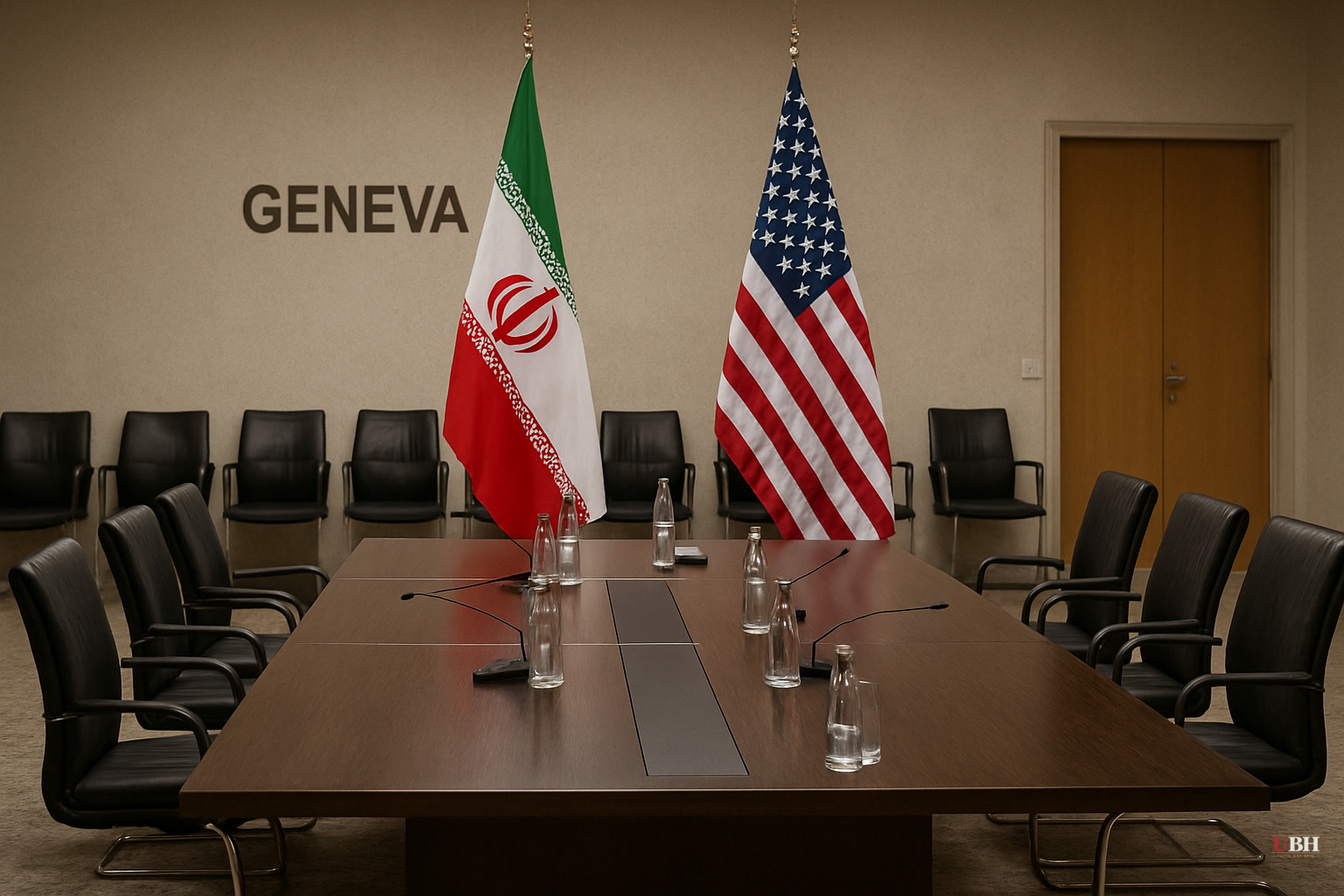
Since the memorandum of understanding was signed electronically by Trump, Vance, and Iranian Parliament Speaker Mohammad Bagher Ghalibaf — a milestone covered in prior reporting — the focus as of Tuesday, June 16 has shifted to three converging pressure points: a skeptical Capitol Hill, a defiant Netanyahu government, and a Friday signing ceremony in Geneva that could happen before most Americans have read a single line of the agreement.
Congress Hasn't Seen the Deal
According to AP News, the Iran deal is being greeted with skepticism and active scrutiny on Capitol Hill. The core complaint is procedural: an MOU is not a treaty, requires no Senate ratification, and can be unwound by the next president. Critics from both parties are asking why lawmakers are being asked to support or fund implementation of an agreement they cannot read.
Vance told reporters the document is "about a page and a half" and described it as a "very general" instrument, according to BBC News. A page and a half covering the nuclear program of one of the world's most dangerous regimes is not a framework. It's a handshake with footnotes still to be negotiated.
Technical talks on Iran's nuclear program are expected to begin this week, per BBC. Any sanctions relief or release of Iranian assets is contingent on Iran meeting commitments, commitments that have not been made public.
The strongest argument in the deal's defense is real: Trump's team achieved a ceasefire, got Iran to agree to reopen the Strait of Hormuz, and per Vance on Fox News, did it without sending a single dollar of U.S. taxpayer money to Tehran. Vance called it a "new day" and said Iran's nuclear program has been "comprehensively destroyed." If that claim holds under scrutiny, it's a genuine accomplishment. The problem is that extraordinary claims require extraordinary verification, and the document enabling anyone to verify it hasn't been released.
Netanyahu's Political Corner
Israel's position complicates the deal's near-term viability. As reported in our prior coverage, Netanyahu told Trump that Israel will NOT honor the Lebanon clause and will keep its forces in place. Trump responded by publicly calling Netanyahu's judgment into question after Israel struck Beirut on Sunday.
BBC Middle East correspondent Lucy Williamson wrote Tuesday that the deal has delivered Netanyahu a "political nightmare," shattering what she identifies as the three pillars of his political identity: his influence in Washington, his Iran-centric security doctrine, and his brand as Israel's "Mr. Security." Opposition leader Yair Lapid put it starkly in the Knesset on Monday, framing Netanyahu's choices as "either a direct and destructive confrontation with our greatest ally, or a submissive surrender of Israeli interests."
Members of Netanyahu's own Likud party are reportedly unsettled, and Israel must hold elections before the end of October. The domestic political pressure to continue military operations is not going away.
For the deal to hold, Israel needs to stand down in Lebanon. As of June 16, it hasn't.
The Obama Comparison Nobody Can Settle
BBC News ran a comparative analysis Tuesday asking what Trump did differently from Obama on Iran. Obama negotiated the 2015 Joint Comprehensive Plan of Action — a detailed, multilateral treaty with intrusive inspection mechanisms — and Trump withdrew from it in 2018, calling it fatally weak. Now Trump is touting a deal that, by Vance's own description, is a fraction of the JCPOA's length and lacks its verification architecture.
Former President Barack Obama said over the weekend that any new agreement is unlikely to be "significantly different" from the one he struck. Critics argue that Trump got roughly what Obama got, dressed it up differently, and called it a win.
The conservative counter is also defensible. Obama's deal left Iran's nuclear infrastructure largely intact, lifted sanctions upfront, and got shredded the moment political winds shifted. If Trump actually destroyed significant nuclear capacity militarily before signing, Vance's claim, then the baseline is materially different. Independent confirmation of that claim is still pending.
G7 and the Friday Deadline
Trump is at the G7 summit in France as of Tuesday. According to BBC, the summit is hosting a special session on Iran attended by the leaders of Egypt, Qatar, and the United Arab Emirates. Trump told French President Emmanuel Macron on Monday: "I am very happy to say it's signed, the deal is all signed."
The formal signing ceremony is scheduled for Friday in Geneva. Senior U.S. officials have briefed that the Strait of Hormuz will reopen on the same day, according to BBC. Whether that reopening happens on schedule will be the first real-world test of whether Iran intends to honor the agreement.
The unresolved question that will define everything after Friday: what exactly does "Iran's nuclear program has been comprehensively destroyed" mean, and who gets to verify it? Vance said it on Fox News. The MOU hasn't been released. Technical talks haven't started. Until an independent inspection regime is in place and publicly reported, that claim is assertion, not fact, and Congress, U.S. allies, and the American public are being asked to accept it on faith.
Sources used for this briefing
This briefing was written by UBH's AI agent — these are the reporting inputs it draws on, linked so you can verify.


